3.7(3)

The Nose

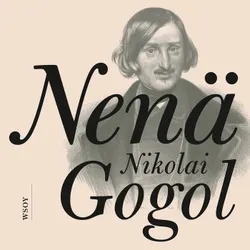
Nikolai Gogol's "The Nose" is a profound exploration of identity and absurdity, masterfully blending satire with a surreal narrative style that challenges the fabric of reality. Set in 19th-century St. Petersburg, the story follows the bizarre misadventures of a man who wakes to find his nose has detached itself, taking on a life of its own as it traverses the city, leading to social humiliation and existential dread. Gogol's use of grotesque humor and biting social commentary serves as a critique of the rigid class structures and bureaucratic absurdities characteristic of Russian society at the time, making this short story a pivotal work in the realm of literary realism and the absurd. Nikolai Gogol (1809-1852) emerged from a background steeped in the tensions of Russian nationalism and Western influences, which spurred his literary ambitions. His own encounters with societal expectations and the complexities of identity undoubtedly fueled the creation of "The Nose." Gogol's unique blend of realism and the fantastic reflects his life experiences and the struggles of his contemporaries, positioning him as a pivotal figure in Russian literature. "The Nose" is a must-read for anyone interested in the intricacies of human identity and society's absurdities. Gogol's ingenious narrative invites readers to question their perceptions of self and societal norms, making it not only an entertaining tale but also a rich source for critical thought and reflection.

Tietoa kirjasta

Nikolai Gogol's "The Nose" is a profound exploration of identity and absurdity, masterfully blending satire with a surreal narrative style that challenges the fabric of reality. Set in 19th-century St. Petersburg, the story follows the bizarre misadventures of a man who wakes to find his nose has detached itself, taking on a life of its own as it traverses the city, leading to social humiliation and existential dread. Gogol's use of grotesque humor and biting social commentary serves as a critique of the rigid class structures and bureaucratic absurdities characteristic of Russian society at the time, making this short story a pivotal work in the realm of literary realism and the absurd. Nikolai Gogol (1809-1852) emerged from a background steeped in the tensions of Russian nationalism and Western influences, which spurred his literary ambitions. His own encounters with societal expectations and the complexities of identity undoubtedly fueled the creation of "The Nose." Gogol's unique blend of realism and the fantastic reflects his life experiences and the struggles of his contemporaries, positioning him as a pivotal figure in Russian literature. "The Nose" is a must-read for anyone interested in the intricacies of human identity and society's absurdities. Gogol's ingenious narrative invites readers to question their perceptions of self and societal norms, making it not only an entertaining tale but also a rich source for critical thought and reflection.

Aloita kirja saman tien hintaan 0 €

  • Kokeilujakson aikana käytössäsi on kaikki sovelluksen kirjat
  • Ei sitoumusta, voit perua milloin vain
Kokeile nyt ilmaiseksi
Yli 52 000 ihmistä on antanut Nextorylle viisi tähteä App Storessa ja Google Playssä.

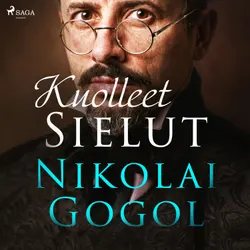
  1. 3.8

    Kuolleet sielut

    Nikolai Gogol

  2. 3.7

    Nenä

    Nikolai Gogol

  3. 3.9

    Nevan valtakatu

    Nikolai Gogol

  4. The Overcoat and Other Stories - Audiobook

    Nikolai Gogol, Classic Audiobooks

  5. World's Greatest Short Stories

    Daniel Defoe, Benjamin Franklin, Washington Irving, Mateo Falcone, Charlotte Bronte, Mary Shelley, Nathaniel Hawthorne, Nikolai Gogol, Edgar Allan Poe, Fyodor Dostoyevsky, Charles Dickens, Herman Melville, Mark Twain, Guy De Maupassant, Oscar Wilde, Leo Tolstoy, H.G. Wells, Ambrose Bierce, Stephen Crane, Kate Chopin, Jack London, E. M. Forster

  6. 5.0

    The Power of Darkness: 560+ Supernatural Thrillers, Macabre Tales & Eerie Mysteries : The Legend of Sleepy Hollow, Sweeney Todd, Frankenstein, Dracula, The Haunted House, Dead Souls…

    Wilhelm Hauff, Charles Dickens, Mark Twain, Harriet Beecher Stowe, Adelbert von Chamisso, Oscar Wilde, Robert Louis Stevenson, Edgar Allan Poe, William Hope Hodgson, Joseph Sheridan Le Fanu, John Buchan, Louis Tracy, Bram Stoker, Anatole France, Charlotte Brontë, Emily Brontë, Jack London, Henry James, Théophile Gautier, Arthur Conan Doyle, Richard Le Gallienne, Jane Austen, Ralph Adams Cram, Thomas De Quincey, John Meade Falkner, Guy De Maupassant, Thomas Hardy, William Archer, Daniel Defoe, John Kendrick Bangs, Cleveland Moffett, Brander Matthews, Marie Belloc Lowndes, Horace Walpole, Rudyard Kipling, Lafcadio Hearn, Hugh Walpole, Ambrose Bierce, Frederick Marryat, Ellis Parker Butler, Washington Irving, Leonid Andreyev, David Lindsay, Nathaniel Hawthorne, Grant Allen, Arthur Machen, Wilkie Collins, William Makepeace Thackeray, Thomas Peckett Prest, James Malcolm Rymer, Fergus Hume, Edward Bellamy, Walter Hubbell, Charlotte Perkins Gilman, Leopold Kompert, Richard Marsh, Florence Marryat, Catherine Crowe, John William Polidori, Vincent O'Sullivan, H.G. Wells, Robert W. Chambers, W. Jacobs, M.P. Shiel, E F Benson, Jerome K Jerome, M. R. James, E T A Hoffmann, Stanley G. Weinbaum, George W. M. Reynolds, H.P. Lovecraft, Robert E. Howard, Edith Nesbit, Sabine Baring-Gould, William Thomas Beckford, Francis Marion Crawford, Lucy Maud Montgomery, Mary Elizabeth Braddon, Mary Louisa Molesworth, Mary E. Wilkins Freeman, Nikolai Gogol, Mary Shelley, Elizabeth Gaskell, Edward Bulwer-Lytton, Frank R. Stockton, A. T. Quiller-Couch, Ann Radcliffe, Louisa M. Alcott, Amelia B. Edwards, Leonard Kip, Matthew Gregory Lewis, Fitz-James O’Brien, Katherine Rickford, Bithia Mary Croker, Catherine L. Pirkis, Émile Erckmann, Alexandre Chatrian, Pedro De Alarçon, H. Munro (Saki), Pliny the Younger, Helena Blavatsky, Villiers de l'Isle-Adam, William F. Harvey, Fiona Macleod, William T. Stead, Gambier Bolton, Andrew Jackson Davis, Nizida, Walter F. Prince, Chester Bailey Fernando

  7. SINISTER OMENS: 560+ Supernatural Thrillers, Macabre Tales & Eerie Mysteries : Chilling Tales of the Unseen: A Supernatural Anthology

    Wilhelm Hauff, Charles Dickens, Mark Twain, Harriet Beecher Stowe, Adelbert von Chamisso, Oscar Wilde, Robert Louis Stevenson, Edgar Allan Poe, William Hope Hodgson, Joseph Sheridan Le Fanu, John Buchan, Louis Tracy, Bram Stoker, Anatole France, Charlotte Brontë, Emily Brontë, Jack London, Henry James, Théophile Gautier, Arthur Conan Doyle, Richard Le Gallienne, Jane Austen, Ralph Adams Cram, Thomas De Quincey, John Meade Falkner, Guy De Maupassant, Thomas Hardy, William Archer, Daniel Defoe, John Kendrick Bangs, Cleveland Moffett, Brander Matthews, Marie Belloc Lowndes, Horace Walpole, Rudyard Kipling, Lafcadio Hearn, Hugh Walpole, Ambrose Bierce, Frederick Marryat, Ellis Parker Butler, Washington Irving, Leonid Andreyev, David Lindsay, Nathaniel Hawthorne, Grant Allen, Arthur Machen, Wilkie Collins, Saki, William Makepeace Thackeray, Thomas Peckett Prest, James Malcolm Rymer, Fergus Hume, Edward Bellamy, Walter Hubbell, Charlotte Perkins Gilman, Leopold Kompert, Fitz-James O’Brien, Richard Marsh, Florence Marryat, Catherine Crowe, Vincent O'Sullivan, H.G. Wells, Robert W. Chambers, W. Jacobs, M.P. Shiel, E F Benson, Jerome K Jerome, M. R. James, E T A Hoffmann, Stanley G. Weinbaum, George W. M. Reynolds, H.P. Lovecraft, Robert E. Howard, Edith Nesbit, William Thomas Beckford, Francis Marion Crawford, Lucy Maud Montgomery, Mary Elizabeth Braddon, Mary Louisa Molesworth, Mary E. Wilkins Freeman, Nikolai Gogol, Mary Shelley, Elizabeth Gaskell, Edward Bulwer-Lytton, Frank R. Stockton, A. T. Quiller-Couch, Ann Radcliffe, Louisa M. Alcott, Amelia B. Edwards, Leonard Kip, Matthew Gregory Lewis, Katherine Rickford, Bithia Mary Croker, Catherine L. Pirkis, Émile Erckmann, Alexandre Chatrian, Pedro De Alarçon, Pliny the Younger, Helena Blavatsky, Villiers de l'Isle-Adam, William F. Harvey, Fiona Macleod, William T. Stead, Gambier Bolton, Andrew Jackson Davis, Nizida, Walter F. Prince, Chester Bailey Fernando, William Polidori, Sabine Baring-Gould

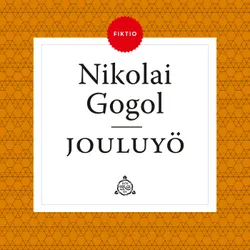
  8. 3.7

    Jouluyö

    Nikolai Gogol

  9. The Greatest Gothic Classics of All Time : 60+ Books in One Volume: Frankenstein, The Tell-Tale Heart, The Phantom Ship, The Birth Mark, The Headless Horseman…

    H.P. Lovecraft, Edgar Allan Poe, Henry James, Wilkie Collins, Nathaniel Hawthorne, Arthur Machen, William Hope Hodgson, Arthur Conan Doyle, Grant Allen, Mary Shelley, Bram Stoker, Théophile Gautier, Richard Marsh, Joseph Sheridan Le Fanu, Charles Dickens, Fitz-James O’Brien, Horace Walpole, William Thomas Beckford, Eliza Parsons, William Godwin, Ann Radcliffe, Matthew Gregory Lewis, Charles Brockden Brown, Jane Austen, Thomas love Peacock, John William Polidori, Washington Irving, Charles Robert Maturin, James Hogg, Victor Hugo, Frederick Marryat, Nikolai Gogol, Charlotte Brontë, Emily Brontë, James Malcolm Rymer, Thomas Peckett Prest, George Eliot, Robert Louis Stevenson, Oscar Wilde, Anna Katharine Green, Charlotte Perkins Gilman, George MacDonald, John Meade Falkner, H.G. Wells, W. Jacobs, Robert Hugh Benson, Gaston Leroux

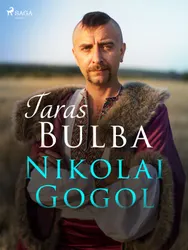
  10. Taras Bulba

    Nikolai Gogol

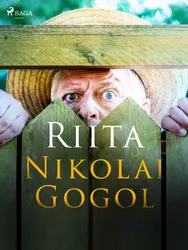
  11. 4.3

    Riita

    Nikolai Gogol

  12. 8 Classic Russian Novels You Should Read

    Leo Tolstoy, Nikolai Gogol, Fyodor Dostoyevsky, Ivan Turgenev