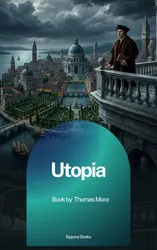
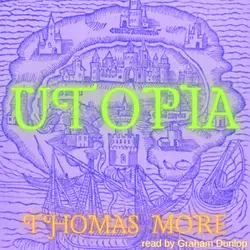
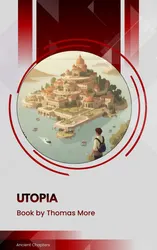
A traveler returns from a distant island with an account of a society without private property, without poverty, and — most provocatively — without the corruptions of 16th-century Europe. Thomas More's 1516 satire coined the very word "utopia," and its layered irony has kept readers arguing for five centuries: is this an ideal to strive for, or a pointed critique dressed up as one? Blending political philosophy, social satire, and travelers'-tale adventure, Utopia remains the foundational text of an entire genre — and one of the most quietly subversive books of the Renaissance.