À propos de ce livre

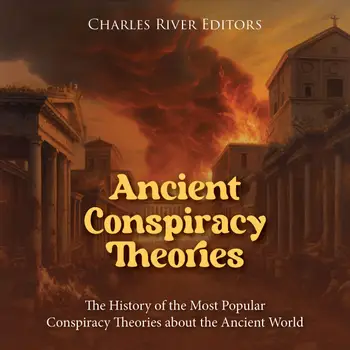
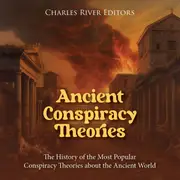
For decades, parodies featuring ominous, mysterious cults have been a favorite gag in pop culture. These fraternal brothers are often depicted in some type of underground lair, dressed in extravagant ceremonial robes with their faces hidden in their hoods, seated around a long table brimming with Gothic chalices, skulls, and glittering dark treasure. Like all art, creativity is sparked by a source of inspiration, and the inspiration for scenes like those have for centuries come from conspiracy theories, which often have profound impact regardless of their veracity. Indeed, conspiracy theories are nothing new: when the Great Fire of Rome occurred in 64 CE, Suetonius and Cassius Dio, two of Nero’s ancient biographers, were adamant that it was the emperor himself who set the fire (or ordered it set), and they are the originators of the myth that Nero played the lyre, danced around his palace, and sang “The Sack of Troy” while Rome burned outside his windows.

Perhaps it should also not be surprising that the themes found in contemporary conspiracy theories are often echoed in ancient conspiracy theories. While some people still insist that Lyndon B. Johnson was in on John F. Kennedy’s assassination, it was speculated across the ancient world that the young Macedonian king, Alexander the Great, conspired to have his own father, Philip II of Macedon, assassinated. Likewise, the New Age beliefs that Mesoamerican ruins in Mexico were somehow tied to extraterrestrials find common cause with people who believe the ancient Indus Valley site at Mohenjo-daro was destroyed by a nuclear weapon. And through it all, the lack of surviving documentary evidence about much of antiquity has allowed for all of the unknowns to become highly speculative sources of debate. For example, did Caesar’s men burn the Library of Alexandria in the 1st century BCE, or was it destroyed later, if at all?
Commencez ce livre dès aujourd'hui pour 0 €

  • Accédez à tous les livres de l'app pendant la période d'essai
  • Sans engagement, annulez à tout moment
Essayer gratuitement
Plus de 52 000 personnes ont noté Nextory 5 étoiles sur l'App Store et Google Play.

  1. Women in Ancient Egypt: The History of the Lives and Social Roles of Egyptian Women

    Charles River Editors

  2. 4.3

    The Life and Trial of Lizzie Borden : The History of 19th Century America's Most Famous Murder Case

    Charles River Editors

  3. The 332nd Fighter Group: The History of the Tuskegee Airmen’s Fighter Unit during World War II

    Charles River Editors

  4. 4.0

    The Roma: The History of the Romani People and the Controversial Persecutions of Them across Europe

    Charles River Editors

  5. Douglas Bader: The Life and Legacy of One of the Royal Air Force’s Most Famous Fighter Aces

    Charles River Editors

  6. 4.0

    Medieval England: The History of England from the Fall of Rome to the Rise of the Tudor Dynasty

    Charles River Editors

  7. 4.4

    South Africa: The History and Legacy of the Nation from European Colonization to the End of the Apartheid Era

    Charles River Editors

  8. The Making of Modern China: The History of the World’s Most Populous Country from the Qing Dynasty to Today

    Charles River Editors

  9. The Osage Indian Murders: The History of the Notorious Killing Spree and the Federal Investigations in the Early 20th Century

    Charles River Editors

  10. 4.3

    Project MK-Ultra: The History of the CIA’s Controversial Human Experimentation Program

    Charles River Editors

  11. The Pacific Theater in 1944: The History of the Decisive Campaigns that Contributed to the Allies’ Victory over Japan

    Charles River Editors

  12. 3.5

    The Portuguese Empire and Africa: The History and Legacy of Portugal’s Exploration and Colonization of the West African Coast

    Charles River Editors