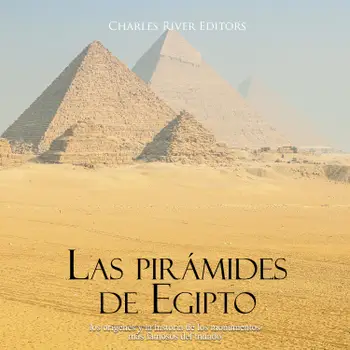
Las pirámides de Egipto: los orígenes y la historia de los monumentos más famosos del mundo

“Cuando encontramos algo nuevo en Guiza, lo anunciamos al mundo. La Esfinge y las pirámides son tesoros mundiales. Nosotros somos los guardianes de esos tesoros, pero pertenecen al mundo”. – Zahi Hawass, Egiptólogo

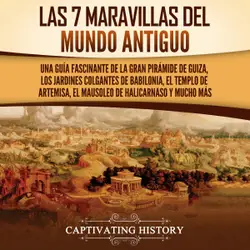
Las pirámides de Egipto son símbolos tan reconocibles de la Antigüedad, que durante milenios la gente ha hecho conjeturas sobre lo que son y por qué existen, sin considerar completamente los diversos significados que estas antiguas estructuras simbólicas han tenido a lo largo de los siglos. Las generaciones las han visto como símbolos de un pasado perdido, que a su vez es representado a menudo como un mundo lleno de romance y misterio. Este significado verbal se ha asociado con las estructuras mediante la industria del turismo, donde la intriga obviamente aumenta las ventas de boletos. De hecho, las pirámides egipcias son tan antiguas que también atraían turistas incluso en la Antigüedad. En ese periodo, la gran pirámide de Guiza figuraba como una de las siete maravillas del mundo antiguo, y es la única que todavía está en pie.

La edad y la integridad estructural de las pirámides también las hacen símbolos de longevidad y poder, lo cual es apropiado, pues esos son dos propósitos que los faraones antiguos que comisionaron dichas obras tenían la intención de que sirvieran. Para los faraones, la construcción de estos grandes monumentos les presentaba una oportunidad para mostrar su influencia y convertirse en algo por lo qué ser recordados, tanto en la sociedad que gobernaban como en los anales de la historia que seguirían. Incluso cuando nuevas dinastías surgieron y cayeron, e incluso mientras Egipto estuvo sometido a la dominación extranjera y gobernantes de todo el mundo, las pirámides han seguido siendo un testimonio prominente del pasado glorioso del Antiguo Egipto.

Este libro cubre exhaustivamente los orígenes, historia, misterios y teorías en torno a estos antiguos monumentos.

Commencez ce livre dès aujourd'hui pour 0 €

  • Accédez à tous les livres de l'app pendant la période d'essai
  • Sans engagement, annulez à tout moment
Essayer gratuitement
Plus de 52 000 personnes ont noté Nextory 5 étoiles sur l'App Store et Google Play.

  1. The Christianization of Rome: The History of the Roman Empire’s Religious Conversion

    Charles River Editors

  2. 4.3

    Scipio Africanus: The Life and Legacy of the Roman General Who Defeated Hannibal during the Second Punic War

    Charles River Editors

  3. Sulla and Gaius Marius: The Lives and Legacies of the Leaders Who Fought Rome’s First Civil War

    Charles River Editors

  4. The Persian Wars and the Punic Wars: The History of the Ancient Greek and Roman Victories that Preserved Western Civilization

    Charles River Editors

  5. Rome’s Best Emperors: The History and Legacy of the Roman Empire’s Most Able Leaders

    Charles River Editors

  6. The Start of the Byzantine Empire: The History of the Eastern Roman Empire’s Establishment as Rome Declined

    Charles River Editors

  7. The Mosque-Cathedral of Córdoba and Mosque of Cristo de la Luz: The History the Moors’ Most Famous Mosques in Spain

    Charles River Editors

  8. World War II in 1942: The History of the Year the Allies Turned the Tide Against the Axis

    Charles River Editors

  9. The Medieval Invasions of Italy: The History and Legacy of the Conflicts across the Italian Peninsula in the Middle Ages

    Charles River Editors

  10. Ancient Egyptian Language and Writing: The History and Legacy of Hieroglyphs and Scripts in Ancient Egypt

    Charles River Editors

  11. 4.0

    The Empires of India: The History of the Dynasties that Ruled India Before the British

    Charles River Editors

  12. The Battle of Cannae and the Battle of Zama: The History and Legacy of the Second Punic War’s Most Important Battles

    Charles River Editors