À propos de ce livre

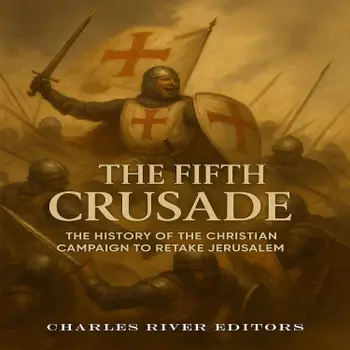
In the 50 years following the First Crusade, the Latin states in the East were consolidated, but there were also growing tensions and new challenges. Against this backdrop, the fall of the County of Edessa in December 1144 at the hands of Zengi, the atabeg of Aleppo and Mosul, was a catastrophic event. Founded in 1098 by the future King Baldwin of Boulogne, Edessa was the first Crusader state, as well as the northernmost, weakest, and least populated. It was constantly exposed to Muslim attacks, and news of its fall reached Europe at the beginning of 1145, and the fall was the catalyst for the Second Crusade. Furthermore, the Crusader States were also concerned about their relationship with the Byzantine Empire, as relations with the Byzantines were often tense. Indeed, efforts to strengthen and then retake parts of the collapsing Crusader States would fuel subsequent Crusades, and the Fourth Crusade notoriously ended with the Crusaders sacking Constantinople instead of proceeding to Jerusalem.

Naturally, the Fifth Crusade was launched as a result of the Fourth Crusade’s failure to retake Jerusalem, and Pope Innocent III’s goal of reclaiming Jerusalem, which had been lost in 1187, remained unchanged.[1] At the same time, there was a truce between the Kingdom of Jerusalem and the Ayyubid Sultan al-‘Adil I, which was due to expire in 1217. The timing seemed favorable for a new initiative, particularly given the strengthening of Christendom in other regions such as Spain, where the victory at Las Navas de Tolosa in 1212 had secured much of the Iberian Peninsula against the Moors. The turning point for the proclamation of the Fifth Crusade was the Fourth Lateran Council in 1215, where Innocent III established a model for future Crusades, providing the enterprise with consistent legal, liturgical, and fiscal provisions.

Commencez ce livre dès aujourd'hui pour 0 €

  • Accédez à tous les livres de l'app pendant la période d'essai
  • Sans engagement, annulez à tout moment
Essayer gratuitement
Plus de 52 000 personnes ont noté Nextory 5 étoiles sur l'App Store et Google Play.

Livres similaires

  1. The First Crusade: The History of the Christian Church’s Initial Campaign in the Holy Land

    Charles River Editors

  2. Peter the Hermit and the People’s Crusade: The Controversial History of the First European Army to Head for Jerusalem

    Charles River Editors

  3. The Rise and Fall of the Crusader States: The History of the Outremer in the Holy Land

    Charles River Editors

  4. The Start of the Crusades: The Origins of the World’s Most Famous Religious Wars

    Charles River Editors

  5. The Battle of Jaffa: The History and Legacy of the Last Battle of the Third Crusade

    Charles River Editors

  6. The Holy Sepulchre: The History of Jerusalem’s Most Famous Church and Its Military Order

    Charles River Editors

  7. The Catholic Church’s Most Influential Religious Military Orders: The Controversial and Mysterious History of the Knights Templar, the Teutonic Knights, and the Order of the Holy Sepulchre

    Charles River Editors

  8. Christianity in the Middle Ages: A Captivating Guide to the Tales of Templars, Trials of Faith, and the Tumult of Crusades

    Captivating History

  9. The Battle for Iberia: The History of the Conflict Between the Moors and Catholics in Medieval Spain

    Charles River Editors

  10. The Ottoman Sieges of Vienna: The History of the Ottoman Empire’s Unsuccessful Attempts to Conquer the Habsburg Capital

    Charles River Editors

  11. The Islamic Invasions of Europe: The History of the Ottoman and Moorish Campaigns across the Continent

    Charles River Editors

  12. The Ottoman Empire’s Worst Defeats: The History and Legacy of the Decisive Battles that Checked the Ottomans’ Expansion into Europe

    Charles River Editors