À propos de ce livre

One of the wildest of these stories related to a Yellow Diamond-a famous gem in the native annals of India.

The earliest known traditions describe the stone as having been set in the forehead of the four-handed Indian god who typifies the Moon. Partly from its peculiar colour, partly from a superstition which represented it as feeling the influence of the deity whom it adorned, and growing and lessening in lustre with the waxing and waning of the moon, it first gained the name by which it continues to be known in India to this day-the name of THE MOONSTONE. A similar superstition was once prevalent, as I have heard, in ancient Greece and Rome; not applying, however (as in India), to a diamond devoted to the service of a god, but to a semi-transparent stone of the inferior order of gems, supposed to be affected by the lunar influences-the moon, in this latter case also, giving the name by which the stone is still known to collectors in our own time.

The adventures of the Yellow Diamond begin with the eleventh century of the Christian era.

At that date, the Mohammedan conqueror, Mahmoud of Ghizni, crossed India; seized on the holy city of Somnauth; and stripped of its treasures the famous temple, which had stood for centuries-the shrine of Hindoo pilgrimage, and the wonder of the Eastern world.

Of all the deities worshipped in the temple, the moon-god alone escaped the rapacity of the conquering Mohammedans. Preserved by three Brahmins, the inviolate deity, bearing the Yellow Diamond in its forehead, was removed by night, and was transported to the second of the sacred cities of India-the city of Benares.

Here, in a new shrine-in a hall inlaid with precious stones, under a roof supported by pillars of gold-the moon-god was set up and worshipped. Here, on the night when the shrine was completed, Vishnu the Preserver appeared to the three Brahmins in a dream.

The deity breathed the breath of his divinity on the Diamond in the forehead of the god. And the Brahmins knelt and hid their faces in their robes. The deity commanded that the Moonstone should be watched, from that time forth, by three priests in turn, night and day, to the end of the generations of men. And the Brahmins heard, and bowed before his will. The deity predicted certain disaster to the presumptuous mortal who laid hands on the sacred gem, and to all of his house and name who received it after him. And the Brahmins caused the prophecy to be written over the gates of the shrine in letters of go

Commencez ce livre dès aujourd'hui pour 0 €

  • Accédez à tous les livres de l'app pendant la période d'essai
  • Sans engagement, annulez à tout moment
Essayer gratuitement
Plus de 52 000 personnes ont noté Nextory 5 étoiles sur l'App Store et Google Play.

Plus de Wilkie Collins

  1. 3.4

    L'Hôtel hanté

    Wilkie Collins

  2. La morte vivante : Ebook premium

    Wilkie Collins

  3. 3.6

    L'Hôtel hanté

    Wilkie Collins

  4. Nouveau

    30 Mystery & Investigation masterpieces

    Ryūnosuke Akutagawa, Gilbert Keith Chesterton, Wilkie Collins, Arthur Conan Doyle, Hanns Heinz Ewers, Hollis Godfrey, Thomas Hardy, William Le Queux, Maurice Leblanc, Gaston Leroux, Catherine Louisa Pirkis, Edgar Allan Poe, Frank R. Stockton, Mark Twain, Jules Verne, Carolyn Wells, Fred Merrick White

  5. L'Ile Tabou

    Wilkie Collins

  6. La Pierre de lune - Livre Audio

    Wilkie Collins, Livres audio en français

  7. Nouveau

    50 Masterpieces you have to read before you die vol: 1

    Louisa May Alcott, Jane Austen, Honoré de Balzac, Henri Barbusse, Anne Brontë, Charlotte Brontë, Emily Brontë, Edgar Rice Burroughs, Samuel Butler, Lewis Carroll, Willa Cather, Miguel de Cervantes, Kate Chopin, John Cleland, Wilkie Collins, Joseph Conrad, Charles Dickens, Fyodor Dostoevsky, Alexandre Dumas, George Eliot, Ralph Waldo Emerson, Gustave Flaubert, E. M. Forster, H. Rider Haggard, Thomas Hardy, Nathaniel Hawthorne, Robert Heinlein, Victor Hugo, Aldous Huxley, Henry James, D. H. Lawrence, H.P. Lovecraft, Herman Melville, John Milton, Robert Musil, Vladimir Nabokov, George Orwell, Edgar Allan Poe, Marcel Proust, William Shakespeare, Mary Shelley, Leo Tolstoy

  8. Nouveau
    4.3

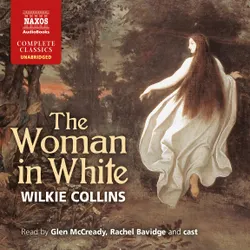
    The Woman in White

    Wilkie Collins

  9. 4.3

    The Woman in White

    Wilkie Collins

  10. Nouveau
    3.0

    50 Masterpieces you have to read before you die vol: 2

    Lewis Carroll, Mark Twain, Jules Verne, Oscar Wilde, Arthur Conan Doyle, Louisa May Alcott, Jane Austen, G.K. Chesterton, Wilkie Collins, Charles Dickens, Fyodor Dostoyevsky, Alexandre Dumas, F. Scott Fitzgerald, E. M. Forster, Thomas Hardy, Hermann Hesse, James Joyce, Jack London, H.P. Lovecraft, Lucy Maud Montgomery, Edgar Allan Poe, Marcel Proust, William Shakespeare, Robert Louis Stevenson, H.G. Wells, Virginia Woolf, Rudyard Kipling, D. H. Lawrence, Thomas Mann, William Somerset Maugham, Herman Melville, George Sand, Mary Shelley, Walter Scott, Leo Tolstoy, Bram Stoker

  11. 50 Masterpieces You Have to Read : Volume One - An Essential Library of World Literature

    Louisa May Alcott, Jane Austen, Honoré de Balzac, Henri Barbusse, Anne Brontë, Charlotte Brontë, Emily Brontë, Edgar Rice Burroughs, Samuel Butler, Lewis Carroll, Willa Cather, Miguel de Cervantes, Kate Chopin, John Cleland, Wilkie Collins, Joseph Conrad, Charles Dickens, Fyodor Dostoevsky, Alexandre Dumas, George Eliot, Ralph Waldo Emerson, Gustave Flaubert, E. M. Forster, H. Rider Haggard, Thomas Hardy, Nathaniel Hawthorne, Robert Heinlein, Victor Hugo, Aldous Huxley, Henry James, D. H. Lawrence, H.P. Lovecraft, Herman Melville, John Milton, Robert Musil, Vladimir Nabokov, George Orwell, Edgar Allan Poe, Marcel Proust, William Shakespeare, Mary Shelley, Leo Tolstoy

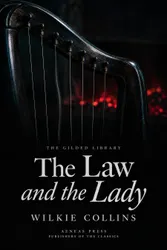
  12. The Law and the Lady : A Story of Detection

    Wilkie Collins