À propos de ce livre

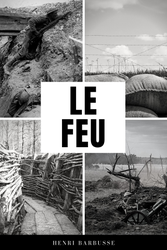
The original translation of one of the first World War I novels—at first criticized for its harsh realism but now celebrated as a classic.

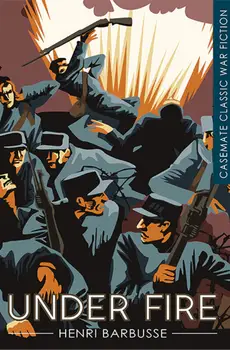
Set in early 1916, Under Fire follows the point of view of an unnamed foot soldier in a squad of French volunteers on the western front. It combines soaring, poetic descriptions with the mundane, messy, human reality of soldiers living in their own filth. Gradually, names and features are given to the men who emerge from the mud, from the dignified leader, Corporal Bertrand, to the ebullient Volpatte and the obsessive Cocon.

Intermingled with details of how the men navigate daily life in the putrefied atmosphere of the trenches is a political, pacifist argument about this war and war more generally. Caught up in events they cannot control, the soldiers go through their daily routines: foraging for food, reading letters from wives and mothers, drinking, fighting in battle, and, in harrowing scenes for which the novel is noted, discovering dead bodies in advanced stages of decomposition. Through it all, they talk about the war, attempting to make sense of the altered world in which they find themselves.

Under Fire (originally published in French as Le Feu) drew criticism at the time of its publication for its brutal detail, but went on to win the Prix Goncourt, a prestigious literary award that Henri Barbusse—a World War I soldier who wrote from vivid, painful experience—shares with renowned authors such as Marcel Proust and Marguerite Duras. Here, the original translation by William Fitzwater Wray, which first appeared in 1917, captures both the intensity of the story and the essence of the era. A glossary is also provided.

Commencez ce livre dès aujourd'hui pour 0 €

  • Accédez à tous les livres de l'app pendant la période d'essai
  • Sans engagement, annulez à tout moment
Essayer gratuitement
Plus de 52 000 personnes ont noté Nextory 5 étoiles sur l'App Store et Google Play.

Plus de Henri Barbusse

  1. 5.0

    Le Feu, journal d'une escouade

    Henri Barbusse

  2. Nouveau

    100 Eternal Masterpieces of Literature [volume 1]

    Charles Dickens, Anne Brontë, Charlotte Brontë, Emily Brontë, Jane Austen, Edgar Rice Burroughs, Lewis Carroll, Miguel de Cervantes, Joseph Conrad, Fyodor Dostoyevsky, Arthur Conan Doyle, Alexandre Dumas, George Eliot, Aldous Huxley, Gustave Flaubert, Victor Hugo, Homer, E. M. Forster, Louisa May Alcott, Honoré de Balzac, Henri Barbusse, Theodore Dreiser, Johann Wolfgang Goethe

  3. 50 Masterpieces you have to read before you die vol: 1

    Louisa May Alcott, Jane Austen, Honoré de Balzac, Henri Barbusse, Anne Brontë, Charlotte Brontë, Emily Brontë, Edgar Rice Burroughs, Samuel Butler, Lewis Carroll, Willa Cather, Miguel de Cervantes, Kate Chopin, John Cleland, Wilkie Collins, Joseph Conrad, Charles Dickens, Fyodor Dostoevsky, Alexandre Dumas, George Eliot, Ralph Waldo Emerson, Gustave Flaubert, E. M. Forster, H. Rider Haggard, Thomas Hardy, Nathaniel Hawthorne, Robert Heinlein, Victor Hugo, Aldous Huxley, Henry James, D. H. Lawrence, H.P. Lovecraft, Herman Melville, John Milton, Robert Musil, Vladimir Nabokov, George Orwell, Edgar Allan Poe, Marcel Proust, William Shakespeare, Mary Shelley, Leo Tolstoy

  4. L'enfer

    Henri Barbusse

  5. Le feu

    Henri Barbusse

  6. Le Feu : Journal d'une Escouade (Premium Ebook)

    Henri Barbusse

  7. L'enfer

    Henri Barbusse

  8. 5.0

    Le Feu

    Henri Barbusse

  9. Le Feu

    Henri Barbusse

  10. J’accuse !

    Henri Barbusse

  11. Le feu

    Henri Barbusse

  12. Nouveau

    50 Masterpieces you have to read before you die vol: 1

    Louisa May Alcott, Jane Austen, Honoré de Balzac, Henri Barbusse, Anne Brontë, Charlotte Brontë, Emily Brontë, Edgar Rice Burroughs, Samuel Butler, Lewis Carroll, Willa Cather, Miguel de Cervantes, Kate Chopin, John Cleland, Wilkie Collins, Joseph Conrad, Charles Dickens, Fyodor Dostoevsky, Alexandre Dumas, George Eliot, Ralph Waldo Emerson, Gustave Flaubert, E. M. Forster, H. Rider Haggard, Thomas Hardy, Nathaniel Hawthorne, Robert Heinlein, Victor Hugo, Aldous Huxley, Henry James, D. H. Lawrence, H.P. Lovecraft, Herman Melville, John Milton, Robert Musil, Vladimir Nabokov, George Orwell, Edgar Allan Poe, Marcel Proust, William Shakespeare, Mary Shelley, Leo Tolstoy