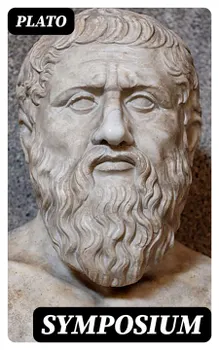
In the renowned work 'Symposium', Plato presents a series of philosophical dialogues centered around the theme of love, known as Eros. Set during a banquet, the text unfolds as various prominent figures, including Socrates, engage in a series of speeches that explore different dimensions of love—from the physical to the divine. This dialogue not only reflects Plato's characteristic blend of rhetorical skill and philosophical inquiry but also situates itself within the context of classical Greek thought, encapsulating the tensions and aspirations of Athenian society in the 4th century BC. The literary style is infused with irony and allegory, challenging readers to ponder the complexities of desire and the nature of beauty itself. Plato, a student of Socrates and a pivotal figure in Western philosophy, sought to understand the essence of human existence and the ideal forms of reality. His philosophical inquiries were deeply influenced by his experiences in the tumultuous political landscape of Athens and the Socratic method of questioning that shaped his intellectual pursuits. These influences are evident in 'Symposium', where he crafts a compelling narrative that invites listeners to reconsider the roles of love and intellect within their lives. 'ymposium' is essential for anyone seeking to delve into the philosophical foundations of Western thought. It presents a rich tapestry of ideas that challenge contemporary notions of love and relationships. The text is not only a cornerstone of philosophical literature but also an enduring masterpiece that resonates with the timeless quest for understanding the human condition.
Kom i gang med denne boken i dag for 0 kr
- Få full tilgang til alle bøkene i appen i prøveperioden
- Ingen forpliktelser, si opp når du vil
Forfatter:
Serie:
World ClassicsSpråk:
engelsk
Format:









Minos : What Is Law? – Plato’s Fragmentary Dialogue on Justice and Political Philosophy
Timaeus : Plato’s Vision of the Cosmos – A Dialogue on Creation, Nature, and the Divine Mind

The Republic

10 Masterpieces You Have to Read Before You Die, Vol.5 : The Odyssey, The Republic, Meditations, The Divine Comedy, Faust and others

25+ The Big Book of Ancient Classics : The Odyssey by Homer, Meditations by Marcus Aurelius, The Republic by Plato, Poetics by Aristotle and others
Yale Classics (Vol. 1) : Enriched edition. A Journey Through Greek Thought and Drama: The Origins of Western Literary Tradition
33 Masterpieces of Philosophy and Science to Read Before You Die (Illustrated) : Utopia, The Meditations, The Art of War, The Kama Sutra, Candide

Plato’s Symposium

Political Science. Classics Collection:

50 Capolavori Da Leggere Prima Di Morire: Vol. 1 (Golden Deer Classics)
Classic Philosophical Works (Thus Spoke Zarathustra, The Apology of Socrates, Tao Te Ching...)
50 Short Story Masterpieces you have to listen before you die (Golden Deer Classics)