Om den här boken

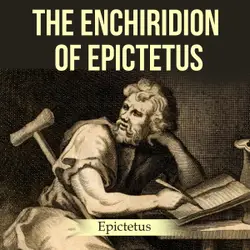
The Discourses of Epictetus Epictetus - The books did not have a formal title in ancient times. Although Simplicius called them Diatribai other writers gave them titles such as Dialexis , and Homiliai . The modern name comes from the titles given in the earliest medieval manuscript: "Arrian's Diatribai of Epictetus" . The Greek word Diatribai literally means "informal talks".As to the date, it is generally agreed that the Discourses were composed sometime in the years around 108 AD. Epictetus himself refers to the coins of Trajan, which shows he was teaching during that reign. Arrian was suffect consul in around 130, and since forty-two was the standard age for that position, he would have been at the right age of around twenty in 108. Furthermore the "commissioner" of the "free cities" to whom Discourse iii. 7 is addressed is thought to be the same man Pliny the Younger addresses his Letter viii. 24a letter which has been dated to around 108.

Kom igång med den här boken idag för 0 kr

  • Få full tillgång till alla böcker i appen under provperioden
  • Ingen bindningstid, avsluta när du vill
Prova gratis nu
Mer än 52 000 personer har gett Nextory 5 stjärnor i App Store och på Google Play.

  1. Ny

    The Essential Ancient Wisdom Library : 10 Timeless Classics of Stoicism, Philosophy, Strategy and Self-Mastery

    Marcus Aurelius, Seneca, Epictetus, Laozi, Plato, Sun Tzu, Miyamoto Musashi, Niccolò Machiavelli, Friedrich Nietzsche, James Allen

  2. 3.0

    The Enchiridion

    Epictetus

  3. 3.8

    Meditations, On the Shortness of Life, The Enchiridion of Epictetus: The Ultimate Stoicism Collection

    Marcus Aurelius, Seneca, Epictetus

  4. 4.3

    The Enchiridion of Epictetus : A Stoic's Guide to Resilience, Inner Peace, and a Good Life

    Epictetus

  5. 4.3

    Enchiridion - Audiobook

    Epictetus

  6. Yale Classics (Vol. 1) : Enriched edition. A Journey Through Greek Thought and Drama: The Origins of Western Literary Tradition

    Aristotle, Plato, Euripides, Gilbert Murray, Epictetus, Pindar, Theocritus, Homer, Plutarch, Aeschylus, Sophocles, - Aristophanes, Herodotus, Anacreon, Sappho -, Thucydides, Hesiod, Demosthenes, Lysias, Alcaeus, Archilochus, Theognis of Megara, Simonides of Ceos, Bacchylides, Apollonius, Callimachus

  7. 5.0

    The Complete Harvard Classics 2021 Edition - ALL 71 Volumes : The Five Foot Shelf & The Shelf of Fiction: The Famous Anthology of the Greatest Works of World Literature

    Charles W. Eliot, Benjamin Franklin, John Woolman, Plato, Epictetus, Marcus Aurelius, Francis Bacon, John Milton, Thomas Browne, Robert Burns

  8. 3.5

    300 Quotations from the Stoic Philosophers

    Marcus Aurelius, Epictetus, Seneca the Younger

  9. 400 Quotations from Ancient Roman Philosophers

    Marcus Aurelius, Cicero, Epictetus, Seneca the Younger

  10. 5.0

    Strategy and Ethics: The audiobook box of classical thinkers : The philosophy of Sun Tzu, Epictetus, Marcus Aurelius, and Machiavelli

    Epictetus, Marcus Aurelius, Sun Tzu, Niccolò Machiavelli

  11. Yale Required Reading - Collected Works (Vol. 1) (Annotated) : Enriched Edition. Ancient Greek Classics in Epic, Lyric, Drama, History, Philosophy, and Myth

    Herodotus, Sappho -, Homer, Hesiod, Alcaeus, Archilochus, Anacreon, Theognis of Megara, Simonides of Ceos, Bacchylides, Pindar, Aeschylus, Sophocles, Euripides, - Aristophanes, Thucydides, Plato, Aristotle, Lysias, Demosthenes, Apollonius, Callimachus, Theocritus, Plutarch, Epictetus, Gilbert Murray

  12. 33 Human Science Masterpieces You Must Read Before You Die. Illustrated : The Art of Public Speaking, The Meditations, The Kama Sutra and other masterpieces

    Edwin A. Abbott, Aristotle, Dale Carnegie, Gilbert Chesterton, René Descartes, Epictetus, Marcus Aurelius Antoninus, Sigmund Freud, Hermann Hesse, David Hume, Lao Tzu, Confucius, Swami Abhedananda, Anonimous, David Herbert Lawrence, Niccolò Machiavelli, Benedictus de Spinoza, John Mill, Prentice Mulford, Thomas More, Friedrich Nietzsche, J. Allanson Picton, Plato, Sun Tzu, Vatsyayana, Voltaire, H.G. Wells, Frances Bacon