Tietoa kirjasta

This revolutionary work from the eighteenth century is one of the first tracts of feminist philosophy

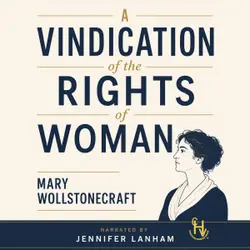
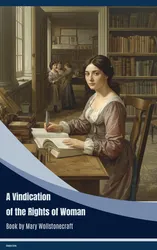
Mary Wollstonecraft wrote A Vindication of the Rights of Woman in opposition to the gender norms of the eighteenth century. In this seminal text, Wollstonecraft argues that women should receive a comprehensive education in order to benefit society. Women and men, she argues, are moral equals in the eyes of God, and women, at the time that Wollstonecraft was writing, occupied an inferior station because they were trained to serve only men rather than civilization as a whole.

Written in response to Charles Maurice de Talleyrand-Périgord's assertion that women ought only to receive a domestic education and should be confined to the home, A Vindication of the Rights of Woman was a remarkably forward-thinking political text.

This ebook has been professionally proofread to ensure accuracy and readability on all devices.

Aloita kirja saman tien hintaan 0 €

  • Kokeilujakson aikana käytössäsi on kaikki sovelluksen kirjat
  • Ei sitoumusta, voit perua milloin vain
Kokeile nyt ilmaiseksi
Yli 52 000 ihmistä on antanut Nextorylle viisi tähteä App Storessa ja Google Playssä.

  1. The Greatest Historical Novels of All Time : 70 Novels in One Edition: Love Through the Ages – From Ancient Egypt to the Roaring 30s

    Charlotte Brontë, Anne Brontë, Emily Brontë, Henry James, Samuel Richardson, Jane Austen, Guy De Maupassant, Thomas Hardy, Bernardin de Saint-Pierre, Edith Wharton, Maria Edgeworth, Henry Fielding, Anthony Trollope, Alexandre Dumas, Mary Wollstonecraft, Louis Hémon, Nathaniel Hawthorne, William Makepeace Thackeray, Grace Livingston Hill, Gilbert Parker, Fanny Fern, Georg Ebers, Fanny Burney, Mary Hays, Robert Williams Buchanan, Mary Angela Dickens, Madame de Fayette, F. Scott Fitzgerald, D. K. Broster, Sabine Baring-Gould, Eliza Haywood, Leo Tolstoy, Catharine Trotter Cockburn, Lady Sydney Morgan, Pierre Choderlos Laclos, Mrs. Olifant, María Ruiz Burton, Lady Charlotte Bury, Philip Meadows Taylor

  2. 5.0

    100 Clásicos de la Literatura

    Francis Scott Fitzgerald, Mary Shelley, Lyman Frank Baum, Louisa May Alcott, Dante Alighieri, Jane Austen, Ambrose Bierce, Emily Brontë, Edgar Rice Burroughs, Lewis Carroll, Wilkie Collins, René Descartes, Charles Dickens, Emily Dickinson, Alexandre Dumas, Gustave Flaubert, Benito Pérez Galdós, Johann Wolfgang von Goethe, Thomas Hardy, E T A Hoffmann, Washington Irving, Henry James, James Joyce, Franz Kafka, Gaston Leroux, Federico García Lorca, H.P. Lovecraft, Publio Virgilio Marón, Lucy Maud Montgomery, John William Polidori, Marco Polo, Antoine de Saint-Exupéry, Emilio Salgari, Walter Scott, Mark Twain, Jules Verne, H.G. Wells, Edith Wharton, Mary Wollstonecraft, Fernando de Rojas

  3. 23. syysk.

    Una doble vindicación : Textos seleccionados

    Mary Wollstonecraft

  4. Uusi

    Mary (Nórdica Clásicos)

    Mary Wollstonecraft

  5. Uusi

    Maria : Or, The Wrongs of Woman

    Mary Wollstonecraft

  6. 2.7

    A Vindication of the Rights of Woman

    Mary Wollstonecraft

  7. A Vindication of the Rights of Woman : The 1792 Argument That Women Deserve an Education, Not Just Admiration

    Mary Wollstonecraft

  8. 2.7

    A Vindication of the Rights of Woman

    Mary Wollstonecraft

  9. 2.0

    A Vindication of the Rights of Woman

    Mary Wollstonecraft

  10. 100 Clásicos de la Literatura Universal

    Francis Scott Fitzgerald, Mary Shelley, Lyman Frank Baum, Louisa May Alcott, Dante Alighieri, Jane Austen, Ambrose Bierce, Emily Brontë, Edgar Rice Burroughs, Lewis Carroll, Wilkie Collins, René Descartes, Charles Dickens, Emily Dickinson, Alexandre Dumas, Gustave Flaubert, Benito Pérez Galdós, Johann Wolfgang von Goethe, Thomas Hardy, E T A Hoffmann, Washington Irving, Henry James, James Joyce, Franz Kafka, Gaston Leroux, Federico García Lorca, H.P. Lovecraft, Publio Virgilio Marón, Lucy Maud Montgomery, John William Polidori, Marco Polo, Antoine de Saint-Exupéry, Emilio Salgari, Walter Scott, Mark Twain, Jules Verne, Julio Verne, H.G. Wells, Edith Wharton, Mary Wollstonecraft, Stefan Zweig, Sun Tzu, Bram Stoker, - Aristoteles, George Bernard Shaw, Henryk Sienkiewicz, Concepción Arenal, Charlotte Brontë, Miguel de Cervantes, G.K. Chesterton, Daniel Defoe, Fyodor Mikhailovich Dostoyevsky, Arthur Conan Doyle, Sigmund Freud, H. Rider Haggard, Homero, Immanuel Kant, Rudyard Kipling, Molière, Friedrich Nietzsche, Fernando de Rojas, Sófocles, William Makepeace Thackeray, León Tolstói, Voltaire, Ramón María del Valle-Inclán, Oscar Wilde, Virginia Woolf

  11. 100 Obras Maestras Que Debes Leer Antes De Morir

    Francis Scott Fitzgerald, Mary Shelley, Lyman Frank Baum, Edith Nesbit, Dante Alighieri, Jane Austen, Ambrose Bierce, Emily Brontë, Edgar Rice Burroughs, Lewis Carroll, Wilkie Collins, René Descartes, Charles Dickens, Emily Dickinson, Alexandre Dumas, Gustave Flaubert, Benito Pérez Galdós, Johann Wolfgang von Goethe, Thomas Hardy, E T A Hoffmann, Washington Irving, Henry James, James Joyce, Franz Kafka, Gaston Leroux, Federico García Lorca, H.P. Lovecraft, Publio Virgilio Marón, Lucy Maud Montgomery, John William Polidori, Marco Polo, Antoine de Saint-Exupéry, Emilio Salgari, Walter Scott, Mark Twain, Jules Verne, H.G. Wells, Edith Wharton, Mary Wollstonecraft, Fernando de Rojas

  12. Letters Written During A Short Residence In Sweden Norway And Denmark

    Mary Wollstonecraft