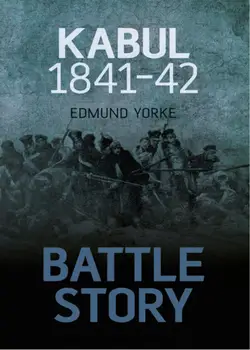
Kabul is a name that has resonated in current affairs through the early decades of the twenty-first century; however, its place in military history can be charted much further back, to the first British incursions into Afghanistan during the nineteenth century.
With the intention of using Afghanistan as a buffer between the Russian Empire and British India, the British invaded the country and occupied Kabul, from where they hoped to hold power over Central Asia. Despite initial success and setting a pro-British king on the throne, brutal uprisings catapulted the campaign to catastrophe, forcing a disastrous retreat that led to the slaughter of over 16,000 British and Indian troops and camp followers. This winter 'deathmarch', conducted in extreme temperatures well below zero, was characterised by merciless mass killings, acute hunger and frostbite and, in its last stages, recorded acts of cannibalism.
In Kabul 1841–42, military historian Dr Edmund Yorke explores the reasons behind the stunning and unexpected defeat of a force that was considered the most advanced in the world. Through contemporary accounts, placing the campaign in wider context and a blow-by-blow study of the events, discover what happened and why.