Connecticut in World War II

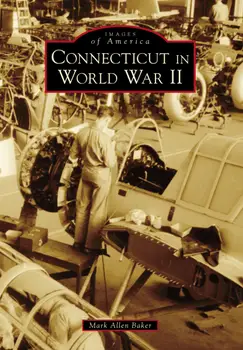
With the attack on Pearl Harbor by the Empire of Japan on December 7, 1941, and the United States' entry into World War II, our nation turned to Connecticut--as it did during World War I--for munitions, clothing, and other goods. And Connecticut answered the call: Manchester Mills increased silk production, Waterbury brass producers altered their manufacturing lines, and Bridgeport's Remington Arms--which had produced 50 percent of the US Army's small arms cartridges in World War I--increased its mass production capabilities. By the time Electric Boat, Hamilton Propellers, Pratt & Whitney, and many other Connecticut companies tallied up their production back in 1945, it amounted to over $8 billion in war contracts.

Tietoa kirjasta

With the attack on Pearl Harbor by the Empire of Japan on December 7, 1941, and the United States' entry into World War II, our nation turned to Connecticut--as it did during World War I--for munitions, clothing, and other goods. And Connecticut answered the call: Manchester Mills increased silk production, Waterbury brass producers altered their manufacturing lines, and Bridgeport's Remington Arms--which had produced 50 percent of the US Army's small arms cartridges in World War I--increased its mass production capabilities. By the time Electric Boat, Hamilton Propellers, Pratt & Whitney, and many other Connecticut companies tallied up their production back in 1945, it amounted to over $8 billion in war contracts.

Aloita kirja saman tien hintaan 0 €

  • Kokeilujakson aikana käytössäsi on kaikki sovelluksen kirjat
  • Ei sitoumusta, voit perua milloin vain
Kokeile nyt ilmaiseksi
Yli 52 000 ihmistä on antanut Nextorylle viisi tähteä App Storessa ja Google Playssä.