Tietoa kirjasta

In "Discourses on the First Decade of Titus Livius," Niccolò Machiavelli explores the intricacies of political theory through a meticulous examination of ancient Roman history as chronicled by Livy. The work is characterized by Machiavelli's incisive analytical style, where he employs a blend of historical narrative and philosophical reflection to unpack the dynamics of power, governance, and civic virtue. Machiavelli argues for the relevance of republicanism and the importance of civic engagement, juxtaposing the strengths and weaknesses of different governmental structures within the context of human nature and historical precedent. This pioneering work is significant not only for its political insights but also for its impact on Enlightenment thought and modern political theory. Machiavelli, a prominent figure of the Renaissance, drew from his experiences as a diplomat and political advisor in Florence, where he witnessed the tumultuous interplay of power and the fragility of republics. His keen observations on the nature of authority, morality, and citizenship in "Discourses" reflect his resolve to inform contemporary leaders about the enduring principles of governance and the potential for civic corruption. His works are steeped in a profound understanding of historical cycles and human behavior, making him a foundational figure in political philosophy. I highly recommend "Discourses on the First Decade of Titus Livius" to readers who seek to comprehend the roots of modern political discourse. Machiavelli's reflections initiate deeper debates about the nature of power, the role of the citizen, and the moral dimensions of leadership. Whether for scholars of political science or general readers interested in history and ethics, this book serves as an essential guide to understanding the complexities of governance and the imperatives of fostering civic responsibility.

In this enriched edition, we have carefully created added value for your reading experience:

- A succinct Introduction situates the work's timeless appeal and themes.

- The Synopsis outlines the central plot, highlighting key developments without spoiling critical twists.

- A detailed Historical Context immerses you in the era's events and influences that shaped the writing.

- An Author Biography reveals milestones in the author's life, illuminating the personal insights behind the text.

- A thorough Analysis dissects symbols, motifs, and character arcs to unearth underlying meanings.

- Reflection questions prompt you to engage personally with the work's messages, connecting them to modern life.

- Hand‐picked Memorable Quotes shine a spotlight on moments of literary brilliance.

- Interactive footnotes clarify unusual references, historical allusions, and archaic phrases for an effortless, more informed read.

Aloita kirja saman tien hintaan 0 €

  • Kokeilujakson aikana käytössäsi on kaikki sovelluksen kirjat
  • Ei sitoumusta, voit perua milloin vain
Kokeile nyt ilmaiseksi
Yli 52 000 ihmistä on antanut Nextorylle viisi tähteä App Storessa ja Google Playssä.

  1. 4.0

    Ruhtinas : Poliittisen vallan hankkiminen, säilyttäminen ja menettäminen – realismia, johtajuutta ja valtapolitiikkaa renessanssin Italiassa

    Niccolò Machiavelli

  2. Ruhtinas

    Niccolò Machiavelli

  3. Ruhtinas : Rikastettu painos. Renessanssin reaalipolitiikan opas: vallan dynamiikkaa, hallitsemisen strategioita ja käytännön neuvoja hallitsijalle

    Niccolò Machiavelli

  4. Uusi

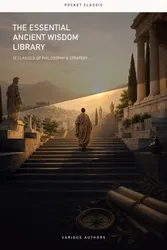
    The Essential Ancient Wisdom Library : 10 Timeless Works of Stoicism, Philosophy, Strategy and the Art of Living

    Marcus Aurelius, Seneca, Epictetus, Laozi, Plato, Sun Tzu, Musashi Miyamoto, Niccolò Machiavelli, Friedrich Wilhelm Nietzsche, James Allen

  5. 2.3

    The Prince

    Niccolò Machiavelli

  6. 5.0

    The Art of War

    Niccolò Machiavelli

  7. 3.5

    Fursten

    Niccolò Machiavelli

  8. 3.9

    Niccolò Machiavelli: The Prince : A philosophical treatise on the gaining and keeping of power

    Niccolò Machiavelli

  9. 33 Human Science Masterpieces You Must Read Before You Die. Illustrated : The Art of Public Speaking, The Meditations, The Kama Sutra and other masterpieces

    Edwin A. Abbott, Aristotle, Dale Carnegie, Gilbert Chesterton, René Descartes, Epictetus, Marcus Aurelius Antoninus, Sigmund Freud, Hermann Hesse, David Hume, Lao Tzu, Confucius, Swami Abhedananda, Anonimous, David Herbert Lawrence, Niccolò Machiavelli, Benedictus de Spinoza, John Mill, Prentice Mulford, Thomas More, Friedrich Nietzsche, J. Allanson Picton, Plato, Sun Tzu, Vatsyayana, Voltaire, H.G. Wells, Frances Bacon

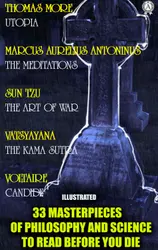
  10. 33 Masterpieces of Philosophy and Science to Read Before You Die (Illustrated) : Utopia, The Meditations, The Art of War, The Kama Sutra, Candide

    Thomas More, Marcus Aurelius Antoninus, Sun Tzu, Vatsyayana, Voltaire, Edwin A. Abbott, Aristotle, Dale Carnegie, Gilbert Keith Chesterton, René Descartes, Epictetus, Sigmund Freud, Hermann Hesse, David Hume, Lao Tzu, David Herbert Lawrence, Niccolò Machiavelli, John Mill, Prentice Mulford, Friedrich Nietzsche, Plato, Bertrand Russell, H.G. Wells, Frances Bacon

  11. 4.0

    The Prince

    Niccolò Machiavelli

  12. The Complete Harvard Classics Collection (Golden Deer Classics) : [51 Volumes + The Harvard Classic Shelf Of Fiction]

    Charles W. Eliot, Golden Deer Classics, John Milton, Plato, Benjamin Franklin, Adam Smith, Charles Darwin, Miguel de Cervantes, Virgil, Anonymous, Grimm Brothers, Hans Christian Andersen, Oliver Goldsmith, Dante Alighieri, Pierre Corneille, Jean Racine, Molière, Michel de Montaigne, Voltaire, Niccolò Machiavelli, Confucius, William Shakespeare