Tietoa kirjasta

In his introduction to the 1913 edition of Gitanjali, W.B. Yeats praises Tagore as someone who "writes music for his words… he is so abundant, so spontaneous, so daring in his passion, so full of surprise, because he is doing something which has never seemed strange, unnatural, or in need of defence." His description sits aptly for Tagore's prose poetry in Gitanjali. Translated in English as Song Offerings, the 1912 edition had translations of 53 poems from the original 1910 Bengali edition, along with the translations of his other works. The central theme that pervades the collection of poems is that of devotion to God. The expressions exhibited in these poems range from pangs of separation from God, a sense of yearning and an unconditional waiting, and an absolute ecstasy and joy in being at service to God. Through his poems, Tagore seems to pass on the wisdom he has gained in his journey to becoming one with God, while also acknowledging and being at peace with his own mortality. Gitanjali or Song Offerings – as it is known in the West – went on to become one of Tagore's highly regarded works, so much so that he received the Nobel Prize for Literature, largely for the translated version in 1913. The book is part of the UNESCO Collection of Representative Works. The timeless appeal of the book lies in its call for universal harmony – something that continues to resonate in the world even today.

Aloita kirja saman tien hintaan 0 €

  • Kokeilujakson aikana käytössäsi on kaikki sovelluksen kirjat
  • Ei sitoumusta, voit perua milloin vain
Kokeile nyt ilmaiseksi
Yli 52 000 ihmistä on antanut Nextorylle viisi tähteä App Storessa ja Google Playssä.

  1. Uusi

    50 Masterpieces you have to read before you die vol: 2

    Joseph Sheridan Fanu, Madame de Fayette, Jerome K Jerome, James Joyce, Charles Kingsley, Rudyard Kipling, Pierre Choderlos Laclos, D. H. Lawrence, Matthew Gregory Lewis, Sinclair Lewis, Jack London, H.P. Lovecraft, Thomas Mann, W. Somerset Maugham, Guy De Maupassant, Herman Melville, Edgar Allan Poe, Marcel Proust, Ann Radcliffe, Samuel Richardson, George Sand, Walter Scott, Mary Shelley, Henryk Sienkiewicz, May Sinclair, Upton Sinclair, Stendhal, Laurence Sterne, Robert Louis Stevenson, Bram Stoker, Harriet Beecher Stowe, Jonathan Swift, Rabindranath Tagore, William Makepeace Thackeray, Leo Tolstoy, Anthony Troloppe, Ivan Turgenev, Mark Twain, Jules Verne, Lew Wallace, H.G. Wells, Rebecca West, Edith Wharton, Oscar Wilde, Cao Xueqin, Émile Zola

  2. Uusi

    50 Masterpieces you have to read before you die vol: 2

    Joseph Sheridan Fanu, Madame de Fayette, Jerome K Jerome, James Joyce, Charles Kingsley, Rudyard Kipling, Pierre Choderlos Laclos, D. H. Lawrence, Matthew Gregory Lewis, Sinclair Lewis, Jack London, H.P. Lovecraft, Thomas Mann, W. Somerset Maugham, Guy De Maupassant, Herman Melville, Edgar Allan Poe, Marcel Proust, Ann Radcliffe, Samuel Richardson, George Sand, Walter Scott, Mary Shelley, Henryk Sienkiewicz, May Sinclair, Upton Sinclair, Stendhal, Laurence Sterne, Robert Louis Stevenson, Bram Stoker, Harriet Beecher Stowe, Jonathan Swift, Rabindranath Tagore, William Makepeace Thackeray, Leo Tolstoy, Anthony Troloppe, Ivan Turgenev, Mark Twain, Jules Verne, Lew Wallace, H.G. Wells, Rebecca West, Edith Wharton, Oscar Wilde, Cao Xueqin, Émile Zola

  3. Nobel-palkinto

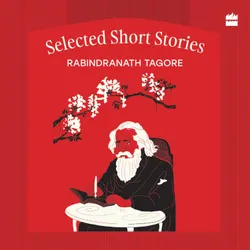
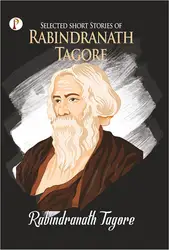
    Selected Short Stories

    Rabindranath Tagore

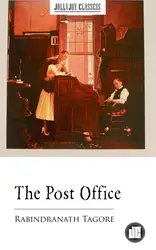
  4. The Post Office

    Rabindranath Tagore

  5. Uusi

    Selected Stories of Rabindranath Tagore

    Rabindranath Tagore

  6. Uusi

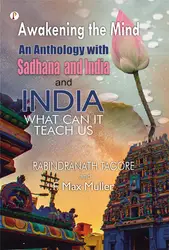
    Awakening the Mind: An Anthology with Sadhana and India: What Can It Teach Us? 2-in-1 Combo

    Rabindranath Tagore, F. Max Muller

  7. Uusi

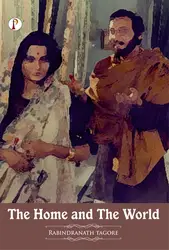
    The Home and the World

    Rabindranath Tagore

  8. Uusi

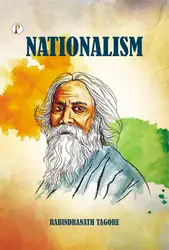
    Nationalism

    Rabindranath Tagore

  9. Sadhana : The Realisation of LIfe

    Rabindranath Tagore

  10. Uusi

    Creative Unity

    Rabindranath Tagore

  11. Uusi

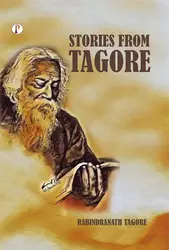
    Stories from Tagore

    Rabindranath Tagore

  12. Uusi

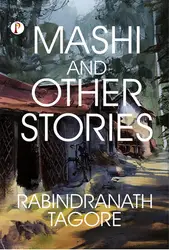
    Mashi, and Other Stories

    Rabindranath Tagore