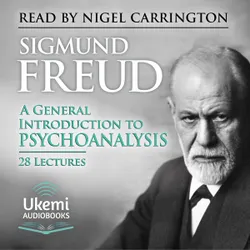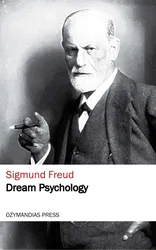
In *Psychoanalysis for Beginners: A General Introduction to Psychoanalysis & Dream Psychology*, Sigmund Freud presents the foundational principles of the discipline he created in an accessible yet conceptually rigorous form. He explains the unconscious, repression, infantile sexuality, symptoms, slips of the tongue, and the interpretive method by which apparently irrational behavior may be understood as meaningful. Its discussion of dreams—especially wish fulfillment, manifest and latent content, symbolism, and dream-work—translates clinical observations into a broader theory of the mind. Combining lucid exposition with illustrative examples, the book belongs to the intellectual context of early twentieth-century modernism, when inherited ideas of rational selfhood were being challenged by new psychological and scientific models. Freud (1856–1939), an Austrian neurologist and the founder of psychoanalysis, developed these arguments through decades of medical practice, self-analysis, and engagement with neurology, philosophy, mythology, and the humanities. His work emerged from attempts to explain hysterical symptoms and other forms of psychic distress that conventional medicine struggled to account for. This introductory presentation reflects his ambition to make psychoanalysis not merely a therapeutic technique, but a comprehensive account of human desire, memory, conflict, and culture. This book is recommended to readers seeking a reliable gateway into Freud's vocabulary and method, as well as to students of psychology, literature, intellectual history, and cultural theory. It should be read both as a historically influential theory and as an invitation to question the conscious motives people offer for their actions. Readers will find here a concise foundation for approaching Freud's larger works and for assessing the continuing influence—and controversy—of psychoanalytic thought.
This enriched edition has been carefully crafted to add value to your reading experience.
- A comprehensive Introduction outlines these selected works' unifying features, themes, or stylistic evolutions.
- The Author Biography highlights personal milestones and literary influences that shape the entire body of writing.
- A Historical Context section situates the works in their broader era—social currents, cultural trends, and key events that underpin their creation.
- A concise Synopsis (Selection) offers an accessible overview of the included texts, helping readers navigate plotlines and main ideas without revealing critical twists.
- A unified Analysis examines recurring motifs and stylistic hallmarks across the collection, tying the stories together while spotlighting the different work's strengths.
- Reflection questions inspire deeper contemplation of the author's overarching message, inviting readers to draw connections among different texts and relate them to modern contexts.
- Lastly, our hand‐picked Memorable Quotes distill pivotal lines and turning points, serving as touchstones for the collection's central themes.