Tietoa kirjasta

In terms of geopolitics, perhaps the most seminal event of the Middle Ages was the successful Ottoman siege of Constantinople in 1453. The city had been an imperial capital as far back as the 4th century, when Constantine the Great shifted the power center of the Roman Empire there, effectively establishing two almost equally powerful halves of antiquity’s greatest empire. Constantinople would continue to serve as the capital of the Byzantine Empire even after the Western half of the Roman Empire collapsed in the late 5th century. Naturally, the Ottoman Empire would also use Constantinople as the capital of its empire after their conquest effectively ended the Byzantine Empire, and thanks to its strategic location, it has been a trading center for years and remains one today under the Turkish name of Istanbul.

The end of the Byzantine Empire had a profound effect not only on the Middle East but Europe as well. Constantinople had played a crucial part in the Crusades, and the fall of the Byzantines meant that the Ottomans now shared a border with Europe. Indeed, the Ottomans would clash with Russians, Austrians, Venetians, Polish, and more before collapsing as a result of World War I, when they were part of the Central powers.

In the wake of taking Constantinople, the Ottoman Empire would spend the next few centuries expanding its size, power, and influence, bumping up against Eastern Europe and becoming one of the world’s most important geopolitical players. It was a rise that would not truly start to wane until the 19th century. Preserving its mixed heritage, coming from both its geographic position rising above the ashes of the Byzantine Empire and the tradition inherited from the Muslim Conquests, the Ottoman Empire lasted more than six centuries.
Aloita kirja saman tien hintaan 0 €

  • Kokeilujakson aikana käytössäsi on kaikki sovelluksen kirjat
  • Ei sitoumusta, voit perua milloin vain
Kokeile nyt ilmaiseksi
Yli 52 000 ihmistä on antanut Nextorylle viisi tähteä App Storessa ja Google Playssä.

Samankaltaisia kirjoja

  1. The Ottoman Empire’s Worst Defeats: The History and Legacy of the Decisive Battles that Checked the Ottomans’ Expansion into Europe

    Charles River Editors

  2. The Ottoman Empire’s Greatest Victories: The History and Legacy of the Most Important Battles Won by the Ottomans

    Charles River Editors

  3. The Ottomans and Christians: The History and Legacy of the Ottomans’ Conflicts with Catholic and Orthodox Nations

    Charles River Editors

  4. The Ottoman Empire’s Greatest Sultans: The Lives and Legacies of Osman I, Mehmed II, and Suleiman the Magnificent

    Charles River Editors

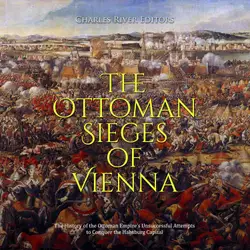
  5. The Ottoman Sieges of Vienna: The History of the Ottoman Empire’s Unsuccessful Attempts to Conquer the Habsburg Capital

    Charles River Editors

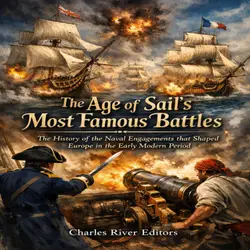
  6. The Age of Sail’s Most Famous Battles: The History of the Naval Engagements that Shaped Europe in the Early Modern Period

    Charles River Editors

  7. The Islamic Invasions of Europe: The History of the Ottoman and Moorish Campaigns across the Continent

    Charles River Editors

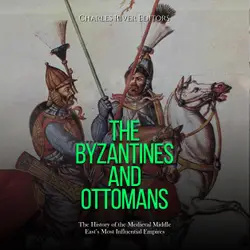
  8. The Byzantines and Ottomans: The History of the Medieval Middle East’s Most Influential Empires

    Charles River Editors

  9. Manzikert and Myriokephalon: The History of the Battles for Anatolia between the Byzantines and Seljuks

    Charles River Editors

  10. The Byzantine-Seljuk Wars: The History and Legacy of the Battles for Asia Minor in the 11th Century

    Charles River Editors

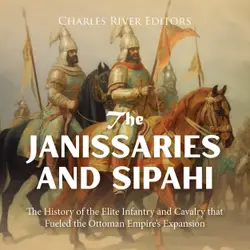
  11. The Janissaries and Sipahi: The History of the Elite Infantry and Cavalry that Fueled the Ottoman Empire’s Expansion

    Charles River Editors

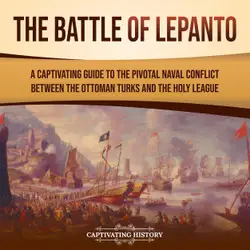
  12. The Battle of Lepanto: A Captivating Guide to the Pivotal Naval Conflict between the Ottoman Turks and the Holy League

    Captivating History