2.0(1)

Paradise Lost

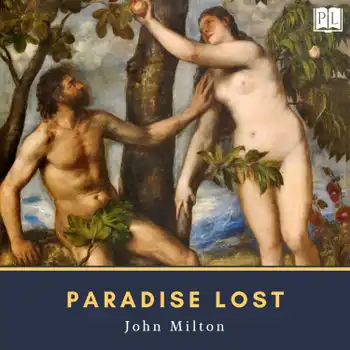
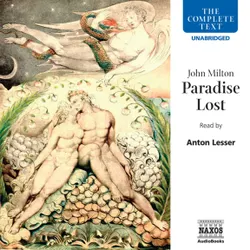
Paradise Lost is an epic poem written by the Puritan English poet John Milton between 1658 and 1663, and published in 1667. This is a period of English history which encompasses the end of Oliver Cromwell's Commonwealth and the restoration of the monarchy in 1660.

Perhaps reflecting some of his country's turmoil during Milton's life, Paradise Lost deals with revolution in Heaven by Satan and his followers against God, their defeat and banishment to Hell, and their subsequent plotting of revenge, leading ultimately to Satan beguiling Eve in Paradise to taste the fruit of the Tree of Knowledge against the explicit command of God. Milton's vivid and poetic description of these events is both dramatic and compelling. The work gained swift acceptance and has always remained a popular and important part of English literature.

Originally published in ten books, a second edition was published in 1674 arranged into twelve books, the form in which it appears here.

Commencez ce livre dès aujourd’hui pour 0 €

  • Accédez à tous les livres de l'app pendant la période d'essai
  • Sans engagement, annulez à tout moment
Essayer gratuitement
Plus de 52 000 personnes ont noté Nextory 5 étoiles sur l'App Store et Google Play.
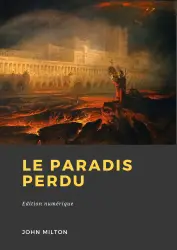
  1. Le Paradis Perdu - Illustré

    John Milton

  2. El Paraíso perdido

    John Milton

  3. Paradise Lost: Books I-XII and Student Guide (As Told by Satan) (Unabridged)

    John Milton

  4. Paraíso perdido

    John Milton

  5. El paraíso perdido

    John Milton

  6. Paradise Lost : Key Insights

    John Milton

  7. Paradise Lost

    John Milton

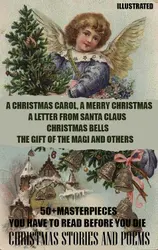
  8. 50+ Masterpieces you have to read before you die. Christmas Stories and Poems : A Christmas Carol, A Merry Christmas, A Letter from Santa Claus, Christmas Bells, The Gift of the Magi and others

    Charles Dickens, L.M. Montgomery, L. Frank Baum, Mark Twain, Louisa May Alcott, Leo Tolstoy, Henry Wadsworth Longfellow, Nikolai Gogol, William Dean Howells, Joseph Rudyard Kipling, Elizabeth Harrison, John Milton, Hans Christian Andersen, Selma Lagerlof, Clement Moore, Henry van Dyke, Beatrix Potter, Anton Chekhov, O.Henry, Hesba Stretton, Kenneth Grahame, Robert Louis Stevenson, Walter Scott, Alfred Tennyson, Thomas Hardy, William Butler Yeats, William Makepeace Thackeray, Charles Kingsley, Ella Wheeler Wilcox, C. W. Stubbs, Eugene Field, Paul Laurence Dunbar, William Topaz McGonagall, Emily Dickinson, G.K. Chesterton

  9. 35+ Anthology of Christmas stories. Classic collection

    Charles Dickens, L.M. Montgomery, L. Frank Baum, Mark Twain, Louisa May Alcott, Leo Tolstoy, Henry Wadsworth Longfellow, Nikolai Gogol, William Dean Howells, Joseph Rudyard Kipling, Elizabeth Harrison, John Milton, Hans Christian Andersen, Selma Lagerlof, Clement Moore, Henry van Dyke, Beatrix Potter, Anton Chekhov, G.K. Chesterton

  10. 101 Libros Imprescindibles Para Leer En Tu Vida : Edición enriquecida. Explorando la vastedad literaria a través de 101 obras imprescindibles

    Franz Kafka, Lewis Carroll, Henrik Ibsen, Mark Twain, Immanuel Kant, Harriet Beecher Stowe, Oscar Wilde, Robert Louis Stevenson, Edgar Allan Poe, William Shakespeare, Dante Alighieri, Giovanni Boccaccio, Bram Stoker, Emily Brontë, Jack London, Victor Hugo, Arthur Conan Doyle, Jane Austen, Herman Melville, Gustavo Adolfo Bécquer, Vicente Blasco Ibáñez, Benito Pérez Galdós, Jean-Jacques Rousseau, Washington Irving, Juan Valera, Horacio Quiroga, Charles Baudelaire, Voltaire, Leopoldo Alas, John Milton, José Martí, Rubén Darío, Antonio Machado, Emilia Pardo Bazán, L. Frank Baum, H.G. Wells, H.P. Lovecraft, Seneca, Hans Christian Andersen, Friedrich Nietzsche, Mary Shelley, Sófocles, Sun Tzu, Antón Chéjov, León Tolstoi, Tomás Moro, San Agustín, Julio Verne, Homero, Platón, Hermanos Grimm, Jorge Isaacs, Ignacio De Loyola, Nicolás Maquiavelo, Miguel Cervantes, Teresa de Jesús, Miguel De Unamuno, Duque de Rivas, Ramón María del Valle-Inclán, Federico García Lorca, Gibrán Jalil Gibrán

  11. 100 Obras Maestras de la Literatura Universal : Edición enriquecida. Viaje intertemporal por iconos mundiales y el diálogo cultural histórico

    Johann Wolfgang von Goethe, Gustave Flaubert, Franz Kafka, Lewis Carroll, Sigmund Freud, Henrik Ibsen, Charles Dickens, Honoré de Balzac, Mark Twain, Immanuel Kant, Friedrich Schiller, Harriet Beecher Stowe, Oscar Wilde, Robert Louis Stevenson, Edgar Allan Poe, William Shakespeare, Dante Alighieri, Giovanni Boccaccio, Bram Stoker, Charlotte Brontë, Emily Brontë, Jack London, Henry James, Louisa May Alcott, Victor Hugo, Arthur Conan Doyle, Joseph Conrad, Jane Austen, José Rizal, Edgar Rice Burroughs, Herman Melville, Jonathan Swift, Gustavo Adolfo Bécquer, Vicente Blasco Ibáñez, Benito Pérez Galdós, Jean-Jacques Rousseau, Daniel Defoe, Pedro Calderón de la Barca, Virginia Woolf, Washington Irving, Juan Valera, Horacio Quiroga, Nathaniel Hawthorne, Charles Baudelaire, Wilkie Collins, William Makepeace Thackeray, Voltaire, Apuleius, Leopoldo Alas, John Milton, José Martí, Lope de Vega, Emilio Salgari, Francisco de Quevedo, Rubén Darío, Antonio Machado, José Zorrilla, Tirso de Molina, Emilia Pardo Bazán, Fernando de Rojas, L. Frank Baum, H.G. Wells, J.M. Barrie, H. Rider Haggard, H.P. Lovecraft, Seneca, Hans Christian Andersen, Friedrich Nietzsche, Mary Shelley, Baltasar Gracián, Sófocles, Sun Tzu, Fiódor Dostoyevski, Antón Chéjov, León Tolstoi, Tomás Moro, San Agustín, Nikolái Gógol, Julio Verne, Homero, Platón, Alejandro Dumas, Aristóteles, Hermanos Grimm, Jorge Isaacs, Ignacio De Loyola, Nicolás Maquiavelo, Miguel Cervantes, Teresa de Jesús, Alejandro Dumas hijo, Mijaíl Bakunin, Miguel De Unamuno, Duque de Rivas, Ramón María del Valle-Inclán, Federico García Lorca, Gibrán Jalil Gibrán

  12. Le Paradis perdu

    John Milton