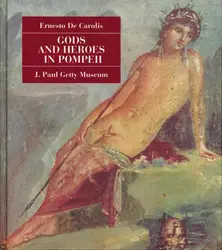
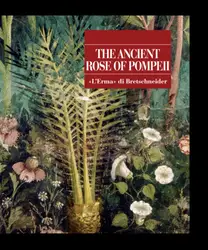
This study explores the sociocultural dimensions of sexuality in ancient Pompeii by analyzing its archaeological, iconographic, and epigraphic remains. Diverging from modern definitions of eroticism that rely on notions of taboos or moral transgressions, the analysis examines how Roman society integrated sexual imagery into both public and private life. By contextualizing phallic motifs, apotropaic symbols, and theatrical performances, the work demonstrates how explicit representations often fulfilled protective, religious, or satirical functions rather than strictly libidinous ones. Furthermore, an investigation of erotic frescoes, decorated domestic spaces, and wall graffiti reveals the sophisticated role of visual stimuli, voyeurism, and literary commentary in private environments. Through primary literary sources and physical artifacts, the publication highlights how Pompeian material culture reflects a complex, highly codified framework where sexual representation intersected with social status, domestic functionality, and psychological arousal within the early Roman Empire.