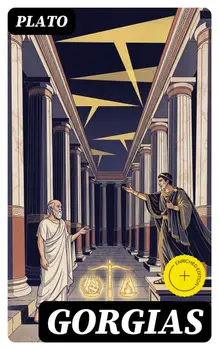
In "Gorgias," Plato delves into the intricate interplay between rhetoric, ethics, and the pursuit of truth through a vivid dialogue primarily featuring Socrates and the titular Sophist. The text, structured as a dialectical exploration, critiques the power of persuasive speech devoid of moral grounding, juxtaposing the superficiality of rhetoric against the deeper quest for genuine knowledge. With its philosophical dialectic, "Gorgias" stands as a pivotal work in the Socratic tradition, reflecting the tensions of Classical Athens' intellectual landscape where the burgeoning art of persuasion often collided with philosophical inquiry. Plato, a student of Socrates and a central figure in Western philosophy, was profoundly influenced by the moral dilemmas he witnessed within Athenian society. His dialogues often serve as both a homage to his mentor and a counterpoint to the Sophists, whose teachings championed rhetoric as an end in itself. Through the character of Socrates, Plato articulates a vision of philosophy that seeks truth and virtue, challenging conventional thought and engaging readers in the moral implications of their beliefs. Readers of "Gorgias" will find not only a sophisticated critique of rhetoric but also a timeless reflection on the ethical responsibilities of communicators. This work is essential for anyone seeking to understand the philosophical foundations of argumentation and the moral implications of persuasion, making it a compelling read for scholars, students, and anyone interested in the intersections of ethics, politics, and philosophy.
In this enriched edition, we have carefully created added value for your reading experience:
- A succinct Introduction situates the work's timeless appeal and themes.
- The Synopsis outlines the central plot, highlighting key developments without spoiling critical twists.
- A detailed Historical Context immerses you in the era's events and influences that shaped the writing.
- An Author Biography reveals milestones in the author's life, illuminating the personal insights behind the text.
- A thorough Analysis dissects symbols, motifs, and character arcs to unearth underlying meanings.
- Reflection questions prompt you to engage personally with the work's messages, connecting them to modern life.
- Hand‐picked Memorable Quotes shine a spotlight on moments of literary brilliance.
- Interactive footnotes clarify unusual references, historical allusions, and archaic phrases for an effortless, more informed read.