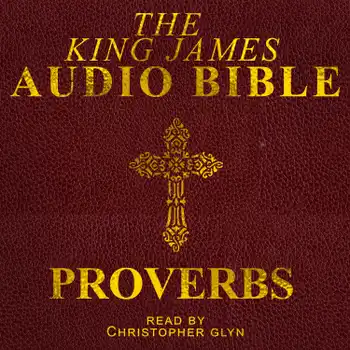
Proverbs : Old Testament

The Book of Proverbs is a collection of sayings and instructions in the Hebrew Bible and the Christian Old Testament, attributed primarily to King Solomon and other wise figures. It is part of the Ketuvim (Writings) in the Jewish Tanakh and is classified as Wisdom Literature in the Christian canon. The book's primary purpose is to teach wisdom, discipline, and a prudent and righteous life. It contrasts the ways of the wise and the foolish, often through short, memorable sayings that emphasize moral and ethical behavior, the importance of discipline, and the fear of the Lord as the beginning of knowledge.

**Key Themes and Features of Proverbs:**

1. **Wisdom and Folly:** Proverbs presents wisdom as the principal thing to pursue. Wisdom is personified as a woman calling out to people to embrace discipline and understanding. In contrast, folly is also personified as a seductive woman leading the naive to destruction.

2. **Moral and Ethical Teachings:** The book covers a wide range of topics, including but not limited to honesty, integrity, hard work, humility, justice, restraint in speech, generosity, and family relationships. It emphasizes the consequences of good and bad behavior.

3. **The Fear of the Lord:** A foundational theme is the fear of the Lord, which is depicted as the beginning of wisdom. This concept involves a deep respect, reverence, and awe for God's power and moral order, leading to a life that avoids evil and pursues righteousness.

4. **Practical Guidance for Daily Living:** Proverbs offers practical advice for everyday situations, providing guidance on how to navigate complex social interactions and personal decisions with wisdom and discernment.

5. **Family and Community Life:** It places strong emphasis on family relationships, particularly the roles of parents and children, and the value of a good spouse. It also addresses interpersonal relations in the broader community and business dealings.

**Structure and Composition:**

The Book of Proverbs is divided into several sections, with the most notable being:

- **Chapters 1-9:** A series of discourses exhorting the reader to embrace wisdom and shun folly.

- **Chapters 10-22:16:** A collection of individual proverbs attributed mainly to Solomon, offering practical wisdom for righteous living.

- **Chapters 22:17-24:34:** Sayings of the wise that encourage reflection and moral behavior.

- **Chapters 25-29:** More proverbs of Solomon that were compiled by the men of Hezekiah, king of Judah.

- **Chapter 30:** The sayings of Agur, which include reflections on the nature of God and the universe, as well as practical wisdom.

- **Chapter 31:** The sayings of King Lemuel, which include an acrostic poem describing the virtues of an ideal wife, often referred to as the Proverbs 31 woman.

**Significance:**

The Book of Proverbs remains a timeless source of wisdom, moral guidance, and instruction for living a life that is pleasing to God and beneficial to oneself and others. Its teachings are relevant across cultures and generations, offering insights into human nature, the consequences of choices, and the pursuit of a meaningful and virtuous life.

Om denne boken

The Book of Proverbs is a collection of sayings and instructions in the Hebrew Bible and the Christian Old Testament, attributed primarily to King Solomon and other wise figures. It is part of the Ketuvim (Writings) in the Jewish Tanakh and is classified as Wisdom Literature in the Christian canon. The book's primary purpose is to teach wisdom, discipline, and a prudent and righteous life. It contrasts the ways of the wise and the foolish, often through short, memorable sayings that emphasize moral and ethical behavior, the importance of discipline, and the fear of the Lord as the beginning of knowledge.

**Key Themes and Features of Proverbs:**

1. **Wisdom and Folly:** Proverbs presents wisdom as the principal thing to pursue. Wisdom is personified as a woman calling out to people to embrace discipline and understanding. In contrast, folly is also personified as a seductive woman leading the naive to destruction.

2. **Moral and Ethical Teachings:** The book covers a wide range of topics, including but not limited to honesty, integrity, hard work, humility, justice, restraint in speech, generosity, and family relationships. It emphasizes the consequences of good and bad behavior.

3. **The Fear of the Lord:** A foundational theme is the fear of the Lord, which is depicted as the beginning of wisdom. This concept involves a deep respect, reverence, and awe for God's power and moral order, leading to a life that avoids evil and pursues righteousness.

4. **Practical Guidance for Daily Living:** Proverbs offers practical advice for everyday situations, providing guidance on how to navigate complex social interactions and personal decisions with wisdom and discernment.

5. **Family and Community Life:** It places strong emphasis on family relationships, particularly the roles of parents and children, and the value of a good spouse. It also addresses interpersonal relations in the broader community and business dealings.

**Structure and Composition:**

The Book of Proverbs is divided into several sections, with the most notable being:

- **Chapters 1-9:** A series of discourses exhorting the reader to embrace wisdom and shun folly.

- **Chapters 10-22:16:** A collection of individual proverbs attributed mainly to Solomon, offering practical wisdom for righteous living.

- **Chapters 22:17-24:34:** Sayings of the wise that encourage reflection and moral behavior.

- **Chapters 25-29:** More proverbs of Solomon that were compiled by the men of Hezekiah, king of Judah.

- **Chapter 30:** The sayings of Agur, which include reflections on the nature of God and the universe, as well as practical wisdom.

- **Chapter 31:** The sayings of King Lemuel, which include an acrostic poem describing the virtues of an ideal wife, often referred to as the Proverbs 31 woman.

**Significance:**

The Book of Proverbs remains a timeless source of wisdom, moral guidance, and instruction for living a life that is pleasing to God and beneficial to oneself and others. Its teachings are relevant across cultures and generations, offering insights into human nature, the consequences of choices, and the pursuit of a meaningful and virtuous life.
Kom i gang med denne boken i dag for 0 kr

  • Få full tilgang til alle bøkene i appen i prøveperioden
  • Ingen forpliktelser, si opp når du vil
Prøv gratis nå
Mer enn 52 000 personer har gitt Nextory 5 stjerner på App Store og Google Play.

Andre lesere likte disse

Hopp over listen
  1. Die Weisheit des Ostens: Wesentliche Werke : Tao Te King, Analekten des Konfuzius, Die Reden des Buddha, Kamasutra, Upanishaden, Vierzeiler, Bhagavadgita

    Siddhartha Gautama Buddha, Lao Tse, - Konfuzius, Vatsyayana Mallanaga, Prophet Mohammed, Rabindranath Tagore, Dschalal ad-Din Muhammad Rumi, Omar Chayyām

  2. 5.0

    Full Engagement! : Inspire, Motivate, and Bring Out the Best in Your People

    Brian Tracy

  3. Evangelism : How the Whole Church Speaks of Jesus

    J. Mack Stiles

  4. 5.0

    You Are Hired! Job Search + Interview 2-in-1 : Forget Classifieds and Learn How to Effectively Look for a Job in Today's Market. Effective Techniques to Stand-Out From the Crowd & Nail that Interview

    Clifford Page

  5. 3.0

    Summary of Jab, Jab, Jab, Right Hook : How to Tell Your Story in a Noisy Social World by Gary Vaynerchuk

    Abbey Beathan

  6. 4.5

    Handbuch Zeichnen : Grundlagen,Techniken, Motive

  7. Outsmarting IQ: The Emerging Science of Learnable Intelligence

    David Perkins

  8. 5.0

    Konsequenzen des Kapitalismus : Der lange Weg von der Unzufriedenheit zum Widerstand

    Marv Waterstone, Noam Chomsky

  9. 5.0

    The Tao of Solomon : Unlocking the Perennial Wisdom of Ecclesiastes

    Rabbi Rami Shapiro

  10. 3.0

    Die besten Führungskräfte der Welt – Zeitlose Lektionen über Leadership: Wie Sie zu einem außergewöhnlichen Chef werden und die entscheidenden Strategien moderner Führung anwenden

    Paul A. Wyatt

  11. Wirksamer Einfluss – Inspirierend führen: Wie Sie die Macht der Beeinflussung nutzen. So motivieren Sie Menschen zu Höchstleistungen und entfesseln das volle Potenzial Ihrer Mitarbeiter

    Paul A. Wyatt

  12. 5.0

    The Orbis Pictus

    Johann Amos Comenius