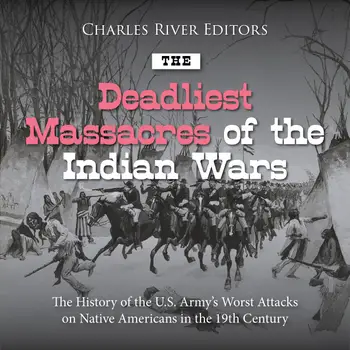
The Deadliest Massacres of the Indian Wars: The History of the U.S. Army’s Worst Attacks on Native Americans in the 19th Century

From the “Trail of Tears” to Wounded Knee and Little Bighorn, the narrative of American history is incomplete without the inclusion of the Native Americans that lived on the continent before European settlers arrived in the 16th and 17th centuries. Since the first contact between natives and settlers, tribes like the Sioux, Cherokee, and Navajo have both fascinated and perplexed outsiders with their history, language, and culture.

The Shoshone are still remembered for their assistance, especially Sacagawea, and they maintained contact with Americans throughout the 19th century, but unfortunately, the cooperation gave way to conflict as white settlers began to move westward and enter onto lands occupied by the Shoshone.

On the morning of November 29, 1864, Colonel John Chivington led 700 militiamen in a surprise attack against Cheyenne leader Black Kettle's camp at Sand Creek. Chivington was a fire and brimstone Methodist minister who had publicly advocated indiscriminately killing Native American children because “nits makes lice.” According to Cheyenne oral tradition and several surviving soldiers' accounts, as soon as Black Kettle saw Chivington’s men coming, he raised an American flag on a pole and waved it back and forth calling out that his Wutapai band was not resisting. Ignoring his cries for mercy, the soldiers commenced firing, cutting down an estimated 70-200 Cheyenne, about two-thirds of whom were women and children.

Among all the events in the strained relations between the U.S. government and Native Americans during the 19th century, the most notorious and defining one was what is today called the Wounded Knee Massacre. Technically, it was the last armed engagement between Sioux warriors and the U.S. military, and it marked the end of effective resistance by any Sioux bands, but what actually occurred is far more controversial.


Commencez ce livre dès aujourd'hui pour 0 €

  • Accédez à tous les livres de l'app pendant la période d'essai
  • Sans engagement, annulez à tout moment
Essayer gratuitement
Plus de 52 000 personnes ont noté Nextory 5 étoiles sur l'App Store et Google Play.

  1. Hamilcar and Hannibal: The History of the Carthaginian Generals Who Brought Rome to Its Knees

    Charles River Editors

  2. The Iranian Revolution and Iran Hostage Crisis: The History of the Events that Broke American Relations with Iran

    Charles River Editors

  3. The Counter-Reformation: The History of the Catholic Church’s Response to the Protestant Reformation

    Charles River Editors

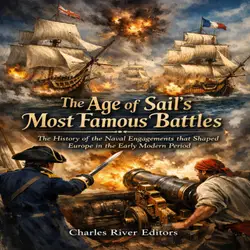
  4. The Age of Sail’s Most Famous Battles: The History of the Naval Engagements that Shaped Europe in the Early Modern Period

    Charles River Editors

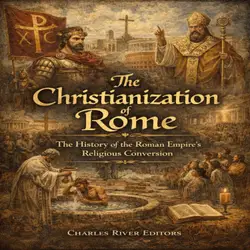
  5. The Christianization of Rome: The History of the Roman Empire’s Religious Conversion

    Charles River Editors

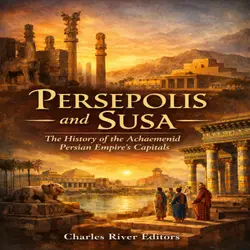
  6. Persepolis and Susa: The History of the Achaemenid Persian Empire’s Capitals

    Charles River Editors

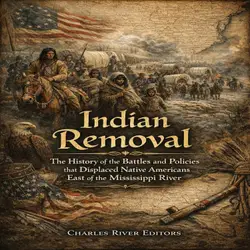
  7. Indian Removal: The History of the Battles and Policies that Displaced Native Americans East of the Mississippi River

    Charles River Editors

  8. The Dawn of the Age of Exploration: The History of the Initial Expeditions that Led to European Imperialism across the Globe

    Charles River Editors

  9. The Height of the Cold War: The History of the Events that Brought the Soviet Union and United States to the Brink

    Charles River Editors

  10. Across the Silk Road and the Atlantic: The History of Marco Polo and Christopher Columbus’ Groundbreaking Voyages

    Charles River Editors

  11. Kublai Khan and Marco Polo: The History of a Unique Partnership at the Court of the Mongol Empire

    Charles River Editors

  12. The Start of the Cold War: The History of the Burgeoning Rivalry Between the United States and Soviet Union

    Charles River Editors