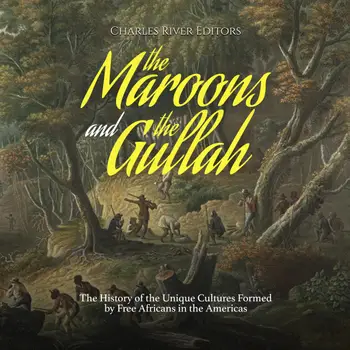
The Maroons and the Gullah: The History of the Unique Cultures Formed by Free Africans in the Americas

Although the slave systems required the continual use of force and coercion, as well as the harsh punishment of any rebellion, slaves were not a helpless labor force terrorized into obedience and docility. Slaves resisted and sometimes rebelled, and over the centuries there were thousands of slave rebellions of varying sizes. Slaves commonly resisted in many ways, such as sabotaging their tools and the crops they were tending, but much more rarely slaves violently rebelled, which were for the most part put down with extreme violence.

Of course, a fairly common form of resistance was running away and seeking hiding places in environments where slave catchers experienced difficulty. Slaves who ran and hid out, or who made their own settlements, were called maroons, from the Spanish word cimarron, which means “wild” or “untamed.” The term that historians commonly use to describe this is marronage, adapted from the French word maron, meaning the same as maroon. Marronage took two forms, grand and petty. Grand marronage was permanent, with escapees joining together to establish lasting settlements in inaccessible areas in mountains and swamps, sometimes preferring death rather than being caught and enslaved again.

The Gullah Geechee, or the “Gullah” for short, are the descendants and rightful heirs of the once-shackled slaves who resided in these parts. As the guardians and torch holders of the incredible legacy left behind by their persevering ancestors, the modern Gullah spare no effort in preserving the inherently unique customs and traditions, complete with their own creole tongue, that have been passed down from one generation to the next.


Commencez ce livre dès aujourd'hui pour 0 €

  • Accédez à tous les livres de l'app pendant la période d'essai
  • Sans engagement, annulez à tout moment
Essayer gratuitement
Plus de 52 000 personnes ont noté Nextory 5 étoiles sur l'App Store et Google Play.

  1. Hamilcar and Hannibal: The History of the Carthaginian Generals Who Brought Rome to Its Knees

    Charles River Editors

  2. The History of Nazi Germany’s Legendary Tank Commanders

    Charles River Editors

  3. Nouveau

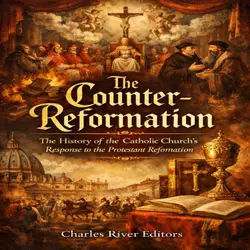
    The Counter-Reformation: The History of the Catholic Church’s Response to the Protestant Reformation

    Charles River Editors

  4. Nouveau

    The Iranian Revolution and Iran Hostage Crisis: The History of the Events that Broke American Relations with Iran

    Charles River Editors

  5. Nouveau

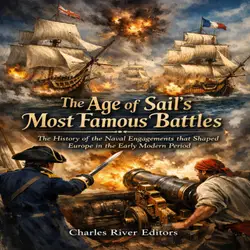
    The Age of Sail’s Most Famous Battles: The History of the Naval Engagements that Shaped Europe in the Early Modern Period

    Charles River Editors

  6. Nouveau

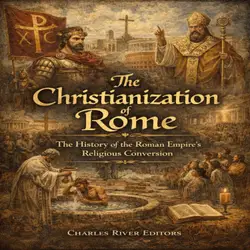
    The Christianization of Rome: The History of the Roman Empire’s Religious Conversion

    Charles River Editors

  7. Nouveau

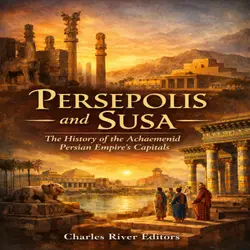
    Persepolis and Susa: The History of the Achaemenid Persian Empire’s Capitals

    Charles River Editors

  8. Nouveau

    Indian Removal: The History of the Battles and Policies that Displaced Native Americans East of the Mississippi River

    Charles River Editors

  9. Nouveau

    Across the Silk Road and the Atlantic: The History of Marco Polo and Christopher Columbus’ Groundbreaking Voyages

    Charles River Editors

  10. Nouveau

    The Dawn of the Age of Exploration: The History of the Initial Expeditions that Led to European Imperialism across the Globe

    Charles River Editors

  11. Nouveau

    Kublai Khan and Marco Polo: The History of a Unique Partnership at the Court of the Mongol Empire

    Charles River Editors

  12. Nouveau

    The Height of the Cold War: The History of the Events that Brought the Soviet Union and United States to the Brink

    Charles River Editors