Om denne boken

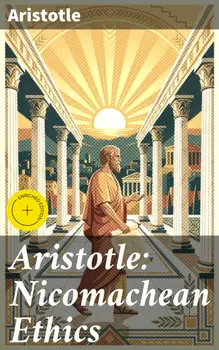
In "Nicomachean Ethics," Aristotle presents a foundational text in the study of moral philosophy, meticulously exploring the nature of the good life and the cultivation of virtue. Through a methodical and pragmatic approach, Aristotle delves into key concepts such as happiness (eudaimonia), moral virtue, and the role of reason in ethical decision-making. The work stands out for its blend of rigorous analytic thought and relatable examples, situating the discussion in the context of the classical Greek polis. Its influence extends beyond philosophy into multiple disciplines, inviting rich dialogues on ethics and personal responsibility. Aristotle, a student of Plato and tutor to Alexander the Great, draws upon his extensive experience in both philosophical inquiry and empirical observation to shape this pivotal ethical treatise. His familiarity with the political structures and moral dilemmas of ancient Greece informs his exploration of human behavior and the pursuit of a meaningful life. This work reflects his endeavor to synthesize the theoretical with the practical, grounded in his belief that ethics must permeate all aspects of human existence. Highly recommended for students of philosophy and anyone seeking to enhance their understanding of ethical principles, "Nicomachean Ethics" is an essential read. Aristotle'Äôs insights remain profoundly relevant, encouraging reflection on personal values and the pursuit of a virtuous life in contemporary society.

In this enriched edition, we have carefully created added value for your reading experience:

- A succinct Introduction situates the work's timeless appeal and themes.

- The Synopsis outlines the central plot, highlighting key developments without spoiling critical twists.

- A detailed Historical Context immerses you in the era's events and influences that shaped the writing.

- An Author Biography reveals milestones in the author's life, illuminating the personal insights behind the text.

- A thorough Analysis dissects symbols, motifs, and character arcs to unearth underlying meanings.

- Reflection questions prompt you to engage personally with the work's messages, connecting them to modern life.

- Hand‐picked Memorable Quotes shine a spotlight on moments of literary brilliance.

- Interactive footnotes clarify unusual references, historical allusions, and archaic phrases for an effortless, more informed read.

Kom i gang med denne boken i dag for 0 kr

  • Få full tilgang til alle bøkene i appen i prøveperioden
  • Ingen forpliktelser, si opp når du vil
Prøv gratis nå
Mer enn 52 000 personer har gitt Nextory 5 stjerner på App Store og Google Play.

Mer av Aristotle

  1. 4.3

    500 Quotes to Learn Wisdom from Classical Greek Philosophers

    Aristotle, Epictetus, – Heraclitus Ephesus, Plato, Socrates

  2. On the Motion of Animals

    Aristotle, Theodorus Gaza

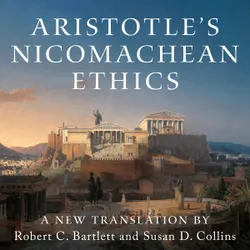
  3. Aristotle's Nicomachean Ethics

    Aristotle

  4. Rhetoric : The Art of Persuasion and Public Speaking

    Aristotle, Tim Zengerink

  5. Aristotle’s Complete Works on the Mind, Dreams, and the Nature of Thought : On Memory and Reminiscence, On Dreams & On Sleep and Sleeplessness

    Aristotle, Tim Zengerink

  6. 10 Masterpieces You Have to Read Before You Die, Vol.5 : The Odyssey, The Republic, Meditations, The Divine Comedy, Faust and others

    Homer, Plato, Aristotle, Marcus Aurelius, Niccolo Machiavelli, Dante Alighieri, Johann Wolfgang von Goethe, Leo Tolstoy

  7. 25+ The Big Book of Ancient Classics : The Odyssey by Homer, Meditations by Marcus Aurelius, The Republic by Plato, Poetics by Aristotle and others

    Aristotle, Aeschylus, Marcus Aurelius, Euripides, Hesiod, Homer, Plato, Sappho -, Sophocles

  8. 4.3

    Learn Wisdom with Classical Greek Philosophers: Plato, Socrates, Aristotle

    Aristotle, Plato, Socratess

  9. 33 Human Science Masterpieces You Must Read Before You Die. Illustrated : The Art of Public Speaking, The Meditations, The Kama Sutra and other masterpieces

    Edwin A. Abbott, Aristotle, Dale Carnegie, Gilbert Chesterton, René Descartes, Epictetus, Marcus Aurelius Antoninus, Sigmund Freud, Hermann Hesse, David Hume, Lao Tzu, Confucius, Swami Abhedananda, Anonimous, David Herbert Lawrence, Niccolò Machiavelli, Benedictus de Spinoza, John Mill, Prentice Mulford, Thomas More, Friedrich Nietzsche, J. Allanson Picton, Plato, Sun Tzu, Vatsyayana, Voltaire, H.G. Wells, Frances Bacon

  10. 33 Masterpieces of Philosophy and Science to Read Before You Die (Illustrated) : Utopia, The Meditations, The Art of War, The Kama Sutra, Candide

    Thomas More, Marcus Aurelius Antoninus, Sun Tzu, Vatsyayana, Voltaire, Edwin A. Abbott, Aristotle, Dale Carnegie, Gilbert Keith Chesterton, René Descartes, Epictetus, Sigmund Freud, Hermann Hesse, David Hume, Lao Tzu, David Herbert Lawrence, Niccolò Machiavelli, John Mill, Prentice Mulford, Friedrich Nietzsche, Plato, Bertrand Russell, H.G. Wells, Frances Bacon

  11. 4.0

    Nicomachean Ethics

    Aristotle

  12. Aristotle: Poetics, Ethics, Politics, and Categories

    Aristotle