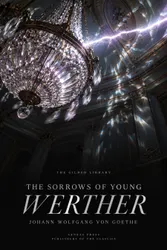
THE SORROWS OF YOUNG WERTHER (Literary Classics Series) : Enriched edition. Historical Romance Novel

In 'The Sorrows of Young Werther', Johann Wolfgang von Goethe crafts an epistolary novel that intricately explores themes of unrequited love, existential angst, and the struggle between individual desire and societal expectation. Set against the backdrop of late 18th-century Europe, the narrative unfolds through the letters of Werther, a sensitive young artist, whose infatuation with the engaged Charlotte leads him into a profound emotional turmoil. Goethe's lyrical prose and deep psychological insight reflect the burgeoning Romantic movement, emphasizing personal emotion over rationality and societal norms, thereby capturing the zeitgeist of an era poised between Enlightenment ideals and emerging Romantic sensibilities. Goethe, a leading figure in German literature, was shaped by his own experiences of love and interpersonal conflict. 'The Sorrows of Young Werther', published in 1774, was largely inspired by his unfulfilled affection for a woman named Charlotte Buff, intertwining autobiographical elements with rich philosophical inquiry. Goethe's varied interests in philosophy, natural science, and the arts inform the depth of Werther's character and the universality of his plight. This poignant tale remains a pivotal work for those intrigued by the complexities of human emotions. Readers seeking a profound exploration of love, despair, and identity will find Werther's journey resonates deeply, inviting reflection on their own experiences of love and loss. A timeless classic, Goethe's novel continues to captivate both the heart and mind.

In this enriched edition, we have carefully created added value for your reading experience:

- A succinct Introduction situates the work's timeless appeal and themes.

- The Synopsis outlines the central plot, highlighting key developments without spoiling critical twists.

- A detailed Historical Context immerses you in the era's events and influences that shaped the writing.

- An Author Biography reveals milestones in the author's life, illuminating the personal insights behind the text.

- A thorough Analysis dissects symbols, motifs, and character arcs to unearth underlying meanings.

- Reflection questions prompt you to engage personally with the work's messages, connecting them to modern life.

- Hand‐picked Memorable Quotes shine a spotlight on moments of literary brilliance.

- Interactive footnotes clarify unusual references, historical allusions, and archaic phrases for an effortless, more informed read.

Om denne boken

In 'The Sorrows of Young Werther', Johann Wolfgang von Goethe crafts an epistolary novel that intricately explores themes of unrequited love, existential angst, and the struggle between individual desire and societal expectation. Set against the backdrop of late 18th-century Europe, the narrative unfolds through the letters of Werther, a sensitive young artist, whose infatuation with the engaged Charlotte leads him into a profound emotional turmoil. Goethe's lyrical prose and deep psychological insight reflect the burgeoning Romantic movement, emphasizing personal emotion over rationality and societal norms, thereby capturing the zeitgeist of an era poised between Enlightenment ideals and emerging Romantic sensibilities. Goethe, a leading figure in German literature, was shaped by his own experiences of love and interpersonal conflict. 'The Sorrows of Young Werther', published in 1774, was largely inspired by his unfulfilled affection for a woman named Charlotte Buff, intertwining autobiographical elements with rich philosophical inquiry. Goethe's varied interests in philosophy, natural science, and the arts inform the depth of Werther's character and the universality of his plight. This poignant tale remains a pivotal work for those intrigued by the complexities of human emotions. Readers seeking a profound exploration of love, despair, and identity will find Werther's journey resonates deeply, inviting reflection on their own experiences of love and loss. A timeless classic, Goethe's novel continues to captivate both the heart and mind.

In this enriched edition, we have carefully created added value for your reading experience:

- A succinct Introduction situates the work's timeless appeal and themes.

- The Synopsis outlines the central plot, highlighting key developments without spoiling critical twists.

- A detailed Historical Context immerses you in the era's events and influences that shaped the writing.

- An Author Biography reveals milestones in the author's life, illuminating the personal insights behind the text.

- A thorough Analysis dissects symbols, motifs, and character arcs to unearth underlying meanings.

- Reflection questions prompt you to engage personally with the work's messages, connecting them to modern life.

- Hand‐picked Memorable Quotes shine a spotlight on moments of literary brilliance.

- Interactive footnotes clarify unusual references, historical allusions, and archaic phrases for an effortless, more informed read.
Kom i gang med denne boken i dag for 0 kr

  • Få full tilgang til alle bøkene i appen i prøveperioden
  • Ingen forpliktelser, si opp når du vil
Prøv gratis nå
Mer enn 52 000 personer har gitt Nextory 5 stjerner på App Store og Google Play.

  1. 4.0

    Faust

    Johann Wolfgang Goethe

  2. Ny

    Unge Werthers lidelser

    Johann Wolfgang Goethe

  3. Wilhelm Meister (Book 1&2) : Enriched edition. Wilhelm Meister's Apprenticeship & Wilhelm Meister's Journeyman Years

    Johann Wolfgang Goethe

  4. 2.0

    50 Clásicos que Debes Leer Antes de Morir: Tu Pasaporte a los Tesoros de la Literatura Universal

    Dante Alighieri, Aristóteles, Jane Austen, Charles Baudelaire, Giovanni Boccaccio, Anne Brontë, C. Collodi, James Fenimore Cooper, Fedor Mikhaïlovitch Dostoïevski, Arthur Conan Doyle, Alexandre Dumas, José de Espronceda, Gustave Flaubert, Sigmund Freud, Benito Pérez Galdós, Kahlil Gibran, Johann Wolfgang Goethe, Johann Wolfgang von Goethe, Victor Hugo, Thomas Hardy, Nathaniel Hawthorne, Vicente Blasco Ibáñez, Washington Irving, James Joyce, Mariano José de Larra, Jack London, Federico García Lorca, H.P. Lovecraft, Antonio Machado, Gustav Meyrink, John Stuart Mill, Amado Nervo, Friedrich Nietzsche, Solomon Northup, Alexander Sergeyevich Pushkin, Francisco de Quevedo, Walter Scott, William Shakespeare, Robert Louis Stevenson, Harriet Beecher Stowe, Jonathan Swift, Mark Twain, Miguel De Unamuno, Ramón María del Valle-Inclán, Julio Verne, Virginia Woolf

  5. The Collected Works of Love, Lust and Passion : PergamonMedia

    James Joyce, Vatsyayana, Anonymous, John Cleland, Leopold von Sacher-Masoch, Petronius Arbiter, Giovanni Boccaccio, Johann Wolfgang Goethe

  6. 17. juli

    Der Zauberlehrling : Ballade

    Johann Wolfgang Goethe

  7. 10. juli

    Der Erlkönig : Ballade

    Johann Wolfgang Goethe

  8. Ny

    50 Clásicos que Debes Leer Antes de Morir : Un viaje literario por los tesoros de la literatura universal

    Dante Alighieri, Aristóteles, Jane Austen, Charles Baudelaire, Giovanni Boccaccio, Anne Brontë, C. Collodi, James Fenimore Cooper, Fedor Mikhaïlovitch Dostoïevski, Arthur Conan Doyle, Alexandre Dumas, José de Espronceda, Gustave Flaubert, Sigmund Freud, Benito Pérez Galdós, Kahlil Gibran, Johann Wolfgang Goethe, Johann Wolfgang von Goethe, Victor Hugo, Thomas Hardy, Nathaniel Hawthorne, Vicente Blasco Ibáñez, Washington Irving, James Joyce, Mariano José de Larra, Jack London, Federico García Lorca, H.P. Lovecraft, Antonio Machado, Gustav Meyrink, John Stuart Mill, Amado Nervo, Friedrich Nietzsche, Solomon Northup, Alexander Sergeyevich Pushkin, Francisco de Quevedo, Walter Scott, William Shakespeare, Robert Louis Stevenson, Harriet Beecher Stowe, Jonathan Swift, Mark Twain, Miguel De Unamuno, Ramón María del Valle-Inclán, Julio Verne, Virginia Woolf

  9. #54

    Epistolario estético Schiller‐Goethe : Una antología

    Friedrich Schiller, Johann Wolfgang Goethe

  10. Las afinidades electivas

    Johann Wolfgang Goethe

  11. 50 Clásicos que debes leer antes de morir

    Dante Alighieri, Aristóteles, Jane Austen, Charles Baudelaire, Giovanni Boccaccio, Anne Brontë, C. Collodi, James Fenimore Cooper, Fedor Mikhaïlovitch Dostoïevski, Arthur Conan Doyle, Alexandre Dumas, José de Espronceda, Gustave Flaubert, Sigmund Freud, Benito Pérez Galdós, Kahlil Gibran, Johann Wolfgang Goethe, Johann Wolfgang von Goethe, Victor Hugo, Thomas Hardy, Nathaniel Hawthorne, Vicente Blasco Ibáñez, Washington Irving, James Joyce, Mariano José de Larra, Jack London, Federico García Lorca, H.P. Lovecraft, Antonio Machado, Gustav Meyrink, John Stuart Mill, Amado Nervo, Friedrich Nietzsche, Solomon Northup, Alexander Sergeyevich Pushkin, Francisco de Quevedo, Walter Scott, William Shakespeare, Robert Louis Stevenson, Harriet Beecher Stowe, Jonathan Swift, Mark Twain, Miguel De Unamuno, Ramón María del Valle-Inclán, Julio Verne, Virginia Woolf

  12. 50 Clásicos que debes leer antes de morir : Las Obras Inmortales de la Literatura Universal en un Solo Volumen

    Dante Alighieri, Aristóteles, Jane Austen, Charles Baudelaire, Giovanni Boccaccio, Anne Brontë, C. Collodi, James Fenimore Cooper, Fedor Mikhaïlovitch Dostoïevski, Arthur Conan Doyle, Alexandre Dumas, José de Espronceda, Gustave Flaubert, Sigmund Freud, Benito Pérez Galdós, Kahlil Gibran, Johann Wolfgang Goethe