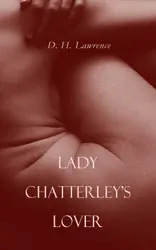
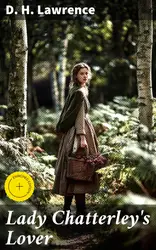
Lady Chatterleys Lover

We rely on your support to help us keep producing beautiful, free, and unrestricted editions of literature for the digital age. Will you support our efforts with a donation ? One of the most controversial novels of the twentieth century, Lady Chatterley's Lover follows the story of Lady Constance Chatterley, unhappily married to disabled World War I veteran and coal tycoon Sir Clifford Chatterley, as she takes as a lover the gamekeeper of her estate, Oliver Mellors, a working class man of the earth. Constance struggles with the guilt of her infidelity, but realizes that her marriage is over and wants to get more out of her life. Oliver, a veteran himself with some education, enjoys her company but worries about his own position in society. Like D. H. Lawrence's earlier novels Women in Love and The Rainbow , this novel describes in detail the sexual encounters between the two lovers, doing so using language that was shocking at the time. It was subsequently banned in many countries and for years was only available through underground means. It was not until 1960 that the full, unexpurgated edition was finally able to be published in its native United Kingdom, after being the subject of a court case about freedom of speech and the idea of redeeming social or literary value trumping any notions of obscenity in works of art. The novel's victory at trial is seen by many as the moment Britain began changing into a permissive society. As with other Lawrence novels, the novel features commentary on industrialization, the dying coal industry, and the societal class structure of England, but these themes are to this day still largely obscured by the book's sexual content and the surrounding scandal.
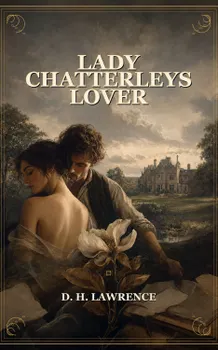
Über dieses Buch

We rely on your support to help us keep producing beautiful, free, and unrestricted editions of literature for the digital age. Will you support our efforts with a donation ? One of the most controversial novels of the twentieth century, Lady Chatterley's Lover follows the story of Lady Constance Chatterley, unhappily married to disabled World War I veteran and coal tycoon Sir Clifford Chatterley, as she takes as a lover the gamekeeper of her estate, Oliver Mellors, a working class man of the earth. Constance struggles with the guilt of her infidelity, but realizes that her marriage is over and wants to get more out of her life. Oliver, a veteran himself with some education, enjoys her company but worries about his own position in society. Like D. H. Lawrence's earlier novels Women in Love and The Rainbow , this novel describes in detail the sexual encounters between the two lovers, doing so using language that was shocking at the time. It was subsequently banned in many countries and for years was only available through underground means. It was not until 1960 that the full, unexpurgated edition was finally able to be published in its native United Kingdom, after being the subject of a court case about freedom of speech and the idea of redeeming social or literary value trumping any notions of obscenity in works of art. The novel's victory at trial is seen by many as the moment Britain began changing into a permissive society. As with other Lawrence novels, the novel features commentary on industrialization, the dying coal industry, and the societal class structure of England, but these themes are to this day still largely obscured by the book's sexual content and the surrounding scandal.
Starte noch heute mit diesem Buch für CHF 0

  • Hole dir während der Testphase vollen Zugriff auf alle Bücher in der App
  • Keine Verpflichtungen, jederzeit kündbar
Jetzt kostenlos testen
Mehr als 52 000 Menschen haben Nextory im App Store und auf Google Play 5 Sterne gegeben.

  1. 50 Klassiker des Feminismus - Bücher, die man kennen muss : Das Erwachen, Lelia, Jane Eyre, Neue Amazonia, Die gelbe Tapete, Mrs Dalloway, Kleine Frauen, Verteidigung der Rechte der Frau, Meine brillante Karriere

    Kate Chopin, Charlotte Perkins Gilman, Virginia Woolf, Charlotte Brontë, George Sand, Louisa May Alcott, Jane Austen, L.M. Montgomery, Victor Hugo, Daniel Defoe, Nathaniel Hawthorne, Wilhelmine von Hillern, Adalbert Stifter, Luise Ahlborn, George Eliot, Lou Andreas-Salomé, D. H. Lawrence, Henry James, Margaret Mitchell, Edith Wharton, Miles Franklin, Willa Cather, Leo Tolstoi, Henrik Ibsen, Elizabeth Gaskell, Nikolai Semjonowitsch Leskow, Theodore Dreiser, Elizabeth von Arnim, Colette, Emmeline Pankhurst, Louise Aston, Bertha von Suttner, Hedwig Dohm, Mary Wollstonecraft, Elizabeth Cady Stanton, Matilda Joslyn Gage, John Stuart Mill, Thomas Hardy, Sinclair Lewis, Elizabeth Burgoyne Corbett, Anne Brontë

  2. Neu
    4.2

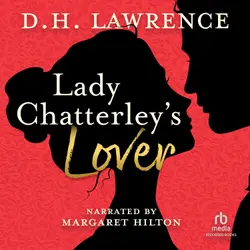
    Lady Chatterley's Lover

    D. H. Lawrence

  3. 4.2

    Lady Chatterley's Lover

    D. H. Lawrence

  4. Neu

    Der Eindringling : Psychodrama der Frühen Moderne

    D. H. Lawrence

  5. Neu

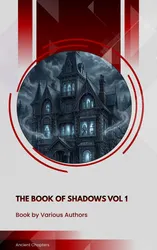
    The Book of Shadows Vol 1

    Sir Arthur Quiller-Couch, Robert W. Chambers, H.G. Wells, Beatrix Potter, Edith Nesbit, Barry Pain, E F Benson, D. H. Lawrence, Thomas Burke

  6. Neu

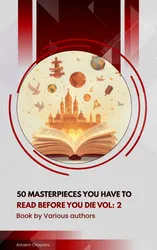
    50 Masterpieces You Must Read Before You Die : Timeless Classics That Will Enrich Your Mind and Soul

    Louisa May Alcott, Jane Austen, Joseph Conrad, D. H. Lawrence, George Eliot, Leo Tolstoy, James Joyce, Charles Dickens, Bram Stoker, Oscar Wilde, Honoré de Balzac, Edgar Rice Burroughs, Anne Brontë, Charlotte Brontë, Emily Brontë, Lewis Carroll, Willa Cather, Miguel de Cervantes, E. E. Cummings, Fyodor Dostoyevsky, Daniel Defoe, Arthur Conan Doyle, Alexandre Dumas, Gustave Flaubert, Henry James, Victor Hugo

  7. 4.2

    Lady Chatterley's Lover

    D. H. Lawrence

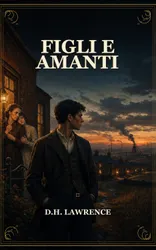
  8. Figli e amanti

    D. H. Lawrence

  9. The Book of Shadows Vol 1

    Sir Arthur Quiller-Couch, Robert W. Chambers, H.G. Wells, Beatrix Potter, Edith Nesbit, Barry Pain, E F Benson, D. H. Lawrence, Thomas Burke

  10. 50 Masterpieces you have to read before you die vol: 2

    Louisa May Alcott, Jane Austen, Joseph Conrad, D. H. Lawrence, George Eliot, Leo Tolstoy, James Joyce, Charles Dickens, Bram Stoker, Oscar Wilde, Honoré de Balzac, Edgar Rice Burroughs, Anne Brontë, Charlotte Brontë, Emily Brontë, Lewis Carroll, Willa Cather, Miguel de Cervantes, E. Cummings, Fyodor Dostoyevsky, Daniel Defoe, Arthur Conan Doyle, Alexandre Dumas, Gustave Flaubert, Henry James, Victor Hugo

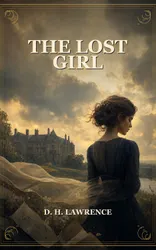
  11. The Lost Girl

    D. H. Lawrence