Tess Of The Durbervilles

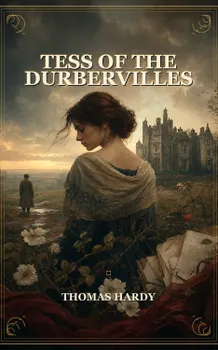
Tess of the d'Urbervilles is said to be Thomas Hardy's fictional masterpiece and is considered to be an important nineteenth century novel. It explores themes of love, sex, class and morality in an aching love story. It initially appeared in a censored, serialised version in The Graphic in 1891 and was published in a single volume the following year. Early reviews were mixed, partly because of its challenge to Victorian sexual morals—it is now looked upon much more favorably. Tess Durbeyfield is the oldest child of uneducated peasants who are given the impression that they may have noble blood, as their surname is a corruption of that of an extinct Norman family. When Tess participates in the village May Dance, she meets Angel, who stops to join the dance but notices Tess too late to dance with her. That night, Tess's father gets too drunk to drive to the market, so she undertakes the journey herself. However, she falls asleep at the reins, and the family's only horse encounters a speeding wagon and is fatally wounded. Tess feels so guilty over the consequences for the family that she agrees to try to claim kin with a rich widow who lives in a neighbouring town. The story traces Tess's life through the following years. The novel has been adapted for the stage, theatre, opera, cinema and television numerous times since its publication. Thomas Hardy (died 1928) was a major literary figure of the early 20th century. Their work has endured across generations and continues to be read and studied worldwide. As a work of classic literary fiction, Tess Of The Durbervilles exemplifies the narrative craft and social insight that defined great storytelling of its era. Literary fiction of this period was characterized by careful attention to character psychology, social milieu, and the moral questions that animated public discourse.
Über dieses Buch

Tess of the d'Urbervilles is said to be Thomas Hardy's fictional masterpiece and is considered to be an important nineteenth century novel. It explores themes of love, sex, class and morality in an aching love story. It initially appeared in a censored, serialised version in The Graphic in 1891 and was published in a single volume the following year. Early reviews were mixed, partly because of its challenge to Victorian sexual morals—it is now looked upon much more favorably. Tess Durbeyfield is the oldest child of uneducated peasants who are given the impression that they may have noble blood, as their surname is a corruption of that of an extinct Norman family. When Tess participates in the village May Dance, she meets Angel, who stops to join the dance but notices Tess too late to dance with her. That night, Tess's father gets too drunk to drive to the market, so she undertakes the journey herself. However, she falls asleep at the reins, and the family's only horse encounters a speeding wagon and is fatally wounded. Tess feels so guilty over the consequences for the family that she agrees to try to claim kin with a rich widow who lives in a neighbouring town. The story traces Tess's life through the following years. The novel has been adapted for the stage, theatre, opera, cinema and television numerous times since its publication. Thomas Hardy (died 1928) was a major literary figure of the early 20th century. Their work has endured across generations and continues to be read and studied worldwide. As a work of classic literary fiction, Tess Of The Durbervilles exemplifies the narrative craft and social insight that defined great storytelling of its era. Literary fiction of this period was characterized by careful attention to character psychology, social milieu, and the moral questions that animated public discourse.
Starte noch heute mit diesem Buch für CHF 0

  • Hole dir während der Testphase vollen Zugriff auf alle Bücher in der App
  • Keine Verpflichtungen, jederzeit kündbar
Jetzt kostenlos testen
Mehr als 52 000 Menschen haben Nextory im App Store und auf Google Play 5 Sterne gegeben.

  1. 4. Dez.

    7 Best Short Stories - Thomas Hardy

    Thomas Hardy, August Nemo

  2. Neu

    50 Clásicos que Debes Leer Antes de Morir : Un viaje literario por los tesoros de la literatura universal

    Dante Alighieri, Aristóteles, Jane Austen, Charles Baudelaire, Giovanni Boccaccio, Anne Brontë, C. Collodi, James Fenimore Cooper, Fedor Mikhaïlovitch Dostoïevski, Arthur Conan Doyle, Alexandre Dumas, José de Espronceda, Gustave Flaubert, Sigmund Freud, Benito Pérez Galdós, Kahlil Gibran, Johann Wolfgang Goethe, Johann Wolfgang von Goethe, Victor Hugo, Thomas Hardy, Nathaniel Hawthorne, Vicente Blasco Ibáñez, Washington Irving, James Joyce, Mariano José de Larra, Jack London, Federico García Lorca, H.P. Lovecraft, Antonio Machado, Gustav Meyrink, John Stuart Mill, Amado Nervo, Friedrich Nietzsche, Solomon Northup, Alexander Sergeyevich Pushkin, Francisco de Quevedo, Walter Scott, William Shakespeare, Robert Louis Stevenson, Harriet Beecher Stowe, Jonathan Swift, Mark Twain, Miguel De Unamuno, Ramón María del Valle-Inclán, Julio Verne, Virginia Woolf

  3. Neu

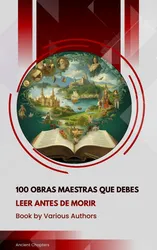
    100 Obras Maestras Que Debes Leer Antes De Morir

    Francis Scott Fitzgerald, Mary Shelley, Lyman Frank Baum, Edith Nesbit, Dante Alighieri, Jane Austen, Ambrose Bierce, Emily Brontë, Edgar Rice Burroughs, Lewis Carroll, Wilkie Collins, René Descartes, Charles Dickens, Emily Dickinson, Alexandre Dumas, Gustave Flaubert, Benito Pérez Galdós, Johann Wolfgang von Goethe, Thomas Hardy, E T A Hoffmann, Washington Irving, Henry James, James Joyce, Franz Kafka, Gaston Leroux, Federico García Lorca, H.P. Lovecraft, Publio Virgilio Marón, Lucy Maud Montgomery, John William Polidori, Marco Polo, Antoine de Saint-Exupéry, Emilio Salgari, Walter Scott, Mark Twain, Jules Verne, H.G. Wells, Edith Wharton, Mary Wollstonecraft, Fernando de Rojas

  4. Neu

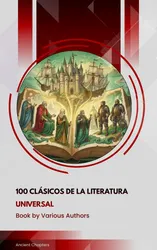
    100 Clásicos de la Literatura Universal

    Francis Scott Fitzgerald, Mary Shelley, Lyman Frank Baum, Louisa May Alcott, Dante Alighieri, Jane Austen, Ambrose Bierce, Emily Brontë, Edgar Rice Burroughs, Lewis Carroll, Wilkie Collins, René Descartes, Charles Dickens, Emily Dickinson, Alexandre Dumas, Gustave Flaubert, Benito Pérez Galdós, Johann Wolfgang von Goethe, Thomas Hardy, E T A Hoffmann, Washington Irving, Henry James, James Joyce, Franz Kafka, Gaston Leroux, Federico García Lorca, H.P. Lovecraft, Publio Virgilio Marón, Lucy Maud Montgomery, John William Polidori, Marco Polo, Antoine de Saint-Exupéry, Emilio Salgari, Walter Scott, Mark Twain, Jules Verne, Julio Verne, H.G. Wells, Edith Wharton, Mary Wollstonecraft, Stefan Zweig, Sun Tzu, Bram Stoker, - Aristoteles, George Bernard Shaw, Henryk Sienkiewicz, Concepción Arenal, Charlotte Brontë, Miguel de Cervantes, G.K. Chesterton, Daniel Defoe, Fyodor Mikhailovich Dostoyevsky, Arthur Conan Doyle, Sigmund Freud, H. Rider Haggard, Homero, Immanuel Kant, Rudyard Kipling, Molière, Friedrich Nietzsche, Fernando de Rojas, Sófocles, William Makepeace Thackeray, León Tolstói, Voltaire, Ramón María del Valle-Inclán, Oscar Wilde, Virginia Woolf

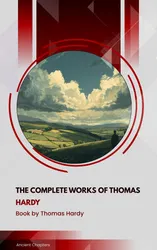
  5. The Complete Works of Thomas Hardy

    Thomas Hardy

  6. 30 Suspense and Thriller Masterpieces

    Marcel Allain, Grant Allen, John Buchan, Edgar Rice Burroughs, Gilbert Keith Chesterton, Erskine Childers, Wilkie Collins, Arthur Griffiths, Henry Rider Haggard, Thomas Hardy, Anthony Hope, William Andrew Johnston, Frederic Arnold Kummer, William Le Queux, Frank Norris, Edward Phillips Oppenheim, Mary Roberts Rinehart, Allen Upward, Louis Joseph Vance, Edgar Wallace, Fred Merrick White

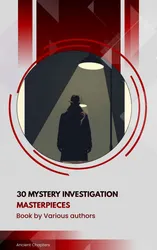
  7. 30 Mystery Investigation Masterpieces

    Ryūnosuke Akutagawa, Gilbert Keith Chesterton, Wilkie Collins, Arthur Conan Doyle, Hanns Heinz Ewers, Hollis Godfrey, Thomas Hardy, William Le Queux, Maurice Leblanc, Gaston Leroux, Catherine Louisa Pirkis, Edgar Allan Poe, Frank R. Stockton, Mark Twain, Jules Verne, Carolyn Wells, Fred Merrick White

  8. 4.5

    Tess of the d'Urbervilles

    Thomas Hardy

  9. 1.5

    The Return Of The Native

    Thomas Hardy

  10. Short Fiction

    Thomas Hardy

  11. 3.8

    Far From The Madding Crowd

    Thomas Hardy