The Age of Innocence

A world ruled by tradition. A love constrained by society. A choice between duty and desire.

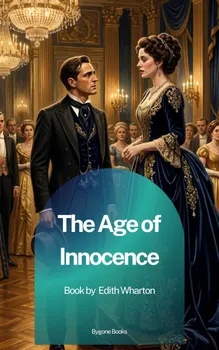
The Age of Innocence is a Pulitzer Prize–winning novel by Edith Wharton, offering a sharp and elegant portrait of elite New York society in the late 19th century.

The story follows Newland Archer, a young lawyer engaged to the respectable May Welland, whose orderly life is disrupted by the arrival of the unconventional Countess Ellen Olenska. As Newland becomes emotionally drawn to Ellen, he is forced to confront the strict social rules, expectations, and unspoken codes that govern his world.

Through refined prose and deep psychological insight, Wharton explores themes of love, conformity, freedom, and the hidden costs of social acceptance.

A timeless classic of American literature, The Age of Innocence remains a powerful study of desire, restraint, and the boundaries imposed by society.

Über dieses Buch

A world ruled by tradition. A love constrained by society. A choice between duty and desire.

The Age of Innocence is a Pulitzer Prize–winning novel by Edith Wharton, offering a sharp and elegant portrait of elite New York society in the late 19th century.

The story follows Newland Archer, a young lawyer engaged to the respectable May Welland, whose orderly life is disrupted by the arrival of the unconventional Countess Ellen Olenska. As Newland becomes emotionally drawn to Ellen, he is forced to confront the strict social rules, expectations, and unspoken codes that govern his world.

Through refined prose and deep psychological insight, Wharton explores themes of love, conformity, freedom, and the hidden costs of social acceptance.

A timeless classic of American literature, The Age of Innocence remains a powerful study of desire, restraint, and the boundaries imposed by society.

Starte noch heute mit diesem Buch für CHF 0

  • Hole dir während der Testphase vollen Zugriff auf alle Bücher in der App
  • Keine Verpflichtungen, jederzeit kündbar
Jetzt kostenlos testen
Mehr als 52 000 Menschen haben Nextory im App Store und auf Google Play 5 Sterne gegeben.

  1. 50 Klassiker des Feminismus - Bücher, die man kennen muss : Das Erwachen, Lelia, Jane Eyre, Neue Amazonia, Die gelbe Tapete, Mrs Dalloway, Kleine Frauen, Verteidigung der Rechte der Frau, Meine brillante Karriere

    Kate Chopin, Charlotte Perkins Gilman, Virginia Woolf, Charlotte Brontë, George Sand, Louisa May Alcott, Jane Austen, L.M. Montgomery, Victor Hugo, Daniel Defoe, Nathaniel Hawthorne, Wilhelmine von Hillern, Adalbert Stifter, Luise Ahlborn, George Eliot, Lou Andreas-Salomé, D. H. Lawrence, Henry James, Margaret Mitchell, Edith Wharton, Miles Franklin, Willa Cather, Leo Tolstoi, Henrik Ibsen, Elizabeth Gaskell, Nikolai Semjonowitsch Leskow, Theodore Dreiser, Elizabeth von Arnim, Colette, Emmeline Pankhurst, Louise Aston, Bertha von Suttner, Hedwig Dohm, Mary Wollstonecraft, Elizabeth Cady Stanton, Matilda Joslyn Gage, John Stuart Mill, Thomas Hardy, Sinclair Lewis, Elizabeth Burgoyne Corbett, Anne Brontë

  2. 25. Aug.

    Ethan Frome

    Edith Wharton

  3. 18. Aug.

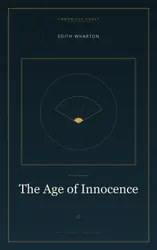
    The Age of Innocence

    Edith Wharton

  4. Neu

    Ethan Frome

    Edith Wharton

  5. Summer

    Edith Wharton

  6. Neu

    The Glimpses of the Moon

    Edith Wharton

  7. Neu

    The Age of Innocence

    Edith Wharton

  8. Neu

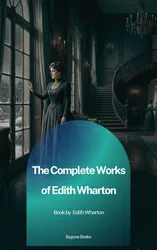
    The Complete Works of Edith Wharton

    Edith Wharton

  9. 3.0

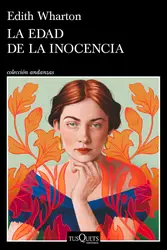
    La edad de la inocencia

    Edith Wharton

  10. 100 Obras Maestras Que Debes Leer Antes De Morir

    Francis Scott Fitzgerald, Mary Shelley, Lyman Frank Baum, Edith Nesbit, Dante Alighieri, Jane Austen, Ambrose Bierce, Emily Brontë, Edgar Rice Burroughs, Lewis Carroll, Wilkie Collins, René Descartes, Charles Dickens, Emily Dickinson, Alexandre Dumas, Gustave Flaubert, Benito Pérez Galdós, Johann Wolfgang von Goethe, Thomas Hardy, E T A Hoffmann, Washington Irving, Henry James, James Joyce, Franz Kafka, Gaston Leroux, Federico García Lorca, H.P. Lovecraft, Publio Virgilio Marón, Lucy Maud Montgomery, John William Polidori, Marco Polo, Antoine de Saint-Exupéry, Emilio Salgari, Walter Scott, Mark Twain, Jules Verne, H.G. Wells, Edith Wharton, Mary Wollstonecraft, Fernando de Rojas

  11. 100 Clásicos de la Literatura Universal

    Francis Scott Fitzgerald, Mary Shelley, Lyman Frank Baum, Louisa May Alcott, Dante Alighieri, Jane Austen, Ambrose Bierce, Emily Brontë, Edgar Rice Burroughs, Lewis Carroll, Wilkie Collins, René Descartes, Charles Dickens, Emily Dickinson, Alexandre Dumas, Gustave Flaubert, Benito Pérez Galdós, Johann Wolfgang von Goethe, Thomas Hardy, E T A Hoffmann, Washington Irving, Henry James, James Joyce, Franz Kafka, Gaston Leroux, Federico García Lorca, H.P. Lovecraft, Publio Virgilio Marón, Lucy Maud Montgomery, John William Polidori, Marco Polo, Antoine de Saint-Exupéry, Emilio Salgari, Walter Scott, Mark Twain, Jules Verne, Julio Verne, H.G. Wells, Edith Wharton, Mary Wollstonecraft, Stefan Zweig, Sun Tzu, Bram Stoker, - Aristoteles, George Bernard Shaw, Henryk Sienkiewicz, Concepción Arenal, Charlotte Brontë, Miguel de Cervantes, G.K. Chesterton, Daniel Defoe, Fyodor Mikhailovich Dostoyevsky, Arthur Conan Doyle, Sigmund Freud, H. Rider Haggard, Homero, Immanuel Kant, Rudyard Kipling, Molière, Friedrich Nietzsche, Fernando de Rojas, Sófocles, William Makepeace Thackeray, León Tolstói, Voltaire, Ramón María del Valle-Inclán, Oscar Wilde, Virginia Woolf