Über dieses Buch

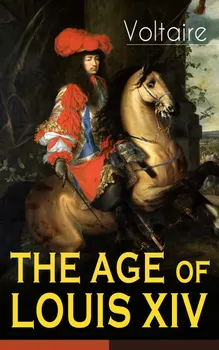
Voltaire's The Age of Louis XIV is less a conventional royal biography than a sweeping cultural history of seventeenth-century Europe, centered on France's political ascendancy and artistic brilliance under the Sun King. Written in lucid, elegant Enlightenment prose, it treats wars, diplomacy, administration, literature, philosophy, religion, and manners as interlocking expressions of civilization. In literary context, the work helped redefine historiography by shifting attention from dynastic chronicle to the progress of arts, ideas, and social institutions. Voltaire, the great philosophe of the French Enlightenment, brought to the book his lifelong fascination with reason, toleration, and the power of culture to shape public life. His experiences at court, his exile in England, and his admiration for intellectual freedom sharpened his comparative judgment. Though critical of fanaticism and political excess, he saw in Louis XIV's reign a moment when patronage, order, and genius combined to produce enduring achievements. This book is recommended to readers interested in Enlightenment history, French classicism, and the origins of modern cultural criticism. It offers not only a portrait of an age, but also Voltaire's persuasive argument that history should measure greatness by civilization as much as by conquest.

This enriched edition has been carefully crafted to add value to your reading experience.

- A succinct Introduction situates the work's timeless appeal and themes.

- The Synopsis outlines the central plot, highlighting key developments without spoiling critical twists.

- A detailed Historical Context immerses you in the era's events and influences that shaped the writing.

- An Author Biography reveals milestones in the author's life, illuminating the personal insights behind the text.

- A thorough Analysis dissects symbols, motifs, and character arcs to unearth underlying meanings.

- Reflection questions prompt you to engage personally with the work's messages, connecting them to modern life.

- Hand‐picked Memorable Quotes shine a spotlight on moments of literary brilliance.

- Interactive footnotes clarify unusual references, historical allusions, and archaic phrases for an effortless, more informed read.


Starte noch heute mit diesem Buch für CHF 0

  • Hole dir während der Testphase vollen Zugriff auf alle Bücher in der App
  • Keine Verpflichtungen, jederzeit kündbar
Jetzt kostenlos testen
Mehr als 52 000 Menschen haben Nextory im App Store und auf Google Play 5 Sterne gegeben.

  1. Die wichtigsten Klassiker der französischen Literatur (Kommentiert) : Erweiterte Ausgabe. Die Elenden, Der Graf von Monte Christo, Die Prinzessin von Clèves, Madame Bovary, Der Misanthrop…

    Stendhal, Jules Verne, Gustave Flaubert, Honoré de Balzac, Anatole France, Victor Hugo, Alphonse Daudet, Guy De Maupassant, Edmond Rostand, Alexandre Dumas, François Rabelais, George Sand, Marcel Proust, Alfred de Musset, Charles Baudelaire, Denis Diderot, Pierre Corneille, Voltaire, Joris-Karl Huysmans, Jean Giraudoux, Marquis De Sade, Jean-Jacques Rousseau, Emile Zola, Pierre de Beaumarchais, Pierre Ambroise Laclos, Marie-Madeleine de Fayette, Antoine-François Prévost, François René Chateaubriand, Guillaume de Lorris, Moliere, Jean Baptiste Racine

  2. Die beliebtesten Klassiker der französischen Literatur (Kommentiert) : Erweiterte Ausgabe. Der Graf von Monte Christo, Der Glöckner von Notre-Dame, Madame Bovary, Bel Ami…

    Stendhal, Jules Verne, Gustave Flaubert, Honoré de Balzac, Anatole France, Victor Hugo, Alphonse Daudet, Guy De Maupassant, Edmond Rostand, Alexandre Dumas, François Rabelais, George Sand, Marcel Proust, Alfred de Musset, Charles Baudelaire, Denis Diderot, Pierre Corneille, Voltaire, Joris-Karl Huysmans, Jean Giraudoux, Marquis De Sade, Jean-Jacques Rousseau, Emile Zola, Pierre de Beaumarchais, Pierre Ambroise Laclos, Marie-Madeleine de Fayette, Antoine-François Prévost, François René Chateaubriand, Guillaume de Lorris, Moliere, Jean Baptiste Racine

  3. Neu

    Zadig o el destino

    Voltaire

  4. Neu

    Traité sur la tolérance : À l’occasion de la mort de Jean Calas

    Voltaire

  5. Neu

    Die größten Klassiker der französischen Literatur

    Victor Hugo, Marcel Proust, Voltaire, George Sand, Emile Zola, Gustave Flaubert, Honoré de Balzac, François Rabelais, Alexandre Dumas, Charles Baudelaire, Stendhal, Denis Diderot, Jean-Jacques Rousseau, Marie-Madeleine de Fayette, Alphonse Daudet

  6. Neu
    5.0

    Candide : Adapted for French learners - In useful French words for conversation - French Intermediate

    Voltaire

  7. The Dawn of Science Fiction : The Visionaries Who Imagined Tomorrow First

    H.G. Wells, Mary Shelley, Voltaire, Jack London, Frank R. Stockton, Edgar Allan Poe

  8. Beyond the Stars 6 : Explore Strange Worlds Beyond the Final Frontier

    Arthur C. Clarke, Fredric Brown, Mack Reynolds, Alfred Coppel, Andre Norton, Robert F. Young, Ray Bradbury, Henry Hasse, Jack Williamson, Gene L. Henderson, Frank M. Robinson, Robert Sheckley, Bryce Walton, Mike Curry, Voltaire, William Oberfield, Donald A. Wollheim, Charles Einstein, Frederik Pohl, Ray Cummings, Alfred Bester

  9. 100 Klassiker der Geschichtsschreibung : Die Geschichte des Alten Ägypten, Der Alexanderzug, Römische Geschichte, Herbst des Mittelalters, Die russische Revolution, Der Kampf um Europa

    Edward Gibbon, Leopold von Ranke, J. B. Bury, Theodor Mommsen, Herodot, Thukydides, Xenophon, Arrian, Titus Livius, Tacitus, Gaius Iulius Caesar, Sueton, Polybios, Ammianus Marcellinus, Plutarch, Diogenes Laërtios, Eusebius, Prokop von Cäsarea, Anna Komnena, Agathias, Marc Bloch, L. W. King, George Rawlinson, Edward Bulwer-Lytton, Jacob Burckhardt, Joseph François Michaud, Johan Huizinga, Arthur Middleton Reeves, Niccolò Machiavelli, G.K. Chesterton, Voltaire, Friedrich Schiller, Ricarda Huch, Thomas Carlyle, Charles Downer Hazen, Egon Friedell, Walter Benjamin

  10. 100 Große Geschichtsbücher - Klassiker, die man kennen muss : Der Peloponnesische Krieg, Der Alexanderzug, Ab Urbe Condita, Napoleonische Kriege, Geschichte des Ersten und Zweiten Weltkriegs

    Tacitus, Thukydides, Plutarch, Theodor Mommsen, Edward Gibbon, Leopold von Ranke, Ricarda Huch, Helmuth von Moltke, Xenophon, Arrian, Titus Livius, Gaius Iulius Caesar, Sueton, Polybios, Ammianus Marcellinus, Diogenes Laërtios, Eusebius, Prokop von Cäsarea, Anna Komnena, Agathias, Marc Bloch, George Rawlinson, Edward Bulwer-Lytton, Jacob Burckhardt, Joseph François Michaud, Johan Huizinga, Niccolò Machiavelli, G.K. Chesterton, Voltaire, Friedrich Schiller, Thomas Carlyle, Charles Downer Hazen, Egon Friedell, Walter Benjamin

  11. Memnón : O la Sabiduría Humana

    Voltaire

  12. Die größten Klassiker der französischen Literatur

    Victor Hugo, Marcel Proust, Voltaire, George Sand, Emile Zola, Gustave Flaubert, Honoré de Balzac, François Rabelais, Alexandre Dumas, Charles Baudelaire, Stendhal, Denis Diderot, Jean-Jacques Rousseau, Marie-Madeleine La Fayette, Alphonse Daudet