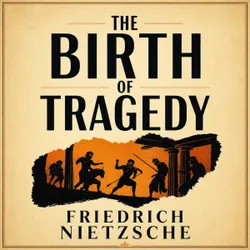
The Birth of Tragedy : Understanding Art, Culture, and Human Nature

What if art holds the key to understanding the deepest truths of life, culture, and human nature?

The Birth of Tragedy brings Friedrich Nietzsche’s groundbreaking exploration of art and its impact on human existence into the modern age. Originally written as a celebration of ancient Greek tragedy, this book examines how the tension between order (Apollonian) and chaos (Dionysian) drives the creation of art, culture, and meaning.

This is not just a philosophical treatise—it’s an invitation to embrace life’s beauty and complexity. Nietzsche’s vision inspires readers to see the world through the lens of art, recognize the transformative power of creativity, and find meaning in both joy and suffering.

What You’ll Discover in This Modern Translation:

- The Power of Art and Culture – Understand how art reflects and shapes human experience, from ancient Greece to today.

- The Balance of Order and Chaos – Explore Nietzsche’s revolutionary concepts of the Apollonian and Dionysian forces in creativity and life.

- Insights into Human Nature – Gain a deeper understanding of the struggles and triumphs that define the human condition.

- Timeless Lessons for Modern Life – Learn how Nietzsche’s philosophy can guide you in navigating today’s challenges with wisdom and resilience.

Imagine seeing the world through new eyes—finding meaning in life’s contradictions, embracing creativity, and discovering the power of art to transform how you think and feel. The Birth of Tragedy is a timeless guide to understanding the profound truths of existence.

Take the first step toward a deeper appreciation of art, culture, and humanity. Get your copy today and unlock Nietzsche’s enduring wisdom for a modern world.

Über dieses Buch

What if art holds the key to understanding the deepest truths of life, culture, and human nature?

The Birth of Tragedy brings Friedrich Nietzsche’s groundbreaking exploration of art and its impact on human existence into the modern age. Originally written as a celebration of ancient Greek tragedy, this book examines how the tension between order (Apollonian) and chaos (Dionysian) drives the creation of art, culture, and meaning.

This is not just a philosophical treatise—it’s an invitation to embrace life’s beauty and complexity. Nietzsche’s vision inspires readers to see the world through the lens of art, recognize the transformative power of creativity, and find meaning in both joy and suffering.

What You’ll Discover in This Modern Translation:

- The Power of Art and Culture – Understand how art reflects and shapes human experience, from ancient Greece to today.

- The Balance of Order and Chaos – Explore Nietzsche’s revolutionary concepts of the Apollonian and Dionysian forces in creativity and life.

- Insights into Human Nature – Gain a deeper understanding of the struggles and triumphs that define the human condition.

- Timeless Lessons for Modern Life – Learn how Nietzsche’s philosophy can guide you in navigating today’s challenges with wisdom and resilience.

Imagine seeing the world through new eyes—finding meaning in life’s contradictions, embracing creativity, and discovering the power of art to transform how you think and feel. The Birth of Tragedy is a timeless guide to understanding the profound truths of existence.

Take the first step toward a deeper appreciation of art, culture, and humanity. Get your copy today and unlock Nietzsche’s enduring wisdom for a modern world.

Starte noch heute mit diesem Buch für CHF 0

  • Hole dir während der Testphase vollen Zugriff auf alle Bücher in der App
  • Keine Verpflichtungen, jederzeit kündbar
Jetzt kostenlos testen
Mehr als 52 000 Menschen haben Nextory im App Store und auf Google Play 5 Sterne gegeben.

  1. Neu

    Schopenhauer als Erzieher : Unzeitgemäße Betrachtungen, Drittes Stück

    Friedrich Nietzsche

  2. Unzeitgemäße Betrachtungen Band 1

    Friedrich Nietzsche

  3. Lyrikalikus 239

    Friedrich Nietzsche

  4. 5.0

    Friedrich Nietzsche: Also sprach Zarathustra. Ein Buch für Alle und Keinen : Ein dichterisch-philosophisches Meisterwerk. Ungekürzt gelesen.

    Friedrich Nietzsche

  5. Neu

    Ausgewählte Briefe. Ein Grundlagenwerk der Philosophie. : Hörbuchzeit: Klassiker der Weltliteratur

    Hörbuchzeit, Friedrich Nietzsche

  6. Neu

    50 Clásicos que Debes Leer Antes de Morir : Un viaje literario por los tesoros de la literatura universal

    Dante Alighieri, Aristóteles, Jane Austen, Charles Baudelaire, Giovanni Boccaccio, Anne Brontë, C. Collodi, James Fenimore Cooper, Fedor Mikhaïlovitch Dostoïevski, Arthur Conan Doyle, Alexandre Dumas, José de Espronceda, Gustave Flaubert, Sigmund Freud, Benito Pérez Galdós, Kahlil Gibran, Johann Wolfgang Goethe, Victor Hugo, Thomas Hardy, Nathaniel Hawthorne, Vicente Blasco Ibáñez, Washington Irving, James Joyce, Mariano José Larra, Jack London, Federico García Lorca, H.P. Lovecraft, Antonio Machado, Gustav Meyrink, John Stuart Mill, Amado Nervo, Friedrich Nietzsche, Solomon Northup, Alexander Sergeyevich Pushkin, Francisco de Quevedo, Walter Scott, William Shakespeare, Robert Louis Stevenson, Harriet Beecher Stowe, Jonathan Swift, Mark Twain, Miguel De Unamuno, Ramón María Valle-Inclán, Julio Verne, Virginia Woolf

  7. Neu

    Vom Nutzen und Nachteil der Historie für das Leben : Unzeitgemäße Betrachtungen, Zweites Stück

    Friedrich Nietzsche

  8. Neu

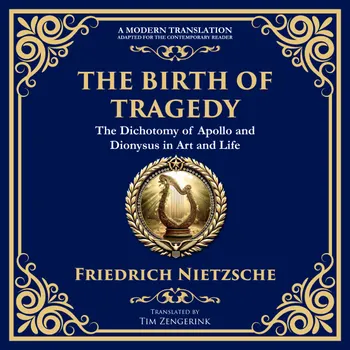
    The Birth of Tragedy

    Friedrich Nietzsche

  9. 3.3

    Beyond Good and Evil

    Friedrich Nietzsche

  10. 50 Clásicos que Debes Leer Antes de Morir : Un viaje literario por los tesoros de la literatura universal

    Dante Alighieri, Aristóteles, Jane Austen, Charles Baudelaire, Giovanni Boccaccio, Anne Brontë, C. Collodi, James Fenimore Cooper, Fedor Mikhaïlovitch Dostoïevski, Arthur Conan Doyle, Alexandre Dumas, José de Espronceda, Gustave Flaubert, Sigmund Freud, Benito Pérez Galdós, Kahlil Gibran, Johann Wolfgang Goethe, Johann Wolfgang von Goethe, Victor Hugo, Thomas Hardy, Nathaniel Hawthorne, Vicente Blasco Ibáñez, Washington Irving, James Joyce, Mariano José de Larra, Jack London, Federico García Lorca, H.P. Lovecraft, Antonio Machado, Gustav Meyrink, John Stuart Mill, Amado Nervo, Friedrich Nietzsche, Solomon Northup, Alexander Sergeyevich Pushkin, Francisco de Quevedo, Walter Scott, William Shakespeare, Robert Louis Stevenson, Harriet Beecher Stowe, Jonathan Swift, Mark Twain, Miguel De Unamuno, Ramón María del Valle-Inclán, Julio Verne, Virginia Woolf

  11. 100 Clásicos de la Literatura Universal

    Francis Scott Fitzgerald, Mary Shelley, Lyman Frank Baum, Louisa May Alcott, Dante Alighieri, Jane Austen, Ambrose Bierce, Emily Brontë, Edgar Rice Burroughs, Lewis Carroll, Wilkie Collins, René Descartes, Charles Dickens, Emily Dickinson, Alexandre Dumas, Gustave Flaubert, Benito Pérez Galdós, Johann Wolfgang von Goethe, Thomas Hardy, E T A Hoffmann, Washington Irving, Henry James, James Joyce, Franz Kafka, Gaston Leroux, Federico García Lorca, H.P. Lovecraft, Publio Virgilio Marón, Lucy Maud Montgomery, John William Polidori, Marco Polo, Antoine de Saint-Exupéry, Emilio Salgari, Walter Scott, Mark Twain, Jules Verne, Julio Verne, H.G. Wells, Edith Wharton, Mary Wollstonecraft, Stefan Zweig, Sun Tzu, Bram Stoker, - Aristoteles, George Bernard Shaw, Henryk Sienkiewicz, Concepción Arenal, Charlotte Brontë, Miguel de Cervantes, G.K. Chesterton, Daniel Defoe, Fyodor Mikhailovich Dostoyevsky, Arthur Conan Doyle, Sigmund Freud, H. Rider Haggard, Homero, Immanuel Kant, Rudyard Kipling, Molière, Friedrich Nietzsche, Fernando de Rojas, Sófocles, William Makepeace Thackeray, León Tolstói, Voltaire, Ramón María del Valle-Inclán, Oscar Wilde, Virginia Woolf

  12. 4.7

    Ecce Homo : Wie man wird, was man ist

    Friedrich Nietzsche