THE BLACK TULIP (Historical Adventure Novel) (Annotated) : Enriched Edition. Intrigue, Romance, and Horticultural Obsession in the Dutch Republic

Set in the Dutch Republic after the violent downfall of the de Witt brothers in 1672, The Black Tulip transforms a real political crisis into a graceful historical adventure. Dumas entwines intrigue, romance, imprisonment, and horticultural obsession around Cornelius van Baerle, whose quest to cultivate the impossible black tulip becomes a symbol of innocence, ambition, and artistic perfection. Written with brisk pacing, vivid melodrama, and generous irony, the novel belongs to the nineteenth-century tradition of popular historical fiction, yet it also reflects Dumas's talent for turning history into humane theatrical spectacle. Alexandre Dumas, celebrated author of The Three Musketeers and The Count of Monte Cristo, possessed an unmatched gift for animating the past through plot and character. His mixed heritage, political sympathies, and lifelong fascination with revolution, justice, and personal honor shaped his fiction. In The Black Tulip, his interest in public violence and private virtue is distilled into a more compact, elegant narrative than many of his sprawling romances. This book is highly recommended to readers who enjoy historical novels rich in suspense but lightened by charm, wit, and emotional clarity. It offers both an accessible adventure and a refined meditation on beauty, devotion, and moral endurance.

This enriched edition has been carefully crafted to add value to your reading experience.

- A succinct Introduction situates the work's timeless appeal and themes.

- The Synopsis outlines the central plot, highlighting key developments without spoiling critical twists.

- A detailed Historical Context immerses you in the era's events and influences that shaped the writing.

- An Author Biography reveals milestones in the author's life, illuminating the personal insights behind the text.

- A thorough Analysis dissects symbols, motifs, and character arcs to unearth underlying meanings.

- Reflection questions prompt you to engage personally with the work's messages, connecting them to modern life.

- Hand‐picked Memorable Quotes shine a spotlight on moments of literary brilliance.

- Interactive footnotes clarify unusual references, historical allusions, and archaic phrases for an effortless, more informed read.

Über dieses Buch

Set in the Dutch Republic after the violent downfall of the de Witt brothers in 1672, The Black Tulip transforms a real political crisis into a graceful historical adventure. Dumas entwines intrigue, romance, imprisonment, and horticultural obsession around Cornelius van Baerle, whose quest to cultivate the impossible black tulip becomes a symbol of innocence, ambition, and artistic perfection. Written with brisk pacing, vivid melodrama, and generous irony, the novel belongs to the nineteenth-century tradition of popular historical fiction, yet it also reflects Dumas's talent for turning history into humane theatrical spectacle. Alexandre Dumas, celebrated author of The Three Musketeers and The Count of Monte Cristo, possessed an unmatched gift for animating the past through plot and character. His mixed heritage, political sympathies, and lifelong fascination with revolution, justice, and personal honor shaped his fiction. In The Black Tulip, his interest in public violence and private virtue is distilled into a more compact, elegant narrative than many of his sprawling romances. This book is highly recommended to readers who enjoy historical novels rich in suspense but lightened by charm, wit, and emotional clarity. It offers both an accessible adventure and a refined meditation on beauty, devotion, and moral endurance.

This enriched edition has been carefully crafted to add value to your reading experience.

- A succinct Introduction situates the work's timeless appeal and themes.

- The Synopsis outlines the central plot, highlighting key developments without spoiling critical twists.

- A detailed Historical Context immerses you in the era's events and influences that shaped the writing.

- An Author Biography reveals milestones in the author's life, illuminating the personal insights behind the text.

- A thorough Analysis dissects symbols, motifs, and character arcs to unearth underlying meanings.

- Reflection questions prompt you to engage personally with the work's messages, connecting them to modern life.

- Hand‐picked Memorable Quotes shine a spotlight on moments of literary brilliance.

- Interactive footnotes clarify unusual references, historical allusions, and archaic phrases for an effortless, more informed read.

Starte noch heute mit diesem Buch für CHF 0

  • Hole dir während der Testphase vollen Zugriff auf alle Bücher in der App
  • Keine Verpflichtungen, jederzeit kündbar
Jetzt kostenlos testen
Mehr als 52 000 Menschen haben Nextory im App Store und auf Google Play 5 Sterne gegeben.

  1. #6

    Der Graf von Monte Christo (Sechster Band)

    Alexandre Dumas

  2. #5

    Der Graf von Monte Christo (Fünfter Band)

    Alexandre Dumas

  3. #4

    Der Graf von Monte Christo (Vierter Band)

    Alexandre Dumas

  4. #3

    Der Graf von Monte Christo (Dritter Band)

    Alexandre Dumas

  5. #2

    Der Graf von Monte Christo (Zweiter Band)

    Alexandre Dumas

  6. #1

    Der Graf von Monte Christo (Erster Band)

    Alexandre Dumas

  7. Die wichtigsten Klassiker der französischen Literatur : Die Elenden, Der Graf von Monte Christo, Die Prinzessin von Clèves, Madame Bovary, Der Misanthrop…

    Stendhal, Jules Verne, Gustave Flaubert, Honoré de Balzac, Anatole France, Victor Hugo, Alphonse Daudet, Guy De Maupassant, Edmond Rostand, Alexandre Dumas, François Rabelais, George Sand, Marcel Proust, Alfred de Musset, Charles Baudelaire, Denis Diderot, Pierre Corneille, Voltaire, Joris-Karl Huysmans, Jean Giraudoux, Marquis De Sade, Jean-Jacques Rousseau, Emile Zola, Pierre de Beaumarchais, Pierre Ambroise Laclos, Marie-Madeleine de Fayette, Antoine-François Prévost, François René Chateaubriand, Guillaume de Lorris, Moliere, Jean Baptiste Racine

  8. Die beliebtesten Klassiker der französischen Literatur : Der Graf von Monte Christo, Der Glöckner von Notre-Dame, Madame Bovary, Bel Ami…

    Stendhal, Jules Verne, Gustave Flaubert, Honoré de Balzac, Anatole France, Victor Hugo, Alphonse Daudet, Guy De Maupassant, Edmond Rostand, Alexandre Dumas, François Rabelais, George Sand, Marcel Proust, Alfred de Musset, Charles Baudelaire, Denis Diderot, Pierre Corneille, Voltaire, Joris-Karl Huysmans, Jean Giraudoux, Marquis De Sade, Jean-Jacques Rousseau, Emile Zola, Pierre de Beaumarchais, Pierre Ambroise Laclos, Marie-Madeleine de Fayette, Antoine-François Prévost, François René Chateaubriand, Guillaume de Lorris, Moliere, Jean Baptiste Racine

  9. The Count of Monte Cristo

    Alexandre Dumas

  10. Der Graf von Monte Christo

    Alexandre Dumas, Peter Folken

  11. Ali Pacha

    Alexandre Dumas

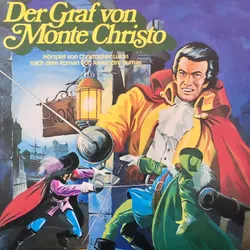
  12. Der Graf von Monte Christo

    Alexandre Dumas, Christopher Lukas