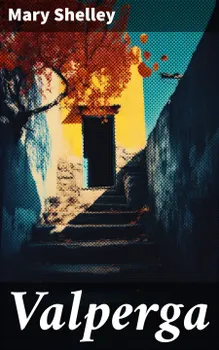
Valperga : The Life and Adventures of Castruccio, Prince of Lucca (Historical Novel)

In "Valperga," Mary Shelley explores the intertwining themes of love, power, and the moral implications of political idealism. Set in 14th-century Italy, this historical novel delves into the life of the tempestuous Castruccio Castracani, a figure torn between his ambitions and a tragic romantic entanglement. Shelley's prose is characterized by vivid imagery and a complex psychological depth, mirroring the tumultuous events of the Italian city-states while employing a gothic sensibility that highlights both the romantic and the grotesque facets of human nature. The narrative not only reflects her experiences but also engages the literary context of the Romantic period, illustrating the tensions between individual desires and societal obligations. Mary Shelley, best known for her groundbreaking work "Frankenstein," drew on her profound interest in history and politics, influenced by her remarkable family background and intellectual circles. Her personal struggles with love, loss, and rebellion against societal norms provided the emotional depth that permeates "Valperga," enhancing her exploration of personal and political conflicts. This novel serves as an extension of her philosophical inquiries into the nature of humanity and morality, showcasing her growth as a novelist. "Valperga" is a compelling read for those interested in historical fiction that challenges the norms of its time. Shelley's masterful storytelling and rich character development create an intricate tapestry of passion and conflict that resonates with contemporary readers. This novel invites an examination of the complexities of power and love while reflecting the enduring question of how personal ambition intersects with historical imperatives. A must-read for fans of Gothic literature and anyone seeking to understand the broader implications of human desire.
Über dieses Buch

In "Valperga," Mary Shelley explores the intertwining themes of love, power, and the moral implications of political idealism. Set in 14th-century Italy, this historical novel delves into the life of the tempestuous Castruccio Castracani, a figure torn between his ambitions and a tragic romantic entanglement. Shelley's prose is characterized by vivid imagery and a complex psychological depth, mirroring the tumultuous events of the Italian city-states while employing a gothic sensibility that highlights both the romantic and the grotesque facets of human nature. The narrative not only reflects her experiences but also engages the literary context of the Romantic period, illustrating the tensions between individual desires and societal obligations. Mary Shelley, best known for her groundbreaking work "Frankenstein," drew on her profound interest in history and politics, influenced by her remarkable family background and intellectual circles. Her personal struggles with love, loss, and rebellion against societal norms provided the emotional depth that permeates "Valperga," enhancing her exploration of personal and political conflicts. This novel serves as an extension of her philosophical inquiries into the nature of humanity and morality, showcasing her growth as a novelist. "Valperga" is a compelling read for those interested in historical fiction that challenges the norms of its time. Shelley's masterful storytelling and rich character development create an intricate tapestry of passion and conflict that resonates with contemporary readers. This novel invites an examination of the complexities of power and love while reflecting the enduring question of how personal ambition intersects with historical imperatives. A must-read for fans of Gothic literature and anyone seeking to understand the broader implications of human desire.

Starte noch heute mit diesem Buch für CHF 0

  • Hole dir während der Testphase vollen Zugriff auf alle Bücher in der App
  • Keine Verpflichtungen, jederzeit kündbar
Jetzt kostenlos testen
Mehr als 52 000 Menschen haben Nextory im App Store und auf Google Play 5 Sterne gegeben.

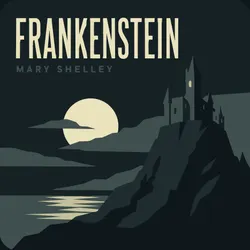
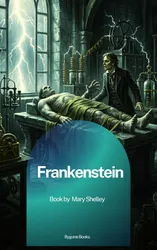
  1. Frankenstein

    Mary Shelley

  2. The Rise of Deathwatch : A Journey Through Gothic Horror: Explore 19th Century Dark Romance and Haunting Victorian Mysteries

    Horace Walpole, William Thomas Beckford, Eliza Parsons, William Godwin, Ann Radcliffe, Matthew Gregory Lewis, Charles Brockden Brown, Jane Austen, Mary Shelley, Thomas love Peacock, Edgar Allan Poe, John William Polidori, Washington Irving, Charles Robert Maturin, James Hogg, Victor Hugo, Frederick Marryat, Nikolai Gogol, Charlotte Brontë, Emily Brontë, James Malcolm Rymer, Thomas Peckett Prest, Nathaniel Hawthorne, George Eliot, Wilkie Collins, Robert Louis Stevenson, Charles Dickens, Joseph Sheridan Le Fanu, Arthur Conan Doyle, Oscar Wilde, Guy De Maupassant, Anna Katharine Green, Charlotte Perkins Gilman, Arthur Machen, George MacDonald, John Meade Falkner, H.G. Wells, Richard Marsh, Henry James, Bram Stoker, W. Jacobs, Robert Hugh Benson, Gaston Leroux, Théophile Gautier, William Hope Hodgson, Grant Allen

  3. Neu

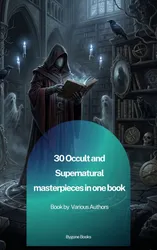
    30 Occult and Supernatural masterpieces in one book

    Washington Irving, Mary Shelley, Charles Dickens, Joseph Sheridan Fanu, Elizabeth Cleghorn Gaskell, Louisa May Alcott, Oscar Wilde, Rudyard Kipling, Edith Nesbit, John Meade Falkner, Henry James, H.G. Wells, Montague Rhodes James, Arnold Bennett, Henry Rider Haggard, William Hope Hodgson, Virginia Woolf, Master Hendrick Certain, Pastor Tappau's, Lefebvre, De Lacy

  4. Neu

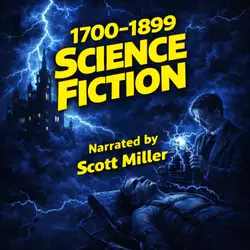
    The Dawn of Science Fiction : The Visionaries Who Imagined Tomorrow First

    H.G. Wells, Mary Shelley, Voltaire, Jack London, Frank R. Stockton, Edgar Allan Poe

  5. Neu

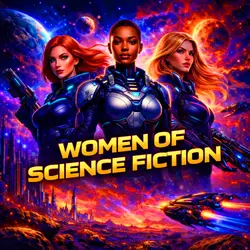
    Tomorrow Belonged to Her : Classic Science Fiction Written by Women

    Leigh Brackett, Evelyn E. Smith, Mary Shelley, Andre Norton, Margaret St. Clair, Lynn Venable, Miriam Allen deFord, Francis Stevens, Katherine MacLean, Dorothy Quick, Mary Carlson, Gerda Rhoads

  6. Neu
    3.9

    Frankenstein

    Mary Shelley

  7. Neu

    On Ghosts

    Mary Shelley

  8. Neu
    3.9

    Frankenstein

    Mary Shelley

  9. Neu
    3.5

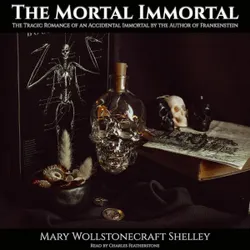
    The Mortal Immortal : The Tragic Romance of an Accidental Immortal by the Author of Frankenstein

    Mary Shelley

  10. Neu

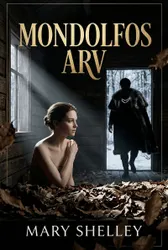
    Mondolfos arv

    Mary Shelley

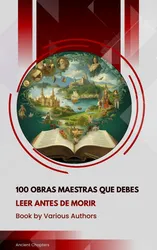
  11. 100 Obras Maestras Que Debes Leer Antes De Morir

    Francis Scott Fitzgerald, Mary Shelley, Lyman Frank Baum, Edith Nesbit, Dante Alighieri, Jane Austen, Ambrose Bierce, Emily Brontë, Edgar Rice Burroughs, Lewis Carroll, Wilkie Collins, René Descartes, Charles Dickens, Emily Dickinson, Alexandre Dumas, Gustave Flaubert, Benito Pérez Galdós, Johann Wolfgang von Goethe, Thomas Hardy, E T A Hoffmann, Washington Irving, Henry James, James Joyce, Franz Kafka, Gaston Leroux, Federico García Lorca, H.P. Lovecraft, Publio Virgilio Marón, Lucy Maud Montgomery, John William Polidori, Marco Polo, Antoine de Saint-Exupéry, Emilio Salgari, Walter Scott, Mark Twain, Jules Verne, H.G. Wells, Edith Wharton, Mary Wollstonecraft, Fernando de Rojas

  12. 100 Clásicos de la Literatura Universal

    Francis Scott Fitzgerald, Mary Shelley, Lyman Frank Baum, Louisa May Alcott, Dante Alighieri, Jane Austen, Ambrose Bierce, Emily Brontë, Edgar Rice Burroughs, Lewis Carroll, Wilkie Collins, René Descartes, Charles Dickens, Emily Dickinson, Alexandre Dumas, Gustave Flaubert, Benito Pérez Galdós, Johann Wolfgang von Goethe, Thomas Hardy, E T A Hoffmann, Washington Irving, Henry James, James Joyce, Franz Kafka, Gaston Leroux, Federico García Lorca, H.P. Lovecraft, Publio Virgilio Marón, Lucy Maud Montgomery, John William Polidori, Marco Polo, Antoine de Saint-Exupéry, Emilio Salgari, Walter Scott, Mark Twain, Jules Verne, Julio Verne, H.G. Wells, Edith Wharton, Mary Wollstonecraft, Stefan Zweig, Sun Tzu, Bram Stoker, - Aristoteles, George Bernard Shaw, Henryk Sienkiewicz, Concepción Arenal, Charlotte Brontë, Miguel de Cervantes, G.K. Chesterton, Daniel Defoe, Fyodor Mikhailovich Dostoyevsky, Arthur Conan Doyle, Sigmund Freud, H. Rider Haggard, Homero, Immanuel Kant, Rudyard Kipling, Molière, Friedrich Nietzsche, Fernando de Rojas, Sófocles, William Makepeace Thackeray, León Tolstói, Voltaire, Ramón María del Valle-Inclán, Oscar Wilde, Virginia Woolf