
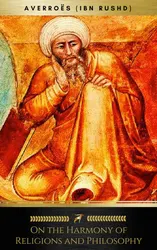
The Philosophy and Theology of Averroes presents a lucid synthesis of Ibn Rushd's central concern: the rightful harmony between demonstrative reason and revealed religion. Written in the rigorous idiom of medieval Aristotelianism yet shaped by Islamic jurisprudence and kalām, the work argues that philosophical inquiry is not a rival to faith but, for qualified minds, a religious obligation. Its style is analytic, juridical, and polemical, situated within the great twelfth-century debates over interpretation, causality, and the limits of theological authority. Averroes, known in Arabic as Ibn Rushd, was a jurist, physician, philosopher, and commentator from twelfth-century al-Andalus. His mastery of law and Aristotle uniquely equipped him to defend rational investigation against both literalist suspicion and anti-philosophical theology. Writing in a world where Greek philosophy had been absorbed, contested, and transformed by Muslim thinkers, he sought to clarify how scripture should be read when its surface meaning appears to conflict with demonstrative truth. This book is highly recommended for readers interested in Islamic philosophy, medieval theology, interreligious intellectual history, or the enduring question of faith and reason. It rewards careful reading with a powerful vision of disciplined interpretation and rational piety.
This enriched edition has been carefully crafted to add value to your reading experience.
- A comprehensive Introduction outlines these selected works' unifying features, themes, or stylistic evolutions.
- The Author Biography highlights personal milestones and literary influences that shape the entire body of writing.
- A Historical Context section situates the works in their broader era—social currents, cultural trends, and key events that underpin their creation.
- A concise Synopsis (Selection) offers an accessible overview of the included texts, helping readers navigate plotlines and main ideas without revealing critical twists.
- A unified Analysis examines recurring motifs and stylistic hallmarks across the collection, tying the stories together while spotlighting the different work's strengths.
- Reflection questions inspire deeper contemplation of the author's overarching message, inviting readers to draw connections among different texts and relate them to modern contexts.
- Lastly, our hand‐picked Memorable Quotes distill pivotal lines and turning points, serving as touchstones for the collection's central themes.