What if an entire life could be captured through the changing rhythm of consciousness?
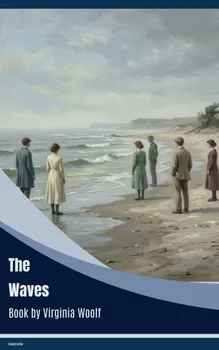
In The Waves, Virginia Woolf creates an extraordinary portrait of six interconnected lives through a series of lyrical inner monologues. Rather than relying on conventional dialogue and plot, Woolf allows each character's thoughts and perceptions to reveal their evolving identities from childhood through adulthood.
The novel follows Bernard, Susan, Rhoda, Neville, Jinny, and Louis as they experience friendship, love, ambition, loneliness, loss, and the passage of time. Their voices overlap and echo one another, creating a rich exploration of individual identity and the connections between human lives.
Between the sections of the novel are poetic descriptions of the sun moving across the sea, creating a powerful rhythm that mirrors the stages of life. Woolf explores consciousness, memory, mortality, friendship, isolation, time, and the search for meaning with remarkable lyrical intensity.
First published in 1931, The Waves is regarded as one of Woolf's most ambitious and experimental works and a major achievement of modernist literature.
For readers interested in Virginia Woolf, modernist fiction, stream of consciousness, experimental literature, psychological fiction, philosophical novels, and literary classics, The Waves offers a deeply immersive exploration of human consciousness and existence.
Enter the inner worlds of six unforgettable voices and experience life as a continuous rhythm of memory, connection, and change. Read The Waves today and discover Virginia Woolf's profound meditation on identity, time, mortality, and human experience.