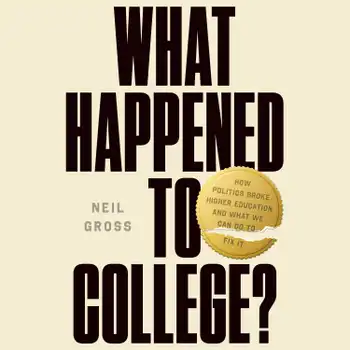
A sociologist who has been tracking the polarization of higher education for twenty years reveals how students are navigating the campus culture wars, what they wish their professors would do differently, and why they’re actually afraid of saying what they think.
“Anyone who wants to understand the crisis in higher education—and help solve it—should read this book.” —Greg Lukianoff * “Everyone has an opinion about higher education, but ironically few scholars actually study it in a systematic way. What Happened to College? brings data and rigorous thinking to bear on the question of how a university system that is in many ways the envy of the world has lost the confidence of such a large share of the country.” —Matthew Yglesias
American universities are at the center of a political firestorm. Between attacks on DEI programming, dwindling enrollment in the humanities, questions about the value of a college education, funding cuts, and battles over woke activism and liberal indoctrination, the campus culture wars are raging. But the experience on campus is not quite what the culture warriors would have us believe.
A decade after his landmark book on faculty politics, Neil Gross decided it was time to give those with the most at stake a chance to speak for themselves. Beginning in the spring of 2024, he launched a massive investigation into how our polarized politics have remade the college experience, interviewing students across the country and polling thousands more. He looked at liberal arts colleges, state schools, faith-based institutions, and elite universities and combed through studies tracking everything from campus dating habits to changes in syllabi.
What he found was startling: Undergraduates today are choosing their schools, their friends, their partners, their activities—even their majors—on the basis of their political beliefs to a degree unimaginable ten years ago, with the goal of interacting as little as possible with anyone whose views don’t line up with their own. Popular campus dating apps invite you to swipe left if you don’t like someone’s political profile—a metaphor for today’s college experience writ large. Instead of resisting this trend, some faculty and administrators encouraged it, creating a cloistered environment where students could avoid uncomfortable disagreement.
What Happened to College? paints a picture of an educational system in crisis and ripe for change. Grounding his analysis in sorely needed data and deftly debunking overstated claims, Gross points to places where open debate and friendship across political lines still thrive. What are these campus communities doing right? Can we teach college students to disagree better? At a time of growing political stridency, nothing could be more necessary.