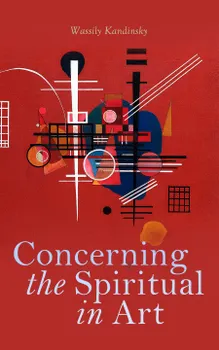









Concerning the Spiritual in Art is a foundational manifesto of modernism, in which Wassily Kandinsky argues that art must move beyond imitation and recover its inner, metaphysical vocation. Written in a lucid yet prophetic style, the book joins aesthetic theory, symbolism, and quasi-mystical philosophy to explain how color, form, and composition can act directly upon the soul. Emerging amid the ferment of early twentieth-century abstraction, it helped define the intellectual basis for nonrepresentational painting. Kandinsky, born in Moscow in 1866 and trained initially in law and economics, came to art with unusual philosophical seriousness. His exposure to Russian folk traditions, music, Theosophy, and the avant-garde circles of Munich shaped his conviction that painting could possess the expressive immediacy of music. As a practicing artist and theorist, he wrote not from detachment but from the urgency of one transforming the very language of visual art. This book is essential for readers interested in modern art, abstraction, aesthetics, or the relationship between creativity and spiritual experience. It rewards careful reading, offering not merely historical insight but a still-provocative vision of art as an inward necessity.
This enriched edition has been carefully crafted to add value to your reading experience.
- A succinct Introduction situates the work's timeless appeal and themes.
- The Synopsis outlines the central plot, highlighting key developments without spoiling critical twists.
- A detailed Historical Context immerses you in the era's events and influences that shaped the writing.
- An Author Biography reveals milestones in the author's life, illuminating the personal insights behind the text.
- A thorough Analysis dissects symbols, motifs, and character arcs to unearth underlying meanings.
- Reflection questions prompt you to engage personally with the work's messages, connecting them to modern life.
- Hand‐picked Memorable Quotes shine a spotlight on moments of literary brilliance.
- Interactive footnotes clarify unusual references, historical allusions, and archaic phrases for an effortless, more informed read.