A Lost Lady

A Lost Lady is a novel by American author Willa Cather, first published in 1923. It centers on Marian Forrester, her husband Captain Daniel Forrester, and their lives in the small western town of Sweet Water, along the Transcontinental Railroad. However, it is mostly told from the perspective of a young man named Niel Herbert, as he observes the decline of both Marian and the West itself, as it shifts from a place of pioneering spirit to one of corporate exploitation. Exploring themes of social class, money, and the march of progress, A Lost Lady was praised for its vivid use of symbolism and setting, and is considered to be a major influence on the works of F. Scott Fitzgerald. It has been adapted to film twice, with a film adaptation being released in 1924, followed by a looser adaptation in 1934, starring Barbara Stanwyck.

A Lost Lady begins in the small railroad town of Sweet Water, on the undeveloped Western plains. The most prominent family in the town is the Forresters, and Marian Forrester is known for her hospitality and kindness. The railroad executives frequently stop by her house and enjoy the food and comfort she offers while there on business. A young boy, Niel Herbert, frequently plays on the Forrester estate with his friend. One day, an older boy named Ivy Peters arrives, and shoots a woodpecker out of a tree. He then blinds the bird and laughs as it flies around helplessly. Niel pities the bird and tries to climb the tree to put it out of its misery, but while climbing he slips, and breaks his arm in the fall, as well as knocking himself unconscious. Ivy takes him to the Forrester house where Marian looks after him. When Niel wakes up, he's amazed by the nice house and how sweet Marian smells. He doesn't't see her much after that, but several years later he and his uncle, Judge Pommeroy, are invited to the Forrester house for dinner. There he meets Ellinger, who he will later learn is Mrs. Forrester's lover, and Constance, a young girl his age.
Über dieses Buch

A Lost Lady is a novel by American author Willa Cather, first published in 1923. It centers on Marian Forrester, her husband Captain Daniel Forrester, and their lives in the small western town of Sweet Water, along the Transcontinental Railroad. However, it is mostly told from the perspective of a young man named Niel Herbert, as he observes the decline of both Marian and the West itself, as it shifts from a place of pioneering spirit to one of corporate exploitation. Exploring themes of social class, money, and the march of progress, A Lost Lady was praised for its vivid use of symbolism and setting, and is considered to be a major influence on the works of F. Scott Fitzgerald. It has been adapted to film twice, with a film adaptation being released in 1924, followed by a looser adaptation in 1934, starring Barbara Stanwyck.

A Lost Lady begins in the small railroad town of Sweet Water, on the undeveloped Western plains. The most prominent family in the town is the Forresters, and Marian Forrester is known for her hospitality and kindness. The railroad executives frequently stop by her house and enjoy the food and comfort she offers while there on business. A young boy, Niel Herbert, frequently plays on the Forrester estate with his friend. One day, an older boy named Ivy Peters arrives, and shoots a woodpecker out of a tree. He then blinds the bird and laughs as it flies around helplessly. Niel pities the bird and tries to climb the tree to put it out of its misery, but while climbing he slips, and breaks his arm in the fall, as well as knocking himself unconscious. Ivy takes him to the Forrester house where Marian looks after him. When Niel wakes up, he's amazed by the nice house and how sweet Marian smells. He doesn't't see her much after that, but several years later he and his uncle, Judge Pommeroy, are invited to the Forrester house for dinner. There he meets Ellinger, who he will later learn is Mrs. Forrester's lover, and Constance, a young girl his age.

Starte noch heute mit diesem Buch für CHF 0

  • Hole dir während der Testphase vollen Zugriff auf alle Bücher in der App
  • Keine Verpflichtungen, jederzeit kündbar
Jetzt kostenlos testen
Mehr als 52 000 Menschen haben Nextory im App Store und auf Google Play 5 Sterne gegeben.

  1. 50 Klassiker des Feminismus - Bücher, die man kennen muss : Das Erwachen, Lelia, Jane Eyre, Neue Amazonia, Die gelbe Tapete, Mrs Dalloway, Kleine Frauen, Verteidigung der Rechte der Frau, Meine brillante Karriere

    Kate Chopin, Charlotte Perkins Gilman, Virginia Woolf, Charlotte Brontë, George Sand, Louisa May Alcott, Jane Austen, L.M. Montgomery, Victor Hugo, Daniel Defoe, Nathaniel Hawthorne, Wilhelmine von Hillern, Adalbert Stifter, Luise Ahlborn, George Eliot, Lou Andreas-Salomé, D. H. Lawrence, Henry James, Margaret Mitchell, Edith Wharton, Miles Franklin, Willa Cather, Leo Tolstoi, Henrik Ibsen, Elizabeth Gaskell, Nikolai Semjonowitsch Leskow, Theodore Dreiser, Elizabeth von Arnim, Colette, Emmeline Pankhurst, Louise Aston, Bertha von Suttner, Hedwig Dohm, Mary Wollstonecraft, Elizabeth Cady Stanton, Matilda Joslyn Gage, John Stuart Mill, Thomas Hardy, Sinclair Lewis, Elizabeth Burgoyne Corbett, Anne Brontë

  2. Alexander's Bridge

    Willa Cather

  3. Neu

    50 Masterpieces You Must Read Before You Die : Timeless Classics That Will Enrich Your Mind and Soul

    Louisa May Alcott, Jane Austen, Joseph Conrad, D. H. Lawrence, George Eliot, Leo Tolstoy, James Joyce, Charles Dickens, Bram Stoker, Oscar Wilde, Honoré de Balzac, Edgar Rice Burroughs, Anne Brontë, Charlotte Brontë, Emily Brontë, Lewis Carroll, Willa Cather, Miguel de Cervantes, E. E. Cummings, Fyodor Dostoyevsky, Daniel Defoe, Arthur Conan Doyle, Alexandre Dumas, Gustave Flaubert, Henry James, Victor Hugo

  4. Neu

    50 Masterpieces you have to read before you die vol 1

    Louisa May Alcott, Jane Austen, Joseph Conrad, Edwin Abbott Abbott, George Eliot, Leo Tolstoy, James Joyce, Charles Dickens, Bram Stoker, Oscar Wilde, Honoré de Balzac, Edgar Rice Burroughs, Anne Brontë, Charlotte Brontë, Emily Brontë, Lewis Carroll, Willa Cather, Miguel de Cervantes, E. E. Cummings, Fyodor Dostoyevsky, Daniel Defoe, Arthur Conan Doyle, Alexandre Dumas, Gustave Flaubert, Henry James, Victor Hugo

  5. 2.5

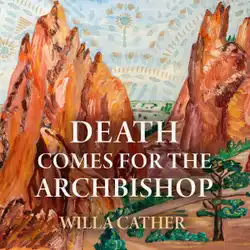
    Death Comes for the Archbishop

    Willa Cather

  6. 50 Masterpieces you have to read before you die vol 1

    Louisa May Alcott, Jane Austen, Joseph Conrad, Edwin Abbott, George Eliot, Leo Tolstoy, James Joyce, Charles Dickens, Bram Stoker, Oscar Wilde, Honoré de Balzac, Edgar Rice Burroughs, Anne Brontë, Charlotte Brontë, Emily Brontë, Lewis Carroll, Willa Cather, Miguel de Cervantes, E. Cummings, Fyodor Dostoyevsky, Daniel Defoe, Arthur Conan Doyle, Alexandre Dumas, Gustave Flaubert, Henry James, Victor Hugo

  7. 50 Masterpieces you have to read before you die vol: 2

    Louisa May Alcott, Jane Austen, Joseph Conrad, D. H. Lawrence, George Eliot, Leo Tolstoy, James Joyce, Charles Dickens, Bram Stoker, Oscar Wilde, Honoré de Balzac, Edgar Rice Burroughs, Anne Brontë, Charlotte Brontë, Emily Brontë, Lewis Carroll, Willa Cather, Miguel de Cervantes, E. Cummings, Fyodor Dostoyevsky, Daniel Defoe, Arthur Conan Doyle, Alexandre Dumas, Gustave Flaubert, Henry James, Victor Hugo

  8. 2.5

    Death Comes for the Archbishop

    Willa Cather

  9. Obscure Destinies

    Willa Cather

  10. Sapphira & the Slave Girl

    Willa Cather

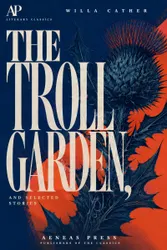
  11. The Troll Garden and the Selected Stories

    Willa Cather

  12. One of Ours

    Willa Cather