Über dieses Buch

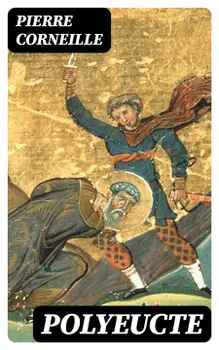
In Pierre Corneille's gripping tragedy, "Polyeucte," the playwright explores themes of faith, sacrifice, and the struggle between personal conviction and societal pressures. Set against the backdrop of Roman-occupied Armenia, the narrative follows the titular character, Polyeucte, who embraces martyrdom to express his unwavering belief in Christianity. Corneille's use of elevated language and dramatic monologues enhances the emotional intensity, allowing readers to delve into the moral dilemmas faced by the characters. The play, emerging from the early 17th-century French classical tradition, challenges the conventions of heroic tragedy by intertwining personal agency with divine purpose, making it a pivotal work in the development of French drama. Pierre Corneille (1606-1684) stands as one of the foremost figures in French literature, often deemed the father of French tragedy. His innovative treatment of themes concerning honor, duty, and individualism reflects his own experiences in a time of political unrest and cultural upheaval. "Polyeucte," written in 1640, showcases Corneille's philosophical engagement with ethical quandaries, which was influenced by his own Catholic faith and the tensions between religious fervor and reason during the Enlightenment. "Polyeucte" deserves recognition for its profound exploration of spiritual courage and the human condition. Readers seeking a compelling blend of philosophical inquiry and dramatic narrative will find this play both challenging and rewarding. Corneille's masterful construction of character and dialogue invites thoughtful reflection, making it a must-read for those interested in the evolution of tragedy and the exploration of faith's complexities.

In this enriched edition, we have carefully created added value for your reading experience:

- A succinct Introduction situates the work's timeless appeal and themes.

- The Synopsis outlines the central plot, highlighting key developments without spoiling critical twists.

- A detailed Historical Context immerses you in the era's events and influences that shaped the writing.

- An Author Biography reveals milestones in the author's life, illuminating the personal insights behind the text.

- A thorough Analysis dissects symbols, motifs, and character arcs to unearth underlying meanings.

- Reflection questions prompt you to engage personally with the work's messages, connecting them to modern life.

- Hand‐picked Memorable Quotes shine a spotlight on moments of literary brilliance.

- Interactive footnotes clarify unusual references, historical allusions, and archaic phrases for an effortless, more informed read.
Starte noch heute mit diesem Buch für CHF 0

  • Hole dir während der Testphase vollen Zugriff auf alle Bücher in der App
  • Keine Verpflichtungen, jederzeit kündbar
Jetzt kostenlos testen
Mehr als 52 000 Menschen haben Nextory im App Store und auf Google Play 5 Sterne gegeben.

  1. Die wichtigsten Klassiker der französischen Literatur (Kommentiert) : Erweiterte Ausgabe. Die Elenden, Der Graf von Monte Christo, Die Prinzessin von Clèves, Madame Bovary, Der Misanthrop…

    Stendhal, Jules Verne, Gustave Flaubert, Honoré de Balzac, Anatole France, Victor Hugo, Alphonse Daudet, Guy De Maupassant, Edmond Rostand, Alexandre Dumas, François Rabelais, George Sand, Marcel Proust, Alfred de Musset, Charles Baudelaire, Denis Diderot, Pierre Corneille, Voltaire, Joris-Karl Huysmans, Jean Giraudoux, Marquis De Sade, Jean-Jacques Rousseau, Emile Zola, Pierre de Beaumarchais, Pierre Ambroise Laclos, Marie-Madeleine de Fayette, Antoine-François Prévost, François René Chateaubriand, Guillaume de Lorris, Moliere, Jean Baptiste Racine

  2. Die beliebtesten Klassiker der französischen Literatur (Kommentiert) : Erweiterte Ausgabe. Der Graf von Monte Christo, Der Glöckner von Notre-Dame, Madame Bovary, Bel Ami…

    Stendhal, Jules Verne, Gustave Flaubert, Honoré de Balzac, Anatole France, Victor Hugo, Alphonse Daudet, Guy De Maupassant, Edmond Rostand, Alexandre Dumas, François Rabelais, George Sand, Marcel Proust, Alfred de Musset, Charles Baudelaire, Denis Diderot, Pierre Corneille, Voltaire, Joris-Karl Huysmans, Jean Giraudoux, Marquis De Sade, Jean-Jacques Rousseau, Emile Zola, Pierre de Beaumarchais, Pierre Ambroise Laclos, Marie-Madeleine de Fayette, Antoine-François Prévost, François René Chateaubriand, Guillaume de Lorris, Moliere, Jean Baptiste Racine

  3. The Cid (Le Cid) by Pierre Corneille : Studio Cast Album Recording - English Adaptation

    Pierre Corneille, David Serero

  4. Querella del Teatro

    Pierre Nicole, Antoine Godeau, Antoine Singlin, de Sablé, Blaise Pascal, Jean Racine, Goibaud du Bois, Barbier d'Aucour, Pierre Corneille, Molière

  5. 10 œuvres du bac français 2026

    Étienne de La Boétie, Pierre Corneille, Abbé Prévost

  6. 5.0

    Le menteur

    Pierre Corneille

  7. Die großen Klassiker der französischen Literatur : Bereicherte Ausgabe. Eine literarische Reise durch Frankreichs Geschichte und Gedankenwelt

    Stendhal, Jules Verne, Gustave Flaubert, Honoré de Balzac, Anatole France, Victor Hugo, Alphonse Daudet, Guy De Maupassant, Edmond Rostand, Alexandre Dumas, François Rabelais, George Sand, Marcel Proust, Alfred de Musset, Charles Baudelaire, Denis Diderot, Pierre Corneille, Voltaire, Joris-Karl Huysmans, Jean Giraudoux, Marquis De Sade, Jean-Jacques Rousseau, Emile Zola, Pierre de Beaumarchais, Pierre Ambroise Laclos, Marie-Madeleine de Fayette, Antoine-François Prévost, François René Chateaubriand, Guillaume de Lorris, Moliere, Jean Baptiste Racine

  8. Große Klassiker der französischen Literatur : Bereicherte Ausgabe. Die Vielfalt der französischen Literatur: Klassiker, Romane und philosophische Abhandlungen

    Stendhal, Jules Verne, Gustave Flaubert, Honoré de Balzac, Anatole France, Victor Hugo, Alphonse Daudet, Guy De Maupassant, Edmond Rostand, Alexandre Dumas, François Rabelais, George Sand, Marcel Proust, Alfred de Musset, Charles Baudelaire, Denis Diderot, Pierre Corneille, Voltaire, Joris-Karl Huysmans, Jean Giraudoux, Marquis De Sade, Jean-Jacques Rousseau, Emile Zola, Pierre de Beaumarchais, Pierre Ambroise Laclos, Marie-Madeleine de Fayette, Antoine-François Prévost, François René Chateaubriand, Guillaume de Lorris, Moliere, Jean Baptiste Racine

  9. Die besten Dramen aller Zeiten (Kommentiert) : Erweiterte Ausgabe. Der eingebildete Kranke, Der Revisor, Drei Schwestern, Macbeth, Hamlet, Romeo und Juliette, Ein Puppenheim

    Anton Tschechow, William Shakespeare, Jean Baptiste Molière, Nikolai Gogol, Johann Wolfgang Goethe, Friedrich Schiller, Pierre Corneille, Henrik Ibsen, Oskar Wilde, Christopher Marlowe, Aischylos, - Sophokles, Euripides, - Aristophanes

  10. Die großen Dramen der Geschichte : Erweiterte Ausgabe. Der eingebildete Kranke, Der Revisor, Drei Schwestern, Macbeth, Hamlet, Romeo und Juliette, Ein Puppenheim, Medea

    William Shakespeare, Euripides, Anton Tschechow, Jean Baptiste Molière, Nikolai Gogol, Johann Wolfgang Goethe, Friedrich Schiller, Pierre Corneille, Henrik Ibsen, Oskar Wilde, Christopher Marlowe, Aischylos, - Sophokles, - Aristophanes, Percy Bysshe Shelley, Lord Byron

  11. Die größten Klassiker der französischen Literatur : Erweiterte Ausgabe. Der eingebildete Kranke, Der Geizige, Der Tartuffe, Lucretia Borgia, Der Cid, Phedre

    Pierre Corneille, Jean Baptiste Molière, Victor Hugo, Jean Baptiste Racine

  12. Die größten französischen Theaterstücke (Kommentiert) : Erweiterte Ausgabe. Der eingebildete Kranke, Der Geizige, Der Tartuffe, Lucretia Borgia, Der Cid, Phedre

    Jean Baptiste Molière, Pierre Corneille, Victor Hugo, Jean Baptiste Racine