Über dieses Buch

Six Characters by Luigi Pirandello is a groundbreaking theatrical masterpiece that revolutionized modern drama and challenged the very nature of reality, identity, and storytelling. Bold, innovative, and intellectually provocative, this seminal work dismantles the boundaries between fiction and life, drawing audiences into a world where characters demand to be heard and truth becomes a shifting, elusive force.

The play opens in the midst of a theatrical rehearsal when six mysterious figures suddenly appear on stage. They are not actors but "characters"—abandoned creations of an author who never completed their story. Desperate for their drama to be realized, they interrupt the rehearsal and insist that the director and actors bring their tragic tale to life. What unfolds is a layered and self-reflective exploration of illusion and authenticity, as the characters argue that their emotional reality is more genuine than the artificial performances of the actors attempting to portray them.

At the heart of the work lies a haunting family drama marked by betrayal, misunderstanding, guilt, and suffering. Each of the six figures carries a distinct perspective on shared events, exposing the instability of truth and the subjectivity of memory. As their story is reenacted and contested on stage, tensions escalate between the characters and the theatrical company, blurring the line between performance and lived experience.

Pirandello's genius lies in his daring experimentation with form. By breaking the "fourth wall" and embedding a play within a play, he invites audiences to question the nature of authorship, the fluidity of identity, and the relationship between art and reality. The result is a meta-theatrical work that feels startlingly modern, anticipating later developments in existential and absurdist drama.

Beyond its formal innovation, Six Characters offers profound philosophical insight. It suggests that individuals are trapped within the roles they inhabit, unable to escape the perceptions of others. Reality itself becomes fragmented—constructed through interpretation rather than fixed fact. In this way, Pirandello examines the human condition with both irony and compassion, revealing the fragile boundaries between truth and illusion.

A cornerstone of 20th-century theatre, Six Characters transformed dramatic art and cemented Pirandello's legacy as one of the most influential playwrights of modern literature. Challenging, thought-provoking, and emotionally charged, this unforgettable work continues to captivate readers and audiences alike with its daring vision and timeless exploration of identity and existence.
Starte noch heute mit diesem Buch für CHF 0

  • Hole dir während der Testphase vollen Zugriff auf alle Bücher in der App
  • Keine Verpflichtungen, jederzeit kündbar
Jetzt kostenlos testen
Mehr als 52 000 Menschen haben Nextory im App Store und auf Google Play 5 Sterne gegeben.

Mehr von Luigi Pirandello

  1. Neu

    Einer, keiner und hunderttausend : Roman · Ungekürzte Lesung

    Luigi Pirandello

  2. Die Wandlungen des Mattia Pascal

    Luigi Pirandello

  3. The Late Mattia Pascal

    Luigi Pirandello

  4. Right You Are (If You Think So)

    Luigi Pirandello

  5. Henry IV

    Luigi Pirandello

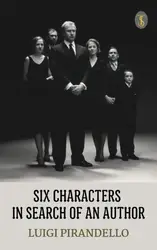
  6. Six Characters in Search of an Author

    Luigi Pirandello

  7. Six Characters in Search of an Author: A Comedy in the Making

    Luigi Pirandello

  8. Nobelpreis

    Henry IV (Annotated) : Enriched Edition. A Modernist Italian Drama of Madness, Identity, Reality, Illusion, and Theatrical Masquerade

    Luigi Pirandello

  9. 3.0

    200 Meisterwerke der Literaturgeschichte (Kommentiert) : Erweiterte Ausgabe. Die größten Klassiker der Weltliteratur

    Franz Kafka, Victor Hugo, Fjodor Michailowitsch Dostojewski, Lord Byron, Giacomo Leopardi, Marcel Proust, Henrik Ibsen, Percy Bysshe Shelley, Charles Dickens, Jane Austen, Mary Shelley, Emily Brontë, Charlotte Brontë, Anne Brontë, William Makepeace Thackeray, Bram Stoker, Henry Fielding, George Eliot, William Shakespeare, D. H. Lawrence, Walt Whitman, Herman Melville, Thomas Wolfe, Virginia Woolf, Joseph Conrad, Sinclair Lewis, Lewis Carrol, Edgar Allan Poe, Edward Bulwer-Lytton, Oscar Wilde, H.G. Wells, Daniel Defoe, James Fenimore Cooper, Lew Wallace, Jonathan Swift, Mark Twain, Walter Scott, Nathaniel Hawthorne, Harriet Beecher Stowe, Laurence Sterne, Frances Hodgson Burnett, Arthur Conan Doyle, Wilkie Collins, Edgar Wallace, Robert Louis Stevenson, Jack London, Henry David Thoreau, John Galsworthy, F. Scott Fitzgerald, Rudyard Kipling, G.K. Chesterton, Washington Irvin, O.Henry, Ambrose Bierce, Alexander Sergejewitsch Puschkin, Michail Lermontow, Iwan Sergejewitsch Turgenew, Leo Tolstoi, Nikolai Gogol, Iwan Gontscharow, Nikolai Leskow, Anton Pawlowitsch Tschechow, Maxim Gorki, François Rabelais, Jean De Fontaine, Blaise Pascal, Pierre Corneille, Moliere, Jean Baptiste Racine, Charles Perrault, Voltaire, Denis Diderot, Jean-Jacques Rousseau, Pierre Ambroise Laclos, Antoine-François Prévost, Marquis De Sade, François René Chateaubriand, Stendhal, Honoré de Balzac, Alexandre Dumas, Alphonse de Lamartine, George Sand, Gustave Flaubert, Emile Zola, Guy De Maupassant, Alphonse Daudet, Jules Verne, Joris-Karl Huysmans, Prosper Mérimée, Charles Baudelaire, Stéphane Mallarmé, Arthur Rimbaud, André Gide, Arthur Schopenhauer, Heinrich Heine, Friedrich Schiller, Johann Wolfgang Goethe, Jacob Grimm, Gottfried von Straßburg, Wolfram von Eschenbach, E. T. Hoffmann, Annette von Droste-Hülshoff, Heinrich von Kleist, Friedrich Hölderlin, Theodor Fontane, Gustav Freytag, Gottfried Keller, Theodor Storm, Stefan Zweig, Joseph von Eichendorff, Klaus Mann, Rainer Maria Rilke, Johanna Spyri, Joseph Roth, Karl May, Robert Musil, Heinrich Mann, Sigmund Freud, Friedrich Nietzsche, Dante Alighieri, Giovanni Boccaccio, Giacomo Casanova, Luigi Pirandello, Giosuè Carducci, Gabriele D’Annunzio, Niccolo Machiavelli, Miguel Cervantes Saavedra, Pedro Calderón Barca, Vicente Blasco Ibañez, Knut Hamsun, Homer, Äsop, Herodot, Thukydides, Xenophon, Platon, - Aristoteles, - Sophokles, Euripides, - Aristophanes, Lao Tse, - Konfuzius, Siddhartha Gautama Buddha, Titus Livius, Tacitus, Marcus Tullius Cicero, Vergil, Ovid, Lukian, Petronius, Apuleius, Longos von Lesbos, Mark Aurel, Aurelius Augustinus

  10. 200 Literarische Meisterwerke der Weltgeschichte (Kommentiert) : Erweiterte Ausgabe. Die größten Klassiker aus Deutschland, England, den USA, Russland und Frankreich

    Lew Tolstoi, Virginia Woolf, Henrik Ibsen, Franz Kafka, Fjodor Michailowitsch Dostojewski, Lord Byron, Victor Hugo, Giacomo Leopardi, Marcel Proust, Percy Bysshe Shelley, Charles Dickens, Jane Austen, Mary Shelley, Emily Brontë, Charlotte Brontë, Anne Brontë, William Makepeace Thackeray, Bram Stoker, Henry Fielding, George Eliot, William Shakespeare, D. H. Lawrence, Walt Whitman, Herman Melville, Thomas Wolfe, Joseph Conrad, Sinclair Lewis, Lewis Carrol, Edgar Allan Poe, Edward Bulwer-Lytton, Oscar Wilde, H.G. Wells, Daniel Defoe, James Fenimore Cooper, Lew Wallace, Jonathan Swift, Nathaniel Hawthorne, Harriet Beecher Stowe, Laurence Sterne, Frances Hodgson Burnett, Arthur Conan Doyle, Wilkie Collins, Edgar Wallace, Robert Louis Stevenson, Jack London, Henry David Thoreau, John Galsworthy, F. Scott Fitzgerald, Rudyard Kipling, G.K. Chesterton, Mark Twain, Walter Scott, Alexander Sergejewitsch Puschkin, Leo Tolstoi, Nikolai Gogol, Charles Baudelaire, Arthur Rimbaud, Edmond Rostand, Jean Giraudoux, André Gide, Arthur Schopenhauer, Heinrich Heine, Friedrich Schiller, Johann Wolfgang Goethe, Jacob Grimm, Wilhelm Grimm, Gottfried von Straßburg, Wolfram von Eschenbach, E. T. Hoffmann, Annette von Droste-Hülshoff, Dante Alighieri, Giovanni Boccaccio, Luigi Pirandello, Niccolo Machiavelli, Miguel Cervantes Saavedra, Pedro Calderón Barca, Vicente Blasco Ibañez, Knut Hamsun, Friedrich Nietzsche, Homer, Äsop, Herodot, Thukydides, Xenophon, Platon, - Aristoteles, Tacitus, - Konfuzius, Siddhartha Gautama Buddha, Marcus Tullius Cicero, Vergil, Ovid, Mark Aurel, Aurelius Augustinus

  11. Die größten Klassiker der Weltliteratur (Kommentiert) : Erweiterte Ausgabe. 200 Meisterwerke der Weltgeschichte

    Fjodor Michailowitsch Dostojewski, Lord Byron, Victor Hugo, Giacomo Leopardi, Franz Kafka, Marcel Proust, Henrik Ibsen, Percy Bysshe Shelley, Charles Dickens, Jane Austen, Mary Shelley, Emily Brontë, Charlotte Brontë, William Shakespeare, D. H. Lawrence, Walt Whitman, Herman Melville, Robert Louis Stevenson, Mark Twain, Walter Scott, Alexander Sergejewitsch Puschkin, Leo Tolstoi, Nikolai Gogol, Charles Baudelaire, Arthur Rimbaud, Edmond Rostand, Jean Giraudoux, André Gide, Arthur Schopenhauer, Heinrich Heine, Friedrich Schiller, Johann Wolfgang Goethe, Wilhelm Grimm, Gottfried von Straßburg, Wolfram von Eschenbach, E. T. Hoffmann, Annette von Droste-Hülshoff, Dante Alighieri, Giovanni Boccaccio, Luigi Pirandello, Niccolo Machiavelli, Miguel Cervantes Saavedra, Pedro Calderón Barca, Vicente Blasco Ibañez, Knut Hamsun, Friedrich Nietzsche, Homer, Äsop, Herodot, Thukydides, Xenophon, Platon, - Aristoteles, Tacitus, - Konfuzius, Siddhartha Gautama Buddha, Marcus Tullius Cicero, Vergil, Ovid, Mark Aurel, Aurelius Augustinus, Jacob Grimm