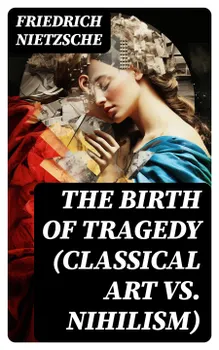
In "The Birth of Tragedy," Friedrich Nietzsche explores the profound interplay between the Apollonian and Dionysian elements of art, positing that the synthesis of these opposing forces gives rise to the true genius of Greek tragedy. With its rich stylistic tapestry, the work oscillates between philosophical discourse and poetic reflection, inviting readers to contemplate the aesthetic experience as a conduit for existential meaning. Nietzsche critiques the decline of art and culture in his contemporary society, linking it to a broader philosophical nihilism that he perceives as threatening the very foundations of Western civilization. Friedrich Nietzsche, a pivotal figure in 19th-century philosophy, grapples with the implications of art and culture against the backdrop of burgeoning nihilism and the crisis of European thought. His experiences in the shadow of Romanticism, combined with a deep engagement with ancient Greek culture, motivated him to articulate a vision that champions tragedy as an essential cultural expression. This work serves as both a celebration and a lamentation, offering glimpses into Nietzsche's complex relationship with art, beauty, and the human condition. This seminal text is essential for readers interested in philosophy, literature, and the evolution of Western thought. Nietzsche's provocative insights challenge us to rethink the role of art in confronting life's inherent pain and chaos, making "The Birth of Tragedy" a timeless exploration of the depths of human experience.
In this enriched edition, we have carefully created added value for your reading experience:
- A succinct Introduction situates the work's timeless appeal and themes.
- The Synopsis outlines the central plot, highlighting key developments without spoiling critical twists.
- A detailed Historical Context immerses you in the era's events and influences that shaped the writing.
- An Author Biography reveals milestones in the author's life, illuminating the personal insights behind the text.
- A thorough Analysis dissects symbols, motifs, and character arcs to unearth underlying meanings.
- Reflection questions prompt you to engage personally with the work's messages, connecting them to modern life.
- Hand‐picked Memorable Quotes shine a spotlight on moments of literary brilliance.
- Interactive footnotes clarify unusual references, historical allusions, and archaic phrases for an effortless, more informed read.