Über dieses Buch

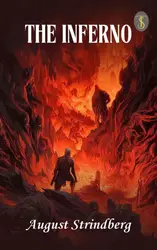
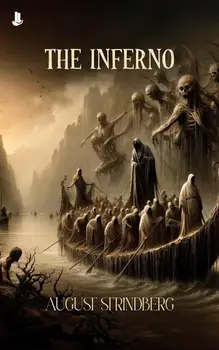
The Inferno by August Strindberg is a psychological novel that captures the author's descent into a personal and intellectual crisis, blending elements of autobiography, madness, and spiritual turmoil. First published in 1897, it is part of Strindberg's "Inferno period," a time in his life when he was experiencing a mental breakdown, which led to feelings of paranoia, delusion, and existential confusion.The novel is presented in the form of a journal, written by a narrator who is often thought to be Strindberg himself. The protagonist is a man deeply consumed by self-reflection and existential dread, grappling with his own fears, doubts, and a profound sense of alienation. Throughout the book, the narrator's mental state deteriorates, and he increasingly perceives the world as hostile, struggling with both personal and spiritual crises. Themes of religious anxiety, the search for meaning, and the clash between reason and emotion are explored in the text.At the heart of the novel is the narrator's belief that he is undergoing a form of divine punishment. He experiences episodes of paranoia, feeling pursued by both earthly and supernatural forces. He becomes convinced that he is being tested, suffering through a personal "inferno," akin to Dante's hell, but the narrative reveals that much of this torment is self-inflicted or rooted in his disturbed mind.The Inferno is a haunting exploration of the human condition, questioning the nature of reality, the limits of reason, and the possibility of redemption. The book is often considered a precursor to modern psychological fiction, anticipating many themes of existentialism, which would become more prominent in literature in the 20th century.
Starte noch heute mit diesem Buch für CHF 0

  • Hole dir während der Testphase vollen Zugriff auf alle Bücher in der App
  • Keine Verpflichtungen, jederzeit kündbar
Jetzt kostenlos testen
Mehr als 52 000 Menschen haben Nextory im App Store und auf Google Play 5 Sterne gegeben.

Mehr von August Strindberg

  1. Married : Stories of Modern Marriage

    August Strindberg

  2. Historical Miniatures : Scenes from the History of the West

    August Strindberg

  3. Die Gespenstersonate

    August Strindberg

  4. August Strindberg: Meisterwerke der Erzählkunst : Klassiker der Weltliteratur: Dramen und Erzählungen

    August Strindberg

  5. Dance of Death

    August Strindberg

  6. Fräulein Julie. Eine Tragödie. : Hörbuchzeit: Klassiker der Weltliteratur

    Hörbuchzeit, August Strindberg

  7. 100 Meisterwerke des Horrors - Klassiker, die man kennen muss : Gothic-Klassiker, viktorianischer Spuk und kosmische Albträume in einer großen Anthologie

    H.P. Lovecraft, Richard Marsh, E. T. Hoffmann, Bram Stoker, Edgar Allan Poe, Mary Shelley, Fjodor M Dostojewski, Hugh Walpole, Franz Kafka, Horace Walpole, Henry James, R. R. Ryan, James Malcolm Rymer, Prosper Mérimée, Wladyslaw Stanislaw Reymont, Algernon Blackwood, Ann Radcliffe, Marjorie Bowen, Robert W. Chambers, Gaston Leroux, Honoré de Balzac, Robert Louis Stevenson, Charlotte Perkins Gilman, H.G. Wells, Stanislaw Przybyszewski, Arthur Conan Doyle, Oscar Wilde, Octave Mirbeau, Emily Brontë, August Strindberg, Edith Wharton, H. Rider Haggard, Jodocus Temme

  8. 5.0

    100 Klassiker des Horrors : Gotischer Schrecken, Vampirgeschichten und kosmisches Grauen in unheimlichen Erzählungen

    Bram Stoker, H.P. Lovecraft, Mary Shelley, Edgar Allan Poe, Ann Radcliffe, Richard Marsh, Algernon Blackwood, Hugh Walpole, H.G. Wells, Emily Brontë, August Strindberg, Heinrich Seidel, Jodocus Temme, Stanislaw Przybyszewski, Felix Salten, H. Rider Haggard, Jane C. Loudon, Edith Wharton, Fjodor M Dostojewski, Wladyslaw Stanislaw Reymont, Marjorie Bowen, Robert W. Chambers, Gaston Leroux, Honoré de Balzac, Robert Louis Stevenson, Charlotte Perkins Gilman, Prosper Mérimée, Henry James

  9. The Red Room

    August Strindberg

  10. Fräulein Julie : Naturalistisches Trauerspiel

    August Strindberg

  11. Inferno und Legenden

    August Strindberg

  12. The Inferno

    August Strindberg